 Save
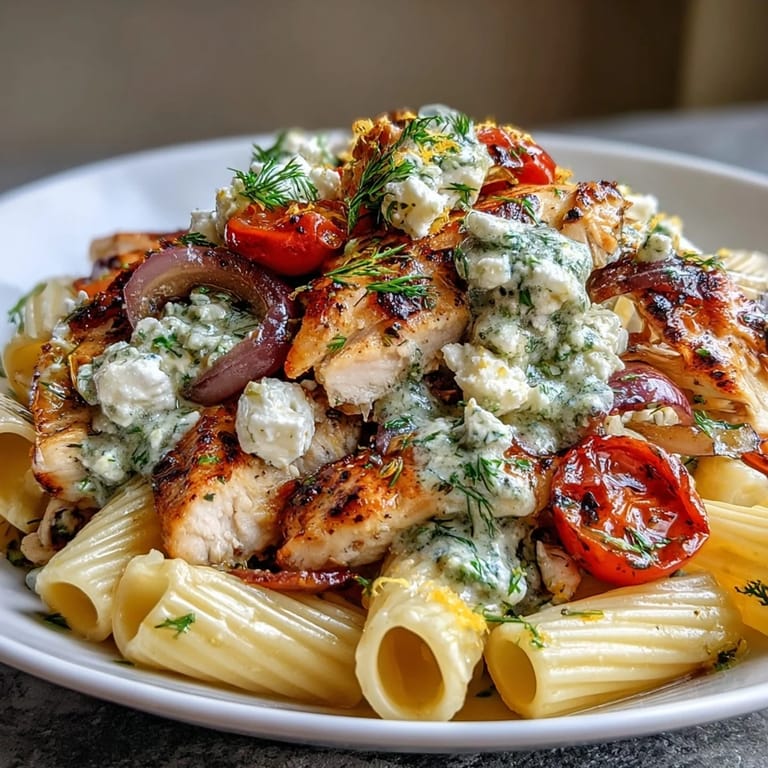
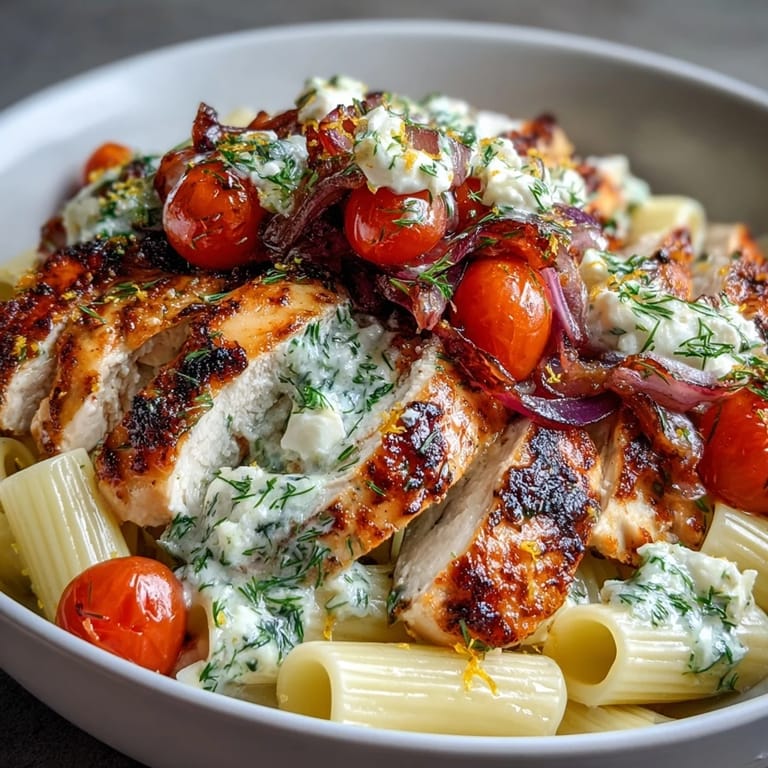
Save One Sunday afternoon, my neighbor stopped by with a handful of fresh dill from her garden, and I suddenly remembered a trip to a small taverna outside Athens where a bowl of creamy pasta with roasted garlic changed how I thought about simple cooking. That evening, I threw together what I had in the kitchen—chicken, a head of garlic, some feta—and this dish was born. It became the meal I make when I want to feel like I'm sitting by the Mediterranean without leaving home.
I made this for my sister's dinner party during a late spring evening when everyone wanted something that felt fresh but substantial. She kept asking if I'd added cream, surprised when I showed her there was none—just good olive oil, the starch from pasta water, and feta doing all the work. That's when I knew this recipe had something special.
Ingredients
- Boneless, skinless chicken breasts (2 large): The blank canvas for oregano and olive oil; pound them gently to even thickness if yours are particularly thick.
- Garlic head (1 large): Roasting mellows the garlic into something almost caramel-like and utterly spreadable—this is non-negotiable to the dish.
- Olive oil (1 tbsp for chicken, 1 tsp for garlic, 2 tbsp for sauce): Quality matters here since it's not hiding behind heavy cream or stock.
- Dried oregano (1 tsp): The anchor that whispers Mediterranean throughout every bite.
- Salt and black pepper: For the chicken rub, use flaky salt if you have it and freshly ground pepper—the difference is real.
- Short pasta, penne or rigatoni (350 g): Shape matters; tubes or ridges catch the sauce better than smooth pasta ever could.
- Red onion, finely chopped (1 small): It softens into something sweet when given time in the pan, balancing the dish's acidity.
- Cherry tomatoes, halved (200 g): They burst in the heat and concentrate into little pockets of flavor.
- Chicken broth (1/2 cup): Use homemade if you can; it makes the sauce feel more intentional.
- Feta cheese, crumbled (120 g): Add it off heat so it stays creamy rather than becoming stringy.
- Lemon zest (from 1 lemon) and fresh parsley and dill: These finish the dish with brightness and a reminder that fresh herbs are always worth the small effort.
Tired of Takeout? 🥡
Get 10 meals you can make faster than delivery arrives. Seriously.
One email. No spam. Unsubscribe anytime.
Instructions
- Prepare your garlic for roasting:
- Slice the papery top off your garlic head to expose the cloves, then cradle it in a small piece of foil and drizzle with just 1 teaspoon of olive oil. The oil will catch the heat and turn the garlic golden; you're not trying to fry it, just coax out its sweetness over thirty-five minutes.
- Season and roast the chicken:
- While the garlic gets comfortable in the oven, rub your chicken with olive oil and that oregano-salt-pepper mixture, letting your fingers do the work so every inch gets the seasoning. Pop it on a separate corner of the oven alongside the garlic; they'll finish at roughly the same time.
- Get your pasta water ready:
- In a large pot, bring salted water to a rolling boil—this is the secret seasoning for everything that follows. Cook pasta to just before fully tender, that al dente moment where it still has a tiny resistance; reserve a full half cup of that starchy water before draining.
- Build the base with onions and tomatoes:
- In a large skillet over medium heat, let your red onion soften slowly in 2 tablespoons of olive oil, taking about three minutes until it's translucent. Add those halved cherry tomatoes and let them blister and collapse for five minutes, stirring occasionally so they release their juice.
- Squeeze in the roasted garlic magic:
- When your garlic is soft and golden, squeeze each clove from its papery skin directly into the skillet—they'll slip out easily. Mash them gently with a wooden spoon until they break down into the tomatoes and onions, then add your chicken broth and let everything simmer gently for two minutes.
- Bring it all together:
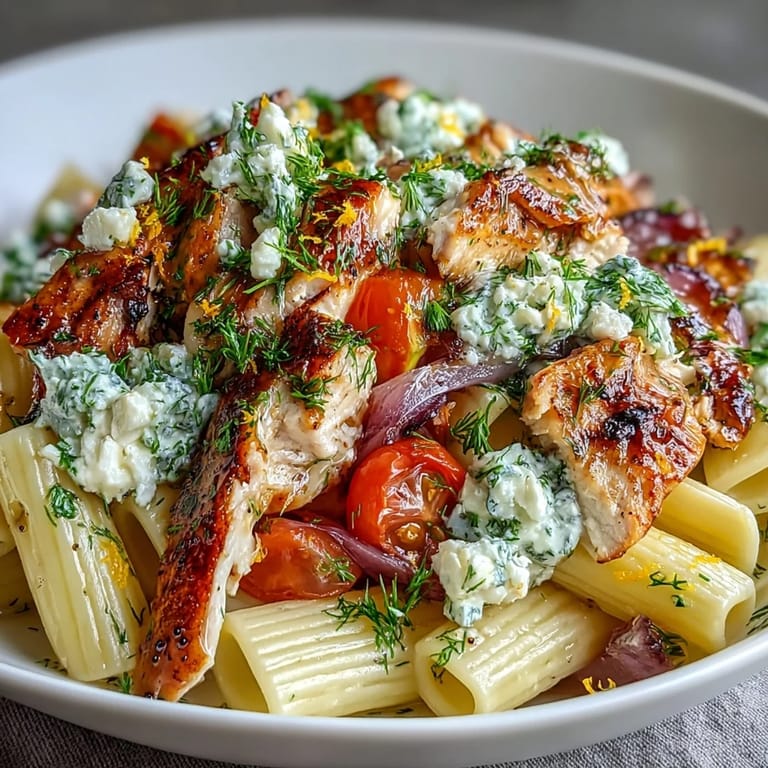
- Slice your rested chicken into thin strips and add it to the skillet along with your drained pasta, tossing everything to coat in that warm, garlicky tomato sauce. If it feels tight, splash in a little of that reserved pasta water—you want it to feel loose and silky.
- Finish with the cooling touch:
- Remove from heat and fold in your crumbled feta, lemon zest, parsley, and dill, letting the residual heat just warm them through without melting the cheese into strings. Taste and adjust pepper to your preference.
 Save
Save My daughter asked why this pasta tasted like a restaurant, and I realized it wasn't about technique or expensive ingredients—it was about treating each component with respect and letting them have their moment. That's when cooking stops being a task and becomes something worth talking about.
The Secret of Roasted Garlic
The first time I roasted garlic whole, I expected it to be sharp and intense, but instead I got something almost creamy and slightly sweet, like the garlic had decided to become something entirely different in the oven's heat. Now I roast garlic anytime I need to feel like a better cook than I was the day before. It's a small transformation that changes everything it touches.
Why Fresh Herbs Matter Here
Dried herbs got you through the chicken seasoning beautifully, but fresh dill and parsley are where you remember this dish isn't heavy or challenging—it's bright and alive. I keep these herbs in a glass of water in my fridge now, snipping them as needed and feeling slightly more intentional about my cooking. The cost is minimal; the difference is somehow enormous.
Making It Work for Your Kitchen
If you're short on time on a weeknight, rotisserie chicken skips the roasting step entirely while tasting nearly as good, though something is lost in the personalization. You can prep everything except the pasta in the morning, and your actual cooking time shrinks to maybe fifteen minutes once you're home. This dish forgives small shortcuts because its bones are strong.
- Pound your chicken breasts to an even half-inch thickness so they roast evenly without drying out on the edges.
- Don't skip reserving pasta water—it's free flavor you've already made and it transforms the sauce from good to transcendent.
- Taste before serving and adjust the lemon zest; you might want more brightness depending on your tomatoes.
 Save
Save This is the pasta I make when I want to feel transported without traveling, when I want to prove to myself that good food doesn't need to be complicated. Serve it with a crisp white wine and people will linger at your table longer than expected.
Recipe Guide
- → Can I use rotisserie chicken instead of roasting my own?
Yes, rotisserie chicken works perfectly for a quicker version. Simply shred or slice the pre-cooked chicken and add it during step 6 when combining everything in the skillet. You'll still want to roast the garlic separately for that essential sweet, mellow flavor.
- → What pasta shapes work best for this dish?
Short pasta shapes like penne, rigatoni, or fusilli catch the sauce and crumbled feta beautifully. The ridges and tubes hold onto the creamy garlic coating. If you only have long pasta like spaghetti or linguine, it will still work though the sauce distribution may be slightly different.
- → How do I know when the garlic is properly roasted?
The garlic is ready when the cloves are soft, golden-brown, and easily squeeze out of their skins. This typically takes 30-35 minutes at 200°C. The cloves should have a mellow, sweet flavor rather than sharp raw garlic taste. If they're still firm, give them another 5 minutes.
- → Can I make this dairy-free?
You can substitute feta with a dairy-free alternative or nutritional yeast for a cheesy, savory element. The roasted garlic and herbs provide plenty of flavor. You might also add a splash more olive oil or some chopped olives to maintain the rich, satisfying texture that feta normally provides.
- → What can I serve alongside this pasta?
A crisp green salad with cucumber, tomatoes, and a simple vinaigrette complements the richness. Grilled vegetables like zucchini or eggplant work well too. For a more traditional Greek spread, consider serving with warm pita bread and tzatziki sauce on the side.
- → How long will leftovers keep?
Leftovers store well in an airtight container in the refrigerator for 3-4 days. The pasta may absorb some sauce, so add a splash of water or broth when reheating. Reheat gently on the stove or in the microwave, stirring occasionally to redistribute the feta and garlic evenly.