 Save
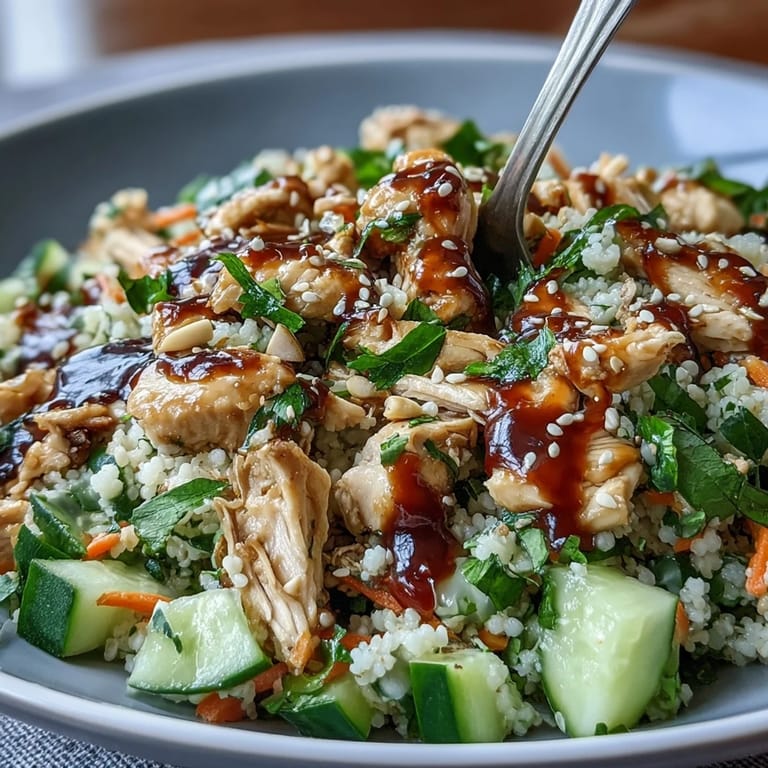
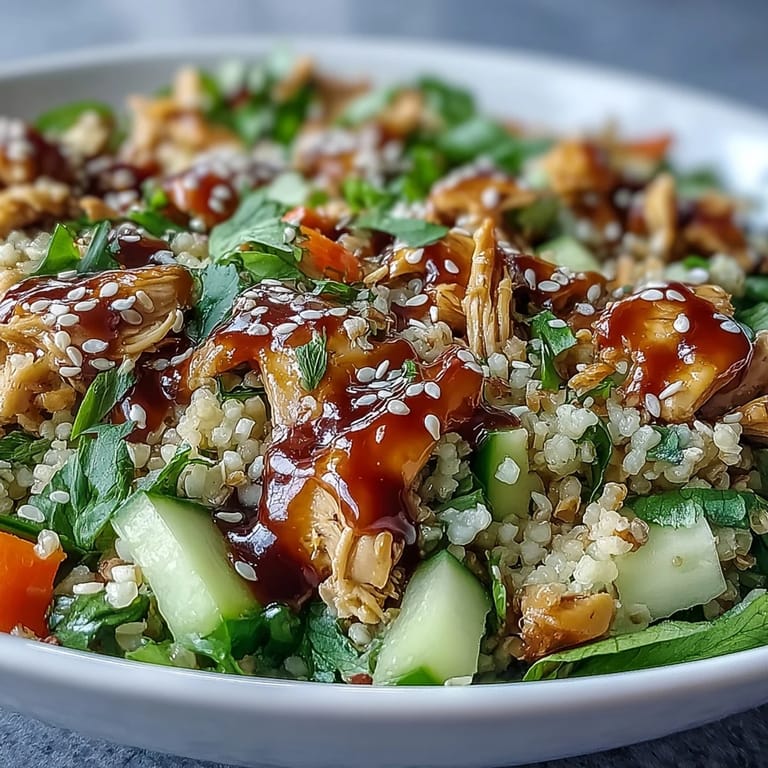
Save There's something about the smell of sesame oil hitting a warm bowl of couscous that instantly transports me to a bustling night market in some imaginary place I've never been. One Tuesday evening, I had leftovers scattered across my counter—rotisserie chicken, cucumber, fresh herbs—and instead of the usual grain bowl, I grabbed pearl couscous on a whim and whisked together a quick dressing that tasted unmistakably right. Twenty minutes later, my partner walked in asking what smelled so good, and I realized I'd stumbled onto something that felt both effortless and special.
I served this to friends on a warm summer evening, and watching them devour it with barely a pause between bites reminded me why I cook in the first place. One friend asked for the recipe halfway through her bowl, and another actually set down her fork to tell me the balance of flavors was perfect—not too heavy, not too light. It became the salad I started making constantly, the one people asked about, the one that proved quick food doesn't mean boring food.
Ingredients
- Pearl couscous: This isn't the fine, sand-like couscous you might be thinking of—it's larger, chewier, and holds up beautifully to dressing without turning mushy if you let it cool slightly first.
- Water and kosher salt: Use good water and don't skimp on salt here; it's your only seasoning for the base, so it matters.
- Rotisserie chicken: Buy the best quality you can find, preferably skinless, and shred it by hand rather than chopping for better texture that catches the dressing.
- Cucumber: If you cut it into half-moons instead of dicing, it stays crisper and looks more intentional on the plate.
- Shredded carrots: Use a box grater or buy pre-shredded if you're short on time; they add natural sweetness and a bright pop of color.
- Scallions and fresh herbs: Don't skip these—they're what transform couscous salad from simple to alive, so use them generously.
- Toasted sesame oil: This is non-negotiable; regular sesame oil tastes pale and flat by comparison, and a little goes a long way.
- Rice vinegar, honey, lime juice, ginger, and garlic: Each element plays a role in balancing the dressing, so measure rather than eyeball the first time you make it.
- Sriracha: Optional but recommended if you enjoy heat; even a teaspoon adds complexity without overpowering.
- Toasted sesame seeds: Toast them yourself in a dry pan for two minutes if you have time; the difference in flavor is remarkable.
Tired of Takeout? 🥡
Get 10 meals you can make faster than delivery arrives. Seriously.
One email. No spam. Unsubscribe anytime.
Instructions
- Bring water to a boil and cook the couscous:
- Pour two cups of water into a medium saucepan with half a teaspoon of kosher salt and bring it to a rolling boil—you'll hear it before you see it. Add the couscous, give it a quick stir, reduce the heat to medium-low, and let it simmer uncovered for eight to ten minutes, stirring occasionally so it doesn't stick to the bottom.
- Drain and cool slightly:
- Once the couscous is tender and the water has absorbed, tip it into a fine-mesh strainer and let any excess liquid drain away. Let it sit for a minute or two—warm couscous will absorb the dressing better than piping hot, and you'll avoid any clumping.
- Whisk the dressing together:
- In a small bowl, combine three tablespoons of soy sauce, two tablespoons of toasted sesame oil, one tablespoon each of rice vinegar and lime juice, one tablespoon of honey, one teaspoon of grated ginger, one minced garlic clove, and a teaspoon of Sriracha if you're using it. Whisk until the honey dissolves and everything is smooth and cohesive.
- Combine everything in a large bowl:
- Add the couscous, shredded chicken, diced cucumber, shredded carrots, sliced scallions, chopped cilantro, and mint if you're using it to a large mixing bowl. This is where you get to see all your colors come together, which never gets old.
- Toss with dressing and taste:
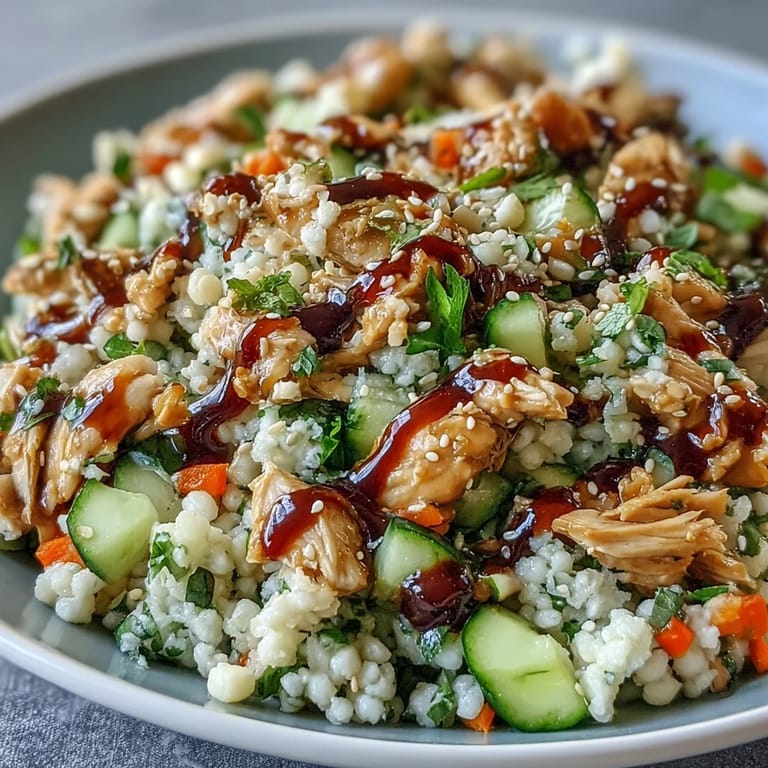
- Pour the sesame-soy dressing over everything and use tongs or a large spoon to toss until every grain is coated. Taste a bite and adjust—if it needs more brightness, add a squeeze of lime; if it needs depth, a few extra drops of soy sauce or sesame oil will do it.
- Serve with sesame seeds and lime wedges:
- Divide into bowls, sprinkle generously with toasted sesame seeds, and set lime wedges on the side so people can add their own tang if they like. The sesame seeds add a toasty crunch that makes the whole thing feel finished.
 Save
Save There was an afternoon when I made this for my mom, who'd been feeling under the weather, and she ate most of it sitting in the sunny corner of my kitchen. She looked up and said it tasted like someone had figured out exactly what her body needed—something fresh and nourishing but not fussy, with enough flavor to make eating feel like a pleasure again. That's when I understood this wasn't just a salad; it was something that could matter in small but real ways.
Why Pearl Couscous Changes Everything
Regular couscous is delicate and can turn to mush if you're not careful, but pearl couscous is forgiving and actually improves when it sits with dressing for a while. The larger granules mean you can prep this salad a few hours ahead and it won't fall apart—in fact, the flavors deepen and meld together more beautifully than if you eat it right away. I've left it in the fridge for lunch the next day and found it tasting even better, which is rare for a salad.
The Dressing Is Where the Magic Happens
I spent more time than I'd like to admit trying to get the dressing proportions right, and what I learned is that the interplay between salt (soy sauce), fat (sesame oil), acid (rice vinegar and lime juice), sweetness (honey), and heat (ginger, garlic, Sriracha) is what makes this taste like something you'd order at a restaurant. The ginger and garlic need to be fresh, not from a jar—they're the difference between a good dressing and one that tastes alive. If you taste it straight from the bowl before tossing it with the salad, you'll know immediately if the balance feels right to you.
Flexibility and Variations
The beauty of this salad is how easily it adapts to what's in your kitchen or what you're in the mood for. I've made it with shredded tofu for vegetarian friends, added snap peas for extra crunch, and once threw in some roasted cashews and nobody complained. The base is sturdy enough to handle additions, so use it as a starting point rather than a rigid formula.
- For protein variety, try cubed baked tofu, edamame, or even canned chickpeas if you're out of rotisserie chicken.
- Add red bell pepper, snap peas, shredded beets, or shredded cabbage if you want more color and texture contrast.
- The dressing works just as well spooned over leftover rice or as a dip for fresh vegetables if you want to stretch it further.
 Save
Save This salad has become my go-to when I want to feel accomplished without spending hours in the kitchen, and it never disappoints whether I'm eating it alone at my desk or serving it to people I want to impress. There's something deeply satisfying about a meal that's both quick and delicious, and this one delivers on both fronts.
Recipe Guide
- → Can I make this ahead of time?
Absolutely. Prepare the couscous and dressing separately up to 2 days in advance. Store them in airtight containers in the refrigerator. Toss everything together before serving, adding fresh herbs right before eating.
- → What protein alternatives work well?
Baked tofu cubes, edamame, or shredded rotisserie turkey make excellent vegetarian substitutions. Grilled shrimp or thinly sliced steak also pair beautifully with the sesame-soy flavors.
- → Is this suitable for gluten-free diets?
Simply swap regular pearl couscous for gluten-free Israeli couscous made from rice or corn, and use tamari instead of soy sauce. All other ingredients naturally fit gluten-free requirements.
- → How do I store leftovers?
Keep leftovers in an airtight container in the refrigerator for up to 3 days. The couscous absorbs dressing beautifully over time, so flavors actually improve. If serving cold, no reheating needed.
- → Can I adjust the spice level?
Control heat by adjusting Sriracha amount or substituting with sambal oelek for deeper chili flavor. For mild versions, omit entirely or add a pinch of red pepper flakes instead. The dressing base remains balanced regardless.
- → What vegetables can I add?
Red bell pepper, snap peas, shredded cabbage, or thinly sliced radishes add crunch and color. Avocado provides creaminess that complements the tangy dressing. Use what's in season or on hand.