 Save
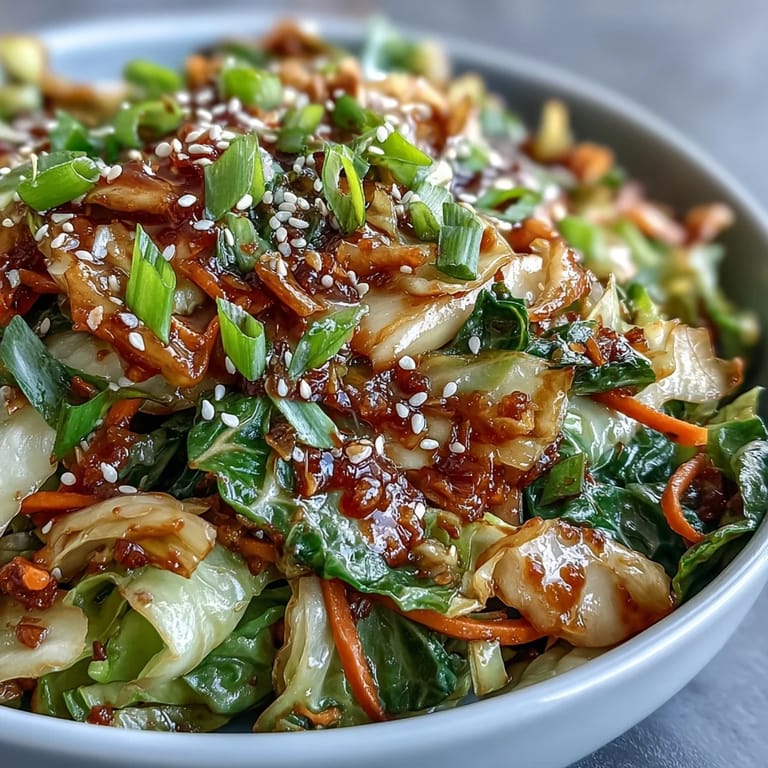
Save My neighbor once complained that her weeknight dinners felt predictable, so I tossed together whatever vegetables were lurking in her crisper drawer and doused them in a bold sauce that changed her mind entirely. She watched the cabbage transform from raw and squeaky to glossy and alive in minutes, and suddenly she understood why stir-fries became my secret weapon for turning ordinary Tuesday nights into something worth remembering. Hot and Sour Cabbage isn't complicated, but it moves fast and tastes like you actually tried, which is the best kind of kitchen magic.
I made this for a potluck once when I was running late and forgot to bring anything, so I grabbed a head of cabbage from my kitchen and arrived with a bowl of this that people actually fought over. Someone asked for the recipe before they'd even finished their first helping, which felt like validation that sometimes the simplest dishes are the ones that stick with people.
Ingredients
- Green cabbage (1 medium head, about 800 g), cored and thinly sliced: This is your canvas, and the thinner you slice it, the faster it cooks and the better it absorbs the sauce. I learned to use a sharp knife or mandoline here because rough cuts make the whole dish feel rushed.
- Carrot (1 medium), julienned: The carrot brings natural sweetness that balances the heat and adds a pleasing crunch that survives the cooking process if you don't baby it too much.
- Scallions (3), sliced diagonally: These go in twice—some during cooking for mellow flavor, and fresh ones at the end for a bright, peppery finish that reminds you this dish is alive.
- Garlic and ginger (2 cloves garlic, 1 tablespoon fresh ginger, both minced: These two are your flavor foundation, and blooming them in hot oil is non-negotiable if you want that intoxicating aroma that signals good things are about to happen.
- Soy sauce (2 tablespoons) or tamari for gluten-free: This provides the savory backbone, though I've learned to taste as I go because some soy sauces are saltier than others depending on the brand.
- Rice vinegar (2 tablespoons): The vinegar is what makes this dish actually taste sour and not just spicy, so don't skip it or substitute with regular vinegar, which will throw off the balance.
- Chili paste or chili garlic sauce (1 tablespoon): This is where the heat lives, and how much you use determines whether your friends will love you or require milk afterward.
- Sugar (1 teaspoon) and toasted sesame oil (1 teaspoon): The sugar mellows the heat without making anything sweet, while the sesame oil adds a toasty depth that elevates this from ordinary to memorable.
- Vegetable oil (2 tablespoons): A neutral oil here keeps the focus on the other flavors rather than introducing competing tastes.
- Black pepper and salt (1/2 teaspoon each): Final seasonings that you should taste and adjust because every ingredient you used has its own salt content.
- Toasted sesame seeds and extra scallions for garnish: These finishing touches add texture and a professional looking touch that makes it feel intentional.
Tired of Takeout? 🥡
Get 10 meals you can make faster than delivery arrives. Seriously.
One email. No spam. Unsubscribe anytime.
Instructions
- Build your sauce first:
- Whisk together soy sauce, rice vinegar, chili paste, sugar, and sesame oil in a small bowl and set it nearby. Having this ready means you won't scramble while vegetables are already heating up and demanding your attention.
- Get your oil shimmering:
- Heat vegetable oil in a large wok or skillet over medium-high heat until it seems almost too hot, then you know you're ready. If you add the garlic too early, it'll burn and turn bitter, so wait for that telltale shimmer.
- Bloom the aromatics:
- Add minced garlic and ginger, stirring constantly for about 30 seconds until the kitchen fills with that irresistible fragrance. This quick step is crucial because it releases all their volatile oils into the oil, which then coats every piece of cabbage.
- Let the cabbage and carrot have their moment:
- Toss in your sliced cabbage and julienned carrot, stirring frequently for 3 to 4 minutes until the edges just start to soften but the centers still have snap. The goal is tender-crisp, not wilted into submission, because that's what makes people reach for seconds.
- Introduce the sauce and finish strong:
- Pour in that reserved sauce mixture and toss everything to coat evenly, then let it cook for another 2 to 3 minutes so the flavors meld and the cabbage takes on that gorgeous gloss. Add your black pepper, salt, and most of the scallions in the last minute, stirring constantly.
- Plate and celebrate:
- Transfer to a serving dish and crown it with toasted sesame seeds and those reserved fresh scallions. Serve hot because this dish loses its magic once it cools down to room temperature.
 Save
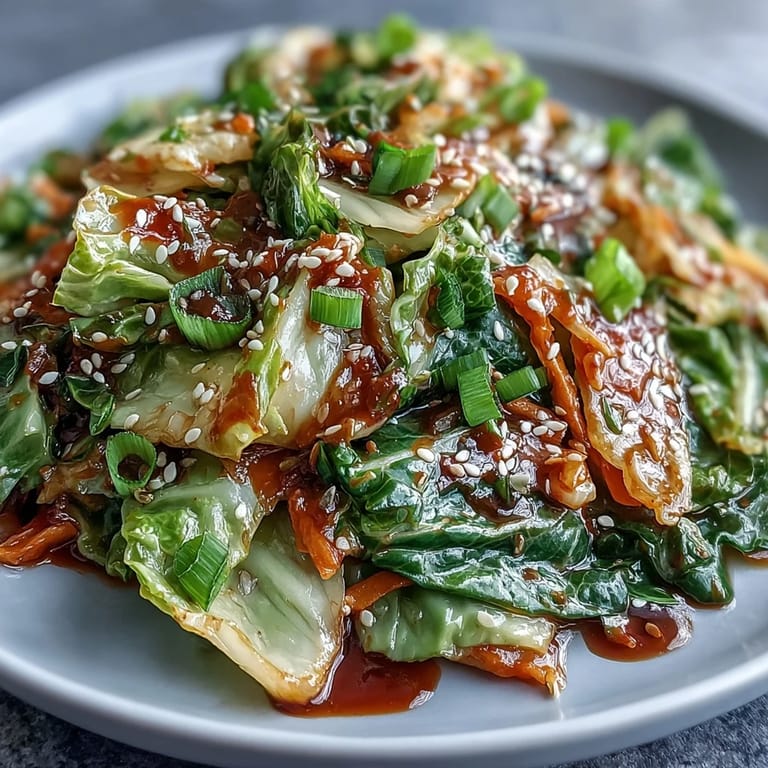
Save My kid, who claims to hate vegetables, once ate three bowls of this without complaining, which felt like a small parenting victory I replayed in my head for weeks. That's when I realized this dish wasn't just about balanced flavors—it was about making people feel something unexpected when they sat down to eat.
The Heat-to-Comfort Ratio
The beauty of hot and sour cabbage is how it walks the line between bold and accessible, which means you can dial it in for your crowd. I've made it gentle for people who think hot sauce is a threat and aggressive for friends who consider it a challenge, and it works both ways because the core flavors stay true either direction.
Why This Works as a Side Dish
This isn't one of those sides that disappears into the background of a meal—it actually stands up to and complements richer proteins without needing the main dish to be anything fancy. I've served it with simple steamed rice, roasted chicken, pan-seared tofu, and grilled fish, and each time it felt like it belonged there, not like an afterthought squeezed onto the plate.
Making It Your Own
The recipe as written is solid, but the real fun starts when you begin treating it as a template instead of a command. I've added sliced mushrooms on nights when I wanted earthiness, thrown in bell peppers for sweetness, and even swapped Napa cabbage when I wanted something more delicate, and every version felt intentional rather than like I was winging it.
- Add a teaspoon of chili oil or a pinch of red pepper flakes if you want heat that builds rather than hits immediately.
- Toss in cashews or peanuts at the very end for crunch that sticks around instead of disappearing into the sauce.
- A splash of lime juice right before serving brightens everything and adds a dimension that makes people ask what's different.
 Save
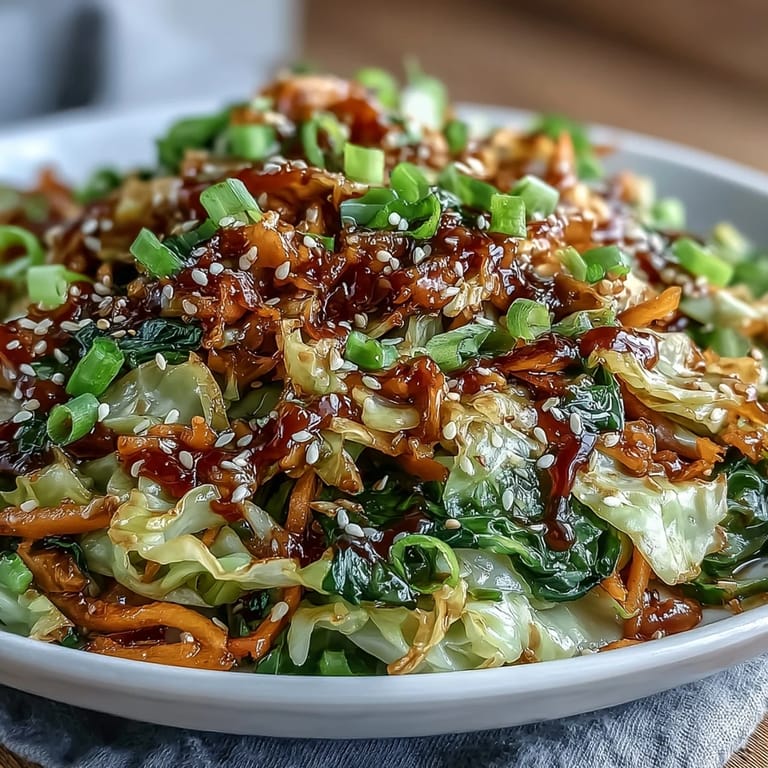
Save This dish proves that you don't need hours or complicated techniques to make something that tastes like you actually know what you're doing in the kitchen. Make it once, and it becomes the thing you turn to when you want to feel capable without the stress.
Recipe Guide
- → Can I make this dish less spicy?
Yes, simply reduce the amount of chili paste or omit it entirely. You can also use a milder chili sauce or add just a pinch of red pepper flakes for gentle warmth without overwhelming heat.
- → What type of cabbage works best?
Green cabbage is traditional and provides a hearty crunch, but Napa cabbage offers a milder, more delicate flavor and softer texture. Both work wonderfully depending on your preference.
- → How do I keep the cabbage from getting soggy?
Cook over high heat and avoid overcrowding the wok. Stir-fry quickly so the cabbage wilts slightly but retains its crisp-tender texture. Don't add the sauce until the vegetables are nearly done.
- → Can I prepare the sauce in advance?
Absolutely. Mix the sauce ingredients together and store in an airtight container in the refrigerator for up to 3 days. This makes weeknight cooking even faster.
- → What can I serve this with?
This pairs beautifully with steamed jasmine or brown rice, fried rice, grilled chicken, tofu, or as part of a larger Chinese-inspired meal with dumplings or noodles.
- → How should I store leftovers?
Store in an airtight container in the refrigerator for up to 3 days. Reheat in a hot skillet or wok to restore some of the crispness, though the texture will soften slightly when reheated.