 Save
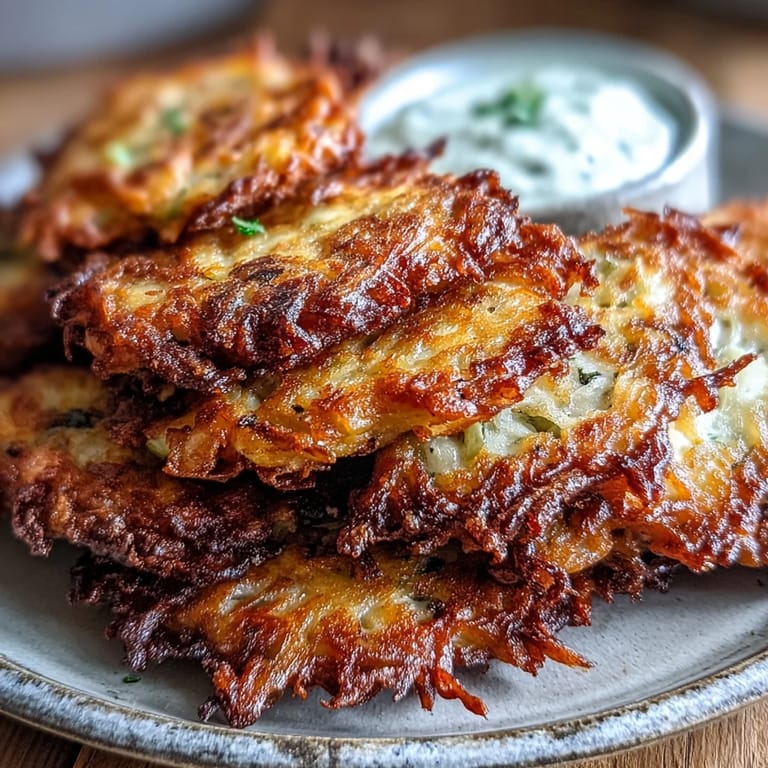
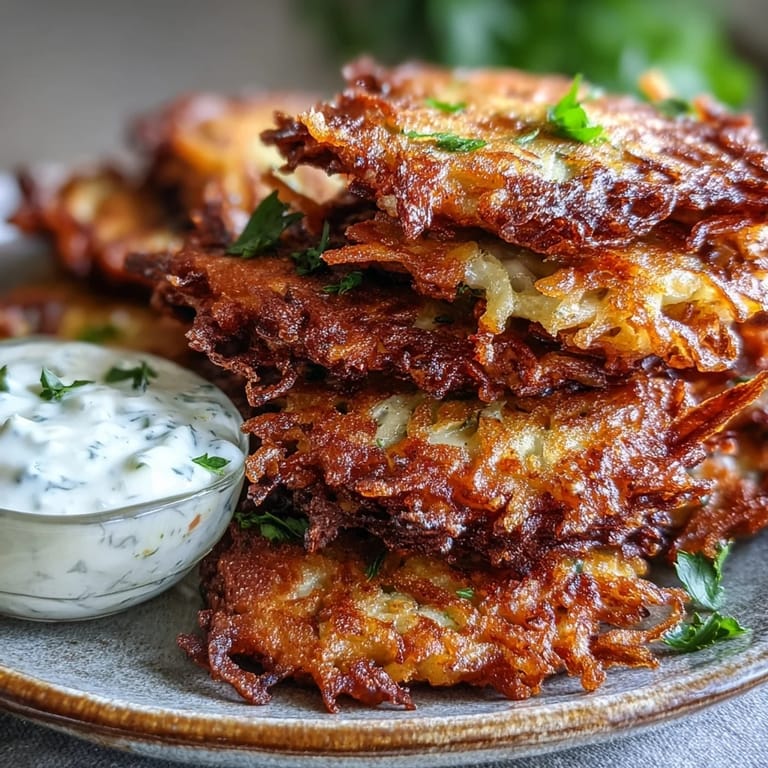
Save My neighbor dropped by unannounced one afternoon with a bag of just-picked cabbage from her garden, and I had maybe twenty minutes to turn it into something impressive. I'd never made fritters before, but something about the crisp leaves and her hopeful smile pushed me to improvise. What came out of that skillet was pure magic—golden, crunchy on the outside, and somehow tender within. Now whenever I see cabbage at the market, I think of that spontaneous afternoon and how the simplest ingredients can create something unforgettable.
I served these at a casual dinner party last spring, and watching my friends reach for a third and fourth fritter without even thinking about it felt like a small victory. One guest asked if I'd fried them in butter because they were so flavorful, and I loved that she assumed they came from restaurant-level technique rather than just understanding when the oil temperature was right. That moment taught me that good food doesn't need to be complicated—it just needs intention.
Ingredients
- Finely shredded green cabbage (3 cups): Use a box grater or food processor to keep the pieces uniform, which helps them bind together better and cook evenly throughout the fritter.
- Grated carrot (1 medium): The natural sweetness balances the earthiness of cabbage and adds moisture, plus it makes the color more visually interesting.
- Spring onions (2), finely sliced: Both the white and green parts matter here—the white brings mild onion flavor while the green adds a fresh, delicate note.
- Large eggs (2): These are your binding agent, so don't skip them or try to substitute unless you know what you're doing with egg replacers.
- All-purpose flour (1/2 cup): This creates structure, though you can use gluten-free blends if needed without much fuss.
- Cornstarch (1/4 cup): This is the secret to extra crispiness—it creates a lighter, crunchier crust than flour alone ever could.
- Baking powder (1/2 tsp): A small amount helps the fritters puff up slightly and become less dense inside.
- Salt and black pepper (1/2 tsp and 1/4 tsp): Season generously because vegetables absorb salt, and under-seasoned fritters taste flat no matter how crispy they are.
- Garlic powder (1/2 tsp): Ground garlic distributes more evenly than minced fresh garlic would and doesn't scorch as easily in the hot oil.
- Smoked paprika (1/2 tsp, optional): This adds a subtle depth that reminds people of cozy kitchen moments even if they can't quite name it.
- Fresh parsley (2 tbsp chopped): The herbaceous quality lifts the entire dish and adds a pop of color.
- Milk (1/3 cup): This loosens the batter just enough so it holds together without being gluey.
- Vegetable oil, for frying: Use an oil with a high smoke point like canola, vegetable, or peanut oil—never olive oil for this.
- Plain Greek yogurt (1/3 cup for sauce): Thicker than regular yogurt, it creates a substantial base that's tangy without being harsh.
- Mayonnaise (2 tbsp for sauce): This adds richness and helps emulsify everything into a smooth, cohesive dip.
- Lemon juice (1 tbsp for sauce): Freshly squeezed makes a difference—bottled juice tastes a bit dusty by comparison.
- Dijon mustard (1 tsp for sauce): A small amount brings complexity without making the sauce taste like mustard.
- Honey (1/2 tsp for sauce): Just a touch balances the tanginess and rounds out the flavors.
- Garlic clove (1 small, minced for sauce): Minced fresh is worth it here since the sauce isn't cooked, so the garlic flavor comes through bright and clean.
Tired of Takeout? 🥡
Get 10 meals you can make faster than delivery arrives. Seriously.
One email. No spam. Unsubscribe anytime.
Instructions
- Prep and combine your vegetables:
- In a large bowl, toss together the shredded cabbage, grated carrot, and sliced spring onions until they're evenly distributed. This prevents clumpy pockets of one vegetable and ensures every fritter tastes balanced.
- Make your wet base:
- In a separate bowl, whisk the eggs with milk, then add salt, pepper, garlic powder, smoked paprika, and parsley. Whisking the eggs and milk first helps distribute the spices evenly rather than having them clump together.
- Combine dry ingredients:
- Sift the flour, cornstarch, and baking powder together into the wet mixture, stirring just until smooth. Don't overmix—lumps are actually fine and will disappear when they hit the hot oil.
- Fold in the vegetables:
- Add the cabbage mixture to the batter and gently fold until every piece is coated. The batter should look thick and textured, not smooth like pancake batter.
- Heat your oil properly:
- Pour 1/4 inch of vegetable oil into a large skillet and set it over medium heat. Let it heat for about two minutes until a small piece of batter dropped in sizzles immediately but doesn't brown in ten seconds.
- Form and fry each batch:
- Scoop roughly 2 tablespoons of batter per fritter and gently press it into a patty about 1/3 inch thick using the back of your spoon. Fry in batches without crowding—3 to 4 minutes per side until the edges turn deep golden brown and the centers feel set when you press them gently with the spatula.
- Drain and rest:
- Transfer finished fritters to paper towels and let them sit for a minute so excess oil drains away. They'll stay crispy better if you don't stack them while they're still hot.
- Prepare the dipping sauce:
- While the fritters cook, whisk together yogurt, mayonnaise, lemon juice, Dijon mustard, and honey in a small bowl. Fold in the minced garlic, then taste and adjust salt and pepper—remember that the warm fritters might tempt people to use more sauce, so make it taste good.
- Serve and enjoy:
- Arrange warm fritters on a plate and serve the dipping sauce alongside or in a small bowl for dipping. They're best eaten immediately, but they're honestly still good at room temperature an hour later.
 Save
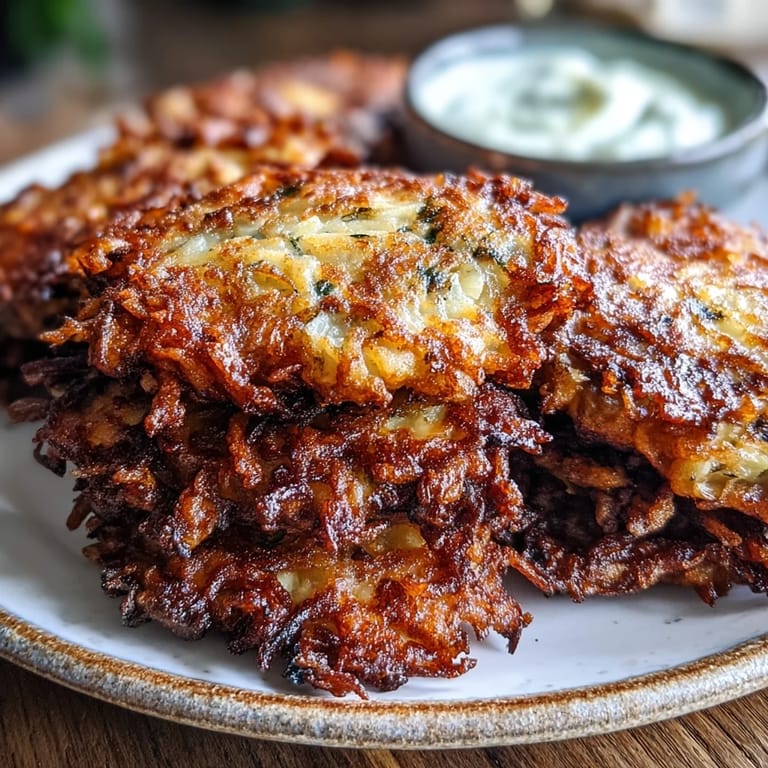
Save There's something almost meditative about standing at the stove, watching these little golden discs bubble and crisp at the edges while the kitchen fills with the smell of caramelizing vegetables. A friend once told me she made these for her picky kid who suddenly started eating vegetables without complaint, and I realized these fritters have a way of making people forget they're eating something good for them. That's the kind of recipe worth keeping close.
The Secret to Crispiness
The cornstarch is non-negotiable if you want that shatter-when-you-bite-it texture. I learned this the hard way by making these with only flour and getting something closer to a dense pancake. The cornstarch creates a lighter, more delicate crust that stays crispy even as the fritter cools slightly. It's a small thing, but it's the difference between a fritter people eat because it's there and one they actively reach for.
Why Your Oil Temperature Actually Matters
I spent years thinking oil temperature was something professional cooks worried about, not home cooks like me. Then I finally grabbed a kitchen thermometer and aimed for 350 degrees Fahrenheit, and suddenly everything changed. Too cool and you get soggy fritters that taste heavy; too hot and the outside burns while the inside stays raw. Once you find that sweet spot, you'll taste the difference immediately, and you'll stop guessing.
Making These Work For Different Occasions
These fritters are endlessly flexible—I've served them as appetizers at dinner parties, packed them in lunchboxes for next-day snacking, and even plated them on a bed of greens as a vegetarian main course. The dipping sauce transforms them depending on what you add: a pinch of smoked paprika makes them feel sophisticated, a dash of hot sauce turns them casual and fun, and fresh herbs stirred in at the last moment make them taste garden-fresh. You can also double the recipe and freeze extras in an airtight container for up to two weeks, then reheat them in a 375-degree oven for five minutes to restore most of the crispness.
- Try adding a handful of panko breadcrumbs to the batter for even more crunch.
- Make the sauce ahead and let the flavors meld in the fridge while you cook the fritters.
- Store leftover sauce separately from leftover fritters so the fritters don't get soggy.
 Save
Save These cabbage fritters have become my go-to when I want to feel like I've cooked something special without spending hours in the kitchen. They're proof that sometimes the best dishes come from having limited ingredients and a little confidence.
Recipe Guide
- → Can I make these fritters ahead of time?
Yes, you can prepare the batter up to 2 hours in advance and refrigerate it. For best results, fry them just before serving to maintain crispiness. Leftover cooked fritters can be reheated in the oven at 375°F for 5-7 minutes.
- → What oil is best for frying these fritters?
Vegetable oil, canola oil, or sunflower oil work best due to their high smoke points and neutral flavor. Avoid olive oil as it may burn at the required frying temperature.
- → Can I bake these instead of frying?
Yes, you can bake them at 400°F for 20-25 minutes, flipping halfway through. Brush with oil before baking for a crispier texture, though they won't be quite as crispy as fried versions.
- → How do I keep the fritters from falling apart?
Ensure your batter is thick enough to hold the vegetables together. If it seems too thin, add a tablespoon more flour. Also, don't flip them too early—wait until the edges are golden and set before turning.
- → What can I substitute for the dipping sauce?
Try sweet chili sauce, sriracha mayo, tzatziki, or a simple soy-ginger dipping sauce. You can also serve with ketchup or any creamy herb-based dressing you prefer.
- → Can I use different vegetables in these fritters?
Absolutely! Zucchini, broccoli, cauliflower, or sweet potato work wonderfully. Just ensure any vegetables with high water content are squeezed dry before mixing into the batter.