 Save
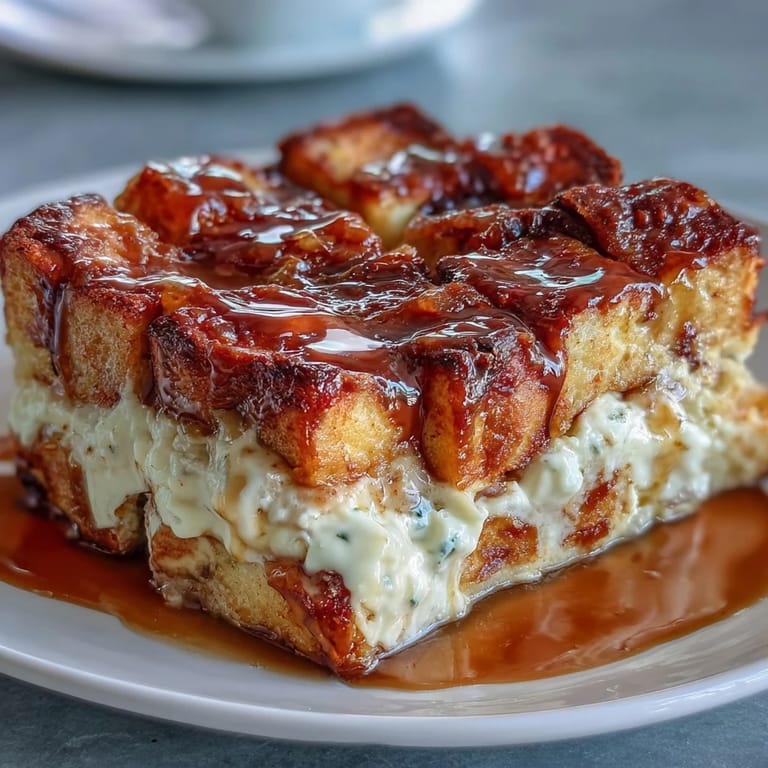
Save My neighbor knocked on my door at 7 AM on a Saturday with a frantic energy I'd never seen before—she was hosting brunch for twelve people and her planned casserole had somehow failed the night before. Standing in her kitchen, we threw together this caramel cream cheese French toast casserole from what we had on hand, and honestly, it turned out so spectacular that her guests asked for the recipe before they'd even finished their coffee. That morning taught me that the best dishes often come from a little kitchen chaos and the willingness to layer flavors generously.
I made this for my sister's post-wedding brunch, watching her face light up when she tasted that first forkful—the caramel running through layers of custardy brioche, the cream cheese adding this subtle tang that kept it from being too sweet. Her new husband asked for seconds immediately, and there's something deeply satisfying about feeding people something this delicious when they're already happy.
Ingredients
- Brioche or challah bread (about 500 g), cut into 1-inch cubes: The richness of brioche soaks up the custard beautifully without falling apart, creating this perfect tender-yet-structured texture that makes each bite satisfying.
- Cream cheese (225 g), softened: I learned early on that softening this at room temperature prevents lumps and makes it blend smoothly into the mixture, so plan ahead.
- Whole milk and heavy cream (1 cup each): This combination creates a custard that's silky without being heavy, and the ratio matters more than you'd think.
- Eggs (5 large): These are what set the casserole, so fresh eggs make a noticeable difference in texture.
- Unsalted butter (60 g), melted: Melted butter distributes evenly throughout the custard, ensuring every layer stays moist.
- Granulated sugar (150 g) and brown sugar (100 g): The brown sugar adds molasses depth while granulated sugar keeps it from being cloying.
- Vanilla extract (2 tsp) and cinnamon (½ tsp): These warm spices echo caramel's natural sweetness without overwhelming the dish.
- Salt (¼ tsp): A small amount awakens all the other flavors and prevents the dish from tasting one-dimensional.
- Caramel sauce (1 cup): Store-bought works wonderfully, but homemade caramel brings a buttery depth that feels special.
Tired of Takeout? 🥡
Get 10 meals you can make faster than delivery arrives. Seriously.
One email. No spam. Unsubscribe anytime.
Instructions
- Set up your stage:
- Butter or spray your 9 x 13 baking dish generously so nothing sticks to the sides as the custard bakes. I always do this step first so I'm not hunting for supplies while juggling wet ingredients.
- Build the first bread layer:
- Spread half your brioche cubes evenly across the bottom of the dish, filling gaps so you have a solid foundation that'll distribute the custard evenly.
- Prepare the cream cheese mixture:
- Beat softened cream cheese with ¼ cup granulated sugar and 1 tsp vanilla until it's completely smooth and creamy with no lumps visible. This usually takes just a minute with a mixer, and you'll notice the color lightens slightly as air incorporates.
- Add cream cheese dollops:
- Spoon the cream cheese mixture over the bread in irregular dollops—don't spread it flat, let the bread cubes cradle it so you get pockets of rich creaminess throughout.
- Drizzle the first caramel layer:
- Pour half your caramel sauce over the bread and cream cheese, letting it pool in the spaces and soak into the bread. You'll notice it starting to adhere to everything, binding flavors together.
- Top with remaining bread:
- Add your second half of bread cubes, creating another layer that'll give structure and texture contrast to each serving.
- Make the custard mixture:
- In a large bowl, whisk eggs with milk, cream, melted butter, remaining sugars, vanilla, cinnamon, and salt until completely combined and the mixture is a pale golden color. Take your time whisking—this is what transforms the whole dish from just bread to something custardy and luxurious.
- Pour and soak:
- Pour the custard mixture evenly over all the layers, then gently press down with a spatula so the bread absorbs as much liquid as possible. You might think you're being too aggressive, but the bread can handle it and needs to really drink in that custard.
- Chill overnight:
- Cover the dish tightly with plastic wrap or foil and refrigerate for at least 8 hours, though 12 hours is even better. This wait time is when the magic happens—bread hydrates, flavors meld, and everything becomes cohesive.
- Bake to golden perfection:
- Preheat your oven to 350°F while the casserole comes to room temperature for about 15 minutes. Bake uncovered for 40-45 minutes until the top is golden brown and a knife inserted in the center comes out clean or with just a few moist crumbs.
- Finish with caramel drizzle:
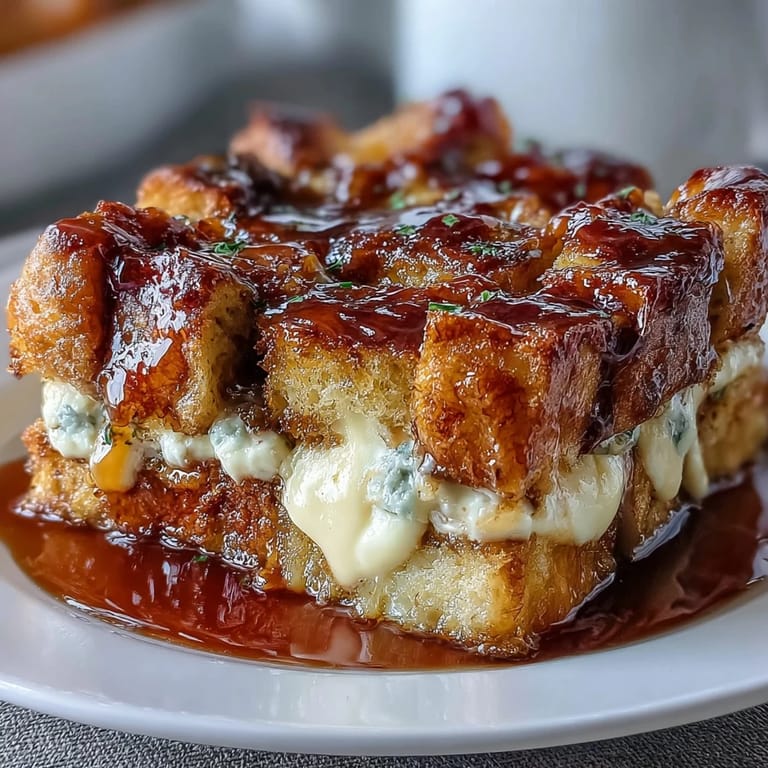
- While the casserole rests for 5 minutes, warm your remaining caramel sauce until it's pourable, then drizzle it generously over the top. The heat from the casserole will soften the top layer slightly, creating this gorgeous glossy finish.
 Save
Save The most memorable moment with this casserole came when my 8-year-old nephew, who usually pushes his plate away after two bites, sat there quietly eating it with complete focus, then asked if he could have it for his birthday breakfast. Watching a kid find that kind of joy in food you made yourself—that's when you realize a recipe is more than just instructions.
Getting Ahead and Timing
This casserole is specifically designed for people who want to impress without the morning chaos, so it rewards planning. You can assemble it up to 24 hours before baking, which means you could prep it on Friday evening and bake it Saturday morning without rushing. I've also found that if you need to bake it immediately (skipping the overnight chill), it still works, just won't be quite as custardy—it'll be more like a bread pudding texture, which is still delicious, just slightly different.
Customizing for Your Taste
The beauty of this casserole is how forgiving it is to changes, so adapt it without worry. I've made it with pecans scattered across the cream cheese layer before baking, which adds a nutty crunch that really complements the caramel, and I've added a quarter teaspoon of nutmeg to the custard mixture on autumn mornings when I wanted something more warming. Some people swear by drizzling a little maple syrup on top instead of caramel, or stirring espresso powder into the custard for a mocha twist—the custard base is stable enough to support these variations.
Serving and Storing Wisdom
Serve this casserole warm straight from the oven, and consider having fresh berries, whipped cream, or even a drizzle of maple syrup on the side for people who want to build their own perfect bite. Leftovers reheat beautifully in a 325°F oven for about 15 minutes, covered loosely with foil so they warm through without drying out, and you can also microwave individual portions for a quick breakfast when you're rushing—it'll take about 45 seconds and taste almost as good as fresh.
- Fresh berries or a dollop of whipped cream transforms each bite into something that feels elegant.
- This dish tastes better on day two than day one, making it perfect for leftover mornings.
- You can freeze baked portions for up to a month, then reheat gently whenever you want a taste of weekend luxury.
 Save
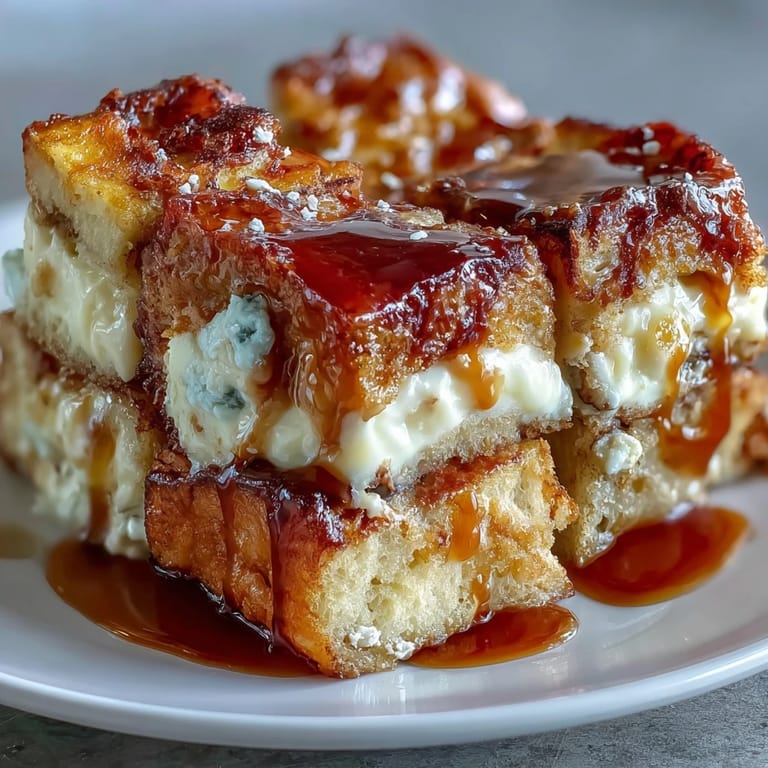
Save This casserole is the dish I reach for when I want people to feel cared for without spending my entire morning in the kitchen. Make it once and you'll understand why it's become my go-to for every brunch, holiday breakfast, and celebration that needs something special.
Recipe Guide
- → Can I use different bread instead of brioche?
Yes, challah works beautifully as a direct substitute. You can also use thick-cut white bread, French bread, or even cinnamon bread for added flavor. Avoid very dense breads as they may not absorb the custard properly.
- → How long should I refrigerate the casserole?
The minimum refrigeration time is 8 hours, but overnight (12-24 hours) yields the best results. This allows the bread to fully absorb the custard and develop that perfect pudding-like texture throughout.
- → Can I freeze this casserole?
You can freeze the assembled, unbaked casserole for up to 3 months. Thaw overnight in the refrigerator before baking. For best results, add the caramel drizzle after baking rather than before freezing.
- → Why is my casserole soggy in the middle?
This usually means it needs more baking time. Check for doneness by inserting a knife in the center—it should come out clean, not wet. If the top is browning too quickly, cover with foil and continue baking until set.
- → Can I make homemade caramel sauce?
Absolutely. Melt 1 cup sugar with 6 tablespoons butter and 1/2 cup heavy cream over medium heat, stirring constantly until smooth. Let cool slightly before drizzling. Homemade sauce typically has a richer, more complex flavor.