 Save
Save There's something magical about watching someone's face light up when they realize they're cooking their own dinner right at the table. My sister brought home a mini hot pot set from a trip to Tokyo, and I was skeptical until that first night when our whole family huddled around steaming bowls, chopsticks poised, debating whether the shrimp was done yet. That chaotic, laughter-filled meal changed how I think about feeding people, and now these individual hot pots are my secret weapon for making dinner feel like an event instead of just another Tuesday.
I made these for my coworkers during a potluck, and honestly, I was nervous about bringing raw proteins and asking people to cook their own food at the office. But watching everyone lean over their little bowls, passing platters back and forth, asking each other questions about cooking times—it became this beautiful moment of connection that a casserole would never have created. One person even asked for the recipe that same day.
Ingredients
- Low-sodium chicken or vegetable broth (6 cups): This is your foundation, so don't skimp on quality—a good broth tastes clean and lets other flavors shine through, not masked by salt.
- Soy sauce (2 tablespoons): Choose one you actually enjoy drinking straight because you'll taste it clearly here, and it's what carries so much of the umami.
- Miso paste (1 tablespoon): The secret depth that makes people ask what's different, even though they can't quite name it.
- Fresh garlic and ginger (2 cloves and 1-inch piece): Slicing them rather than mincing means they infuse gently without becoming harsh, and you can fish them out if anyone prefers.
- Sesame oil (1 teaspoon): Use the darker kind, just a whisper of it, because a little goes a long way and too much tastes medicinal.
- Thinly sliced beef sirloin, boneless chicken breast, firm tofu, or large shrimp: Thickness matters—I learned this the hard way when someone's chicken turned to mush—aim for pencil-thin so everything cooks evenly in those 1–4 minutes.
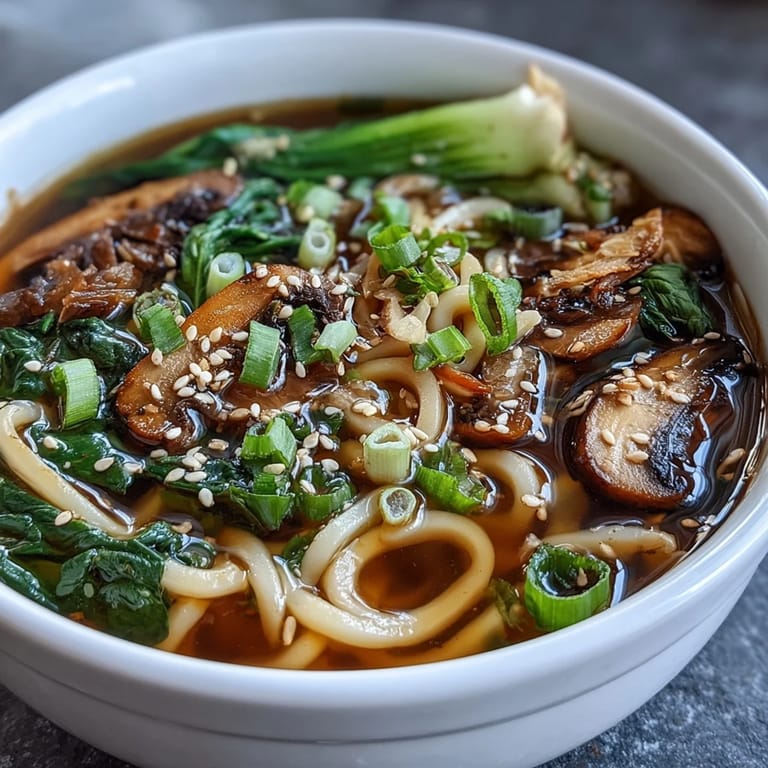
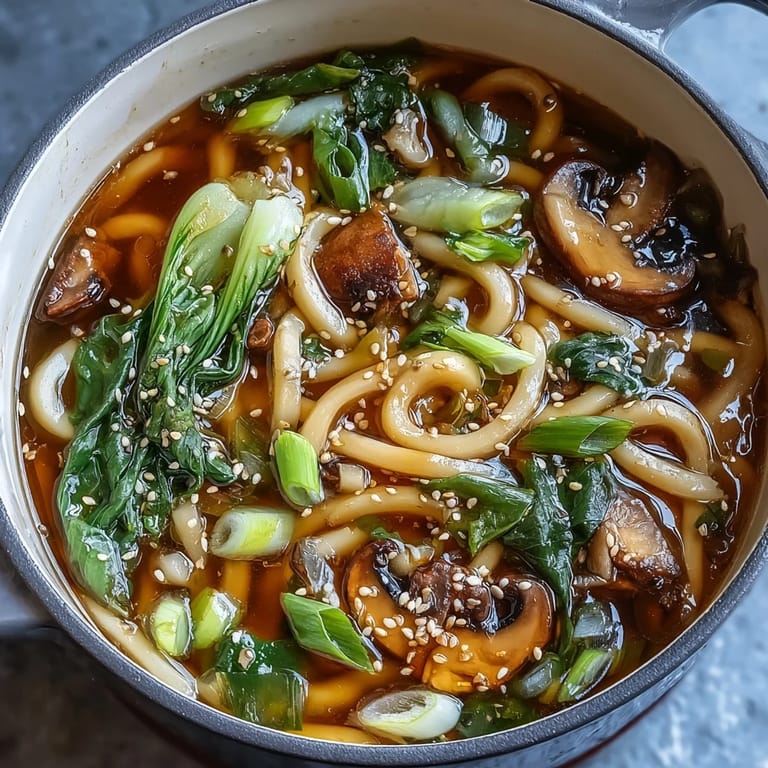
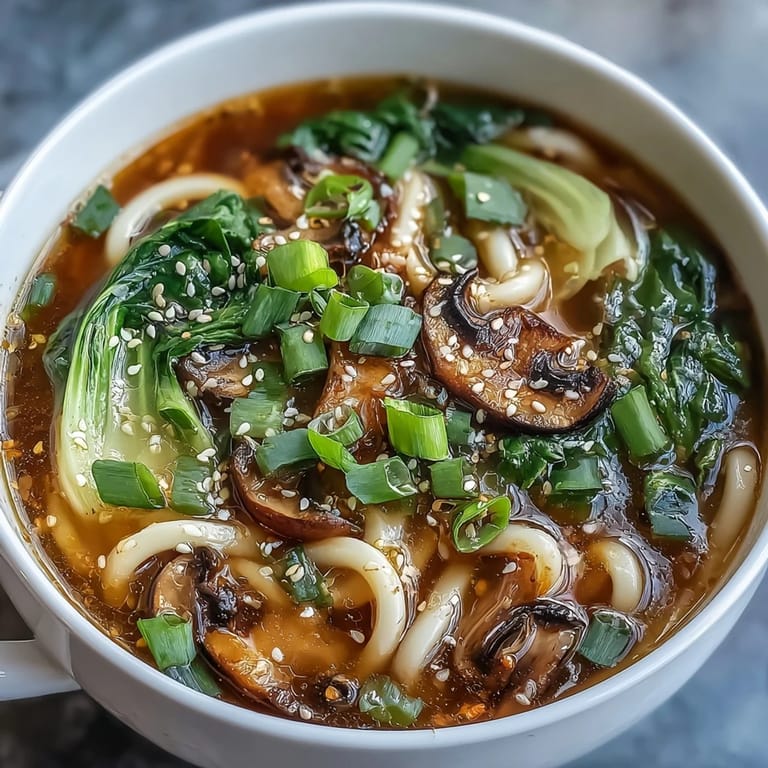
- Udon or rice noodles (200 g, cooked and drained): Cook them just shy of fully tender since they'll soften more in the hot broth, and please drain them well or they'll water down everyone's bowls.
- Baby bok choy, shiitake mushrooms, napa cabbage, carrots, corn, and scallions: Prepare everything the night before so you can actually enjoy your guests instead of frantically chopping while broth simmers.
- Soy sauce, chili oil, fresh cilantro, lime wedges, and toasted sesame seeds: These finishing touches let people build their own flavor story, so set them out generously in small bowls.
Tired of Takeout? 🥡
Get 10 meals you can make faster than delivery arrives. Seriously.
One email. No spam. Unsubscribe anytime.
Instructions
- Infuse the broth:
- Combine all broth ingredients in a large pot and let them simmer together for 10 minutes—you'll actually smell when it's ready, a fragrant wave of garlic and ginger that fills the kitchen. Straining is optional; I often leave the solids in for flavor, but some guests prefer clarity.
- Divide the noodles:
- Place cooked noodles into each of your four heatproof bowls, splitting them evenly so no one feels short-changed. This feels like a small thing, but equal portions set the tone for a smooth, happy meal.
- Arrange proteins and vegetables:
- Set everything on platters or a board in the center—think of it like a sushi platter layout where people can easily reach and choose. I arrange by protein first, then vegetables, which somehow makes the whole spread feel more organized.
- Pour and position:
- Carefully ladle hot broth into each bowl until it reaches about two-thirds full, then set each bowl on its portable burner at the table. The broth should stay at a gentle simmer, not a rolling boil, so everyone has time to cook without things turning to paste.
- Let guests customize and cook:
- Now you step back and let the magic happen—people add what they want, cooking beef and shrimp for 1–2 minutes, chicken a bit longer at 2–4 minutes, and vegetables until they're tender. Watch the room come alive as everyone becomes their own chef, tasting and adjusting as they go.
- Serve with dipping sauces and garnishes:
- Have soy sauce, chili oil, cilantro, lime, and sesame seeds within arm's reach so people can tweak their flavors endlessly. This is where personalities emerge—some squeeze lime into everything, others go heavy on chili oil, and watching those choices is almost as fun as eating.
 Save
Save The moment that made me truly understand this dish happened when my eight-year-old nephew, who refuses most vegetables, asked for seconds of bok choy he'd cooked himself. Something about having control over the cooking made him braver, more curious, and suddenly a picky eater became an experimenter. That's when I realized these mini hot pots aren't just about food—they're about giving people agency and permission to play.
Making It Vegetarian and Allergy-Friendly
Swap vegetable broth for chicken, and suddenly this meal welcomes vegetarians without requiring a separate cooking station. For gluten-free guests, use tamari instead of soy sauce and rice noodles if you haven't already chosen them—though honestly, I always make rice noodles my default now because they're tender and slightly sweet, which everyone gravitates toward.
The Setup Matters More Than You Think
I spent my first attempt stressing about portable burners and special bowls, but you don't actually need fancy equipment. Small heatproof ceramic bowls and even carefully placed sterno cans work beautifully, and honestly, the simplicity sometimes feels more charming than the fanciest setup.
Building Flavor Depth and Cooking Timing
The real art here is creating a broth that tastes complete on its own but still has room for people to make it their own through dipping sauces. I learned to taste it before guests arrive and adjust the miso slightly if it feels flat, because once the meal begins, there's no going back to fix it quietly. One more thing: warn people that proteins cook faster than they expect, especially if anyone's used to restaurant hot pots where everything gets a longer cook time.
- Always cook a test noodle strand ahead of time and taste it to make sure it's tender but not mushy before the meal begins.
- If anyone's uncomfortable with raw proteins at the table, slice chicken and beef thinner than usual so they cook faster and people feel more confident.
- Set a small timer or ask someone to be your timekeeper—it sounds silly, but it keeps shrimp from turning rubbery and shows people you're paying attention.
 Save
Save These mini hot pots taught me that sometimes the best meals aren't about perfection or complexity, but about creating space for people to slow down together. Every time I set one up, I'm reminded that feeding people isn't just about nutrition—it's about giving them a moment where they're fully present, fully engaged, and genuinely happy.
Recipe Guide
- → What types of broth work best for these hot pot bowls?
Low-sodium chicken or vegetable broth infused with garlic, ginger, miso paste, and sesame oil provides a rich and balanced base.
- → Which proteins are recommended for this dish?
Thinly sliced beef sirloin, chicken breast, firm tofu, and peeled shrimp all cook quickly and complement the broth well.
- → Can this be adapted for vegetarian or gluten-free diets?
Yes, use vegetable broth and tofu for vegetarian options, and substitute tamari and rice noodles to keep it gluten-free.
- → How long should proteins be cooked in the hot pots?
Beef and shrimp cook within 1–2 minutes, chicken in 2–4 minutes, and tofu and vegetables to personal preference.
- → What are suitable garnishes for enhancing flavor?
Garnishes like fresh cilantro, lime wedges, toasted sesame seeds, soy sauce, and chili oil add extra layers of taste.
- → What equipment is needed for this dish?
Individual heatproof bowls or mini hot pots and portable burners allow guests to cook their items right at the table.