 Save
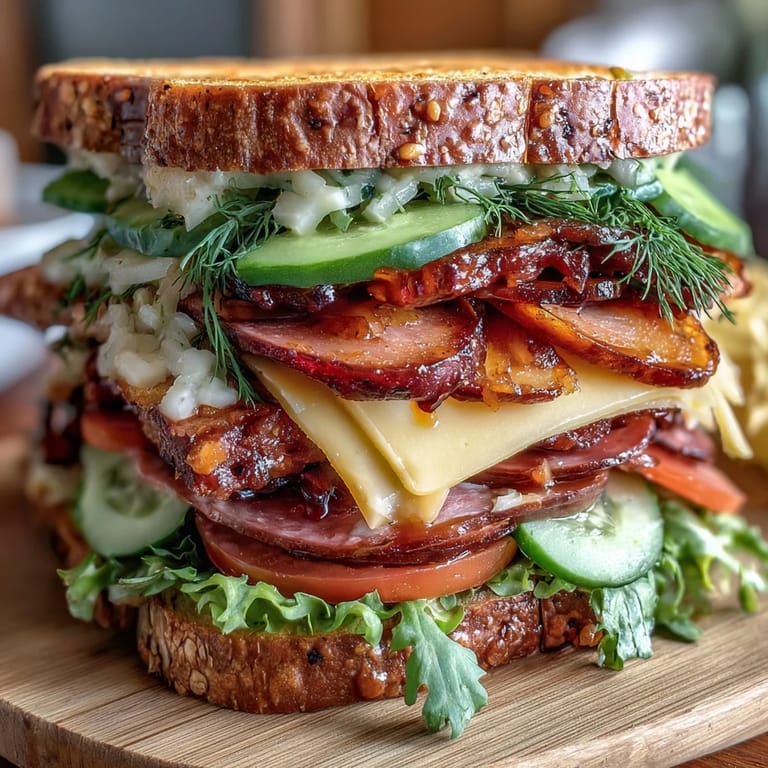
Save Last summer, my neighbor texted asking if I could throw together something for her book club gathering, and I realized I had maybe two hours before everyone arrived. Instead of panicking, I raided my fridge and deli counter, then spread everything across my largest cutting board like a edible mosaic. Watching six different people construct six completely different sandwiches from the exact same ingredients felt like magic, honestly—everyone left happy, and I had actually enjoyed hosting instead of sweating over a stove.
I still remember my cousin's surprised face when he realized he could pile his sandwich however high he wanted without judgment—he went full deli mad with turkey, roast beef, both Swiss and cheddar, and enough pickles to make it wobble. That's when I understood this isn't really about having the perfect sandwich recipe; it's about giving people permission to be a little outrageous with their food.
Ingredients
- Ciabatta rolls: Their open crumb structure catches spreads and juices without falling apart, plus they feel substantial enough for loaded stacks.
- Whole grain sandwich rolls: A nuttier option for people who want something heartier than white bread, and they add visual variety to your board.
- Sourdough bread: The tang cuts through rich meats and mayo beautifully, and sliced pieces work great for guests who prefer thinner sandwiches.
- Smoked turkey breast: Lean and flavorful without being overpowering, it appeals to people watching their fat intake.
- Honey ham: The sweetness balances mustards and pickles, and it's the ingredient most people actually recognize and trust.
- Roast beef: For the hearty eaters—this is where umami depth comes from, so don't skip it or go too thin on the slicing.
- Salami: A smaller amount goes a long way; its spiced intensity makes people pause and notice flavors, plus it brings visual color.
- Swiss, cheddar, and provolone cheeses: Three distinct personalities—Swiss is mild and pairs with everything, cheddar adds sharpness, provolone brings smoothness and slight smokiness.
- Fresh tomatoes and cucumbers: Slice these as close to serving as you can manage so they don't weep and make bread soggy.
- Red onion: Paper-thin slices somehow taste less aggressive than thicker cuts, and they add crunch that holds up through transport.
- Romaine lettuce and baby spinach: Lettuce is the traditional anchor; spinach adds iron and a peppery note if someone wants to go that direction.
- Avocado: Slice this last and brush with a tiny bit of lemon juice if you're assembling the board more than an hour ahead.
- Dill pickle slices: The acidity is essential—it's what prevents this from feeling heavy and reminds your mouth you're eating something alive and bright.
- Mayonnaise, Dijon mustard, hummus, pesto, and honey mustard: Five spreads means five different sandwich personalities possible; don't be tempted to skip any because they serve totally different people.
- Black olives, banana peppers, and sun-dried tomatoes: These extras are what make people say "oh, I didn't expect that flavor"—they're the personality touches that make the board memorable.
Tired of Takeout? 🥡
Get 10 meals you can make faster than delivery arrives. Seriously.
One email. No spam. Unsubscribe anytime.
Instructions
- Gather your board and visualize the layout:
- Imagine your serving surface divided into zones before you start placing anything—breads in the center where they're easiest to grab, proteins and cheeses flanking them, vegetables and extras filling the remaining spaces. This mental map takes thirty seconds but saves you from rearranging everything three times.
- Arrange breads as the anchor:
- Place halved rolls and bread slices in the middle section, standing some up slightly so they catch the light and look intentional rather than just scattered. Let people see the crust and texture because bread choice actually matters to how a sandwich tastes.
- Create distinct zones for meats and cheeses:
- Stack each type of meat and cheese in its own small pile or overlapping fan, keeping them separated so flavors stay true and people can actually distinguish between smoked turkey and roast beef. Label them with small cards if you're fancy, or just arrange them clearly enough that people can see the difference.
- Organize vegetables for easy grabbing:
- Pile tomato slices together, then cucumbers, then onion, and so on—small separate groupings work better than mixing them because each person has different vegetable preferences and quantities. If you're setting up more than thirty minutes before eating, keep damp vegetables like tomatoes and cucumbers on a separate small board so they don't release water onto the bread.
- Set spreads in small bowls with dedicated spoons:
- This prevents the mayo from mixing with pesto and keeps people from double-dipping their knife into shared spreads, which matters more than you'd think at a gathering. Keep spoons in each bowl and maybe set out small spreading knives nearby so people aren't hunting for tools.
- Fill remaining spaces with olives, peppers, and sun-dried tomatoes:
- Scatter these in the gaps to create visual fullness and catch people's eyes—they add complexity and surprise to otherwise straightforward sandwich combinations. Small bowls work well here too, especially if the oil from sun-dried tomatoes might drip onto your board.
- Serve immediately or cover and chill strategically:
- If you're eating within an hour, leave it out at room temperature; if longer, cover vegetables loosely with plastic wrap but leave spreads and meats uncovered so they don't get damp and smell strange. Transport the whole thing in a cooler if you're heading to a picnic, but don't assemble sandwiches ahead—let people do that just before eating.
 Save
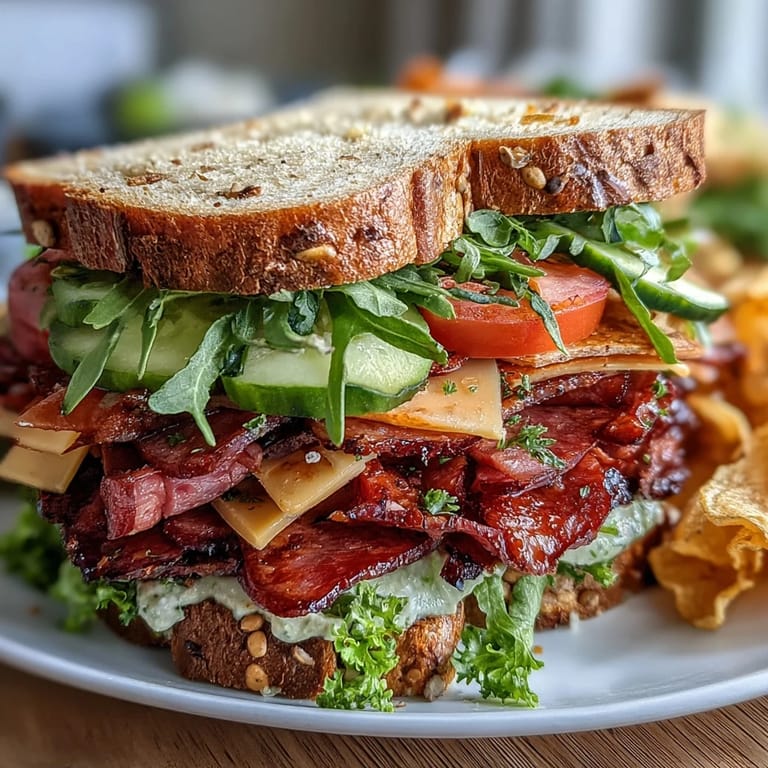
Save What struck me most was watching a seven-year-old confidently build a sandwich with Swiss cheese, roast beef, pickles, and pesto while his dad fussed over proportions—the kid actually ate the whole thing and asked for another. That's when I realized this board format gives everyone, no matter their age or experience, the confidence to be creative.
The Beauty of Customization
The real power of this setup is that it dissolves the anxiety people sometimes feel about food choices. Someone on a diet can build something lighter with extra vegetables and lean turkey; a vegetarian can skip meat entirely and still have a satisfying board experience; someone adventurous can layer five different components and create something totally unexpected. Nobody feels like they're eating a separate meal—everyone's working from the same abundant spread, just making different choices.
Building This for Different Occasions
I've made this for casual weeknight dinners when friends drop by unplanned, for formal afternoon gatherings where people expect elegance, and for chaotic picnics where half the food ends up sandy anyway. The formula doesn't change, but the feeling of each occasion shifts based on how you present it—use cloth napkins and small ceramic bowls for a garden party vibe, go casual with paper napkins and straight-up pile vegetables on the board for a beach day.
Timing and Transport Tips
The genius of this format is that it requires zero cooking time, but it does need thoughtful organization if you're moving it anywhere. Pack breads and sturdy vegetables first on a bottom layer, nestle meats and cheeses in a middle tier with parchment between each item so flavors don't transfer, and keep spreads in separate containers you'll spoon onto the board once you arrive. One detail I learned the hard way: bring extra small spoons and spreading knives because people always lose them or leave them in various bowls, and it's way easier to pack extras than to improvise solutions at a picnic.
- Use parchment paper between layers of meat and cheese if you're stacking this in a cooler for transport, so flavors stay pure and nothing gets pressed flat.
- Bring wet wipes or a damp cloth for before assembly because your hands will absolutely touch ten different things while arranging and people notice sticky fingers on bread.
- Set up your board in the shade if you're outside, because mayo-based spreads and avocado don't love direct sun, plus melted cheese dripping everywhere ruins the careful arrangement you worked for.
 Save
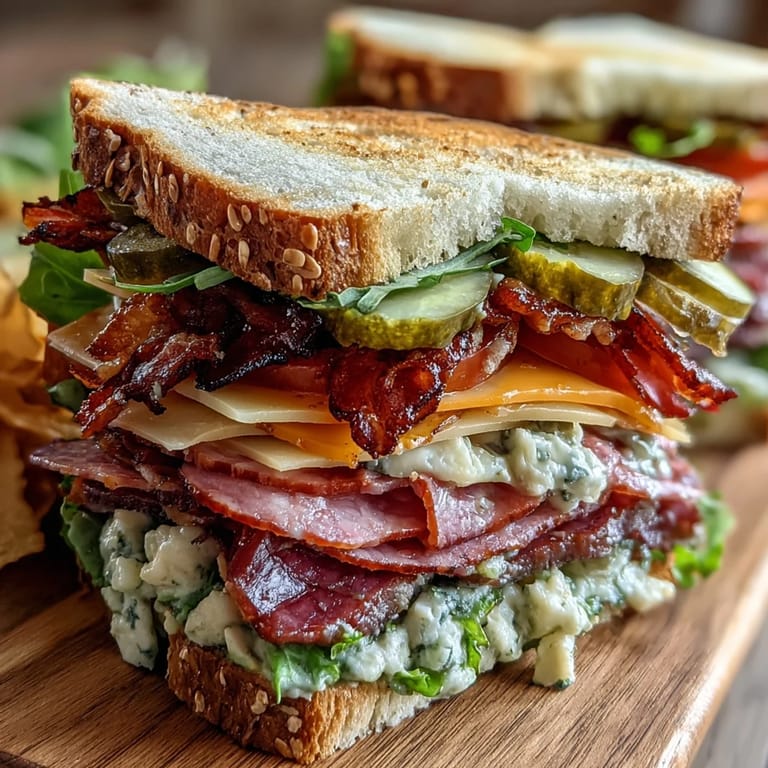
Save This board has become my answer to hosting without stress, feeding a group without knowing their preferences in advance, and creating a meal that feels abundant and celebratory without requiring skill or planning beyond a trip to the deli counter. Everyone leaves happy because they built exactly what they wanted, and you get to spend the gathering actually present instead of cooking.
Recipe Guide
- → What types of breads work best for the board?
Ciabatta rolls, whole grain sandwich rolls, and sourdough slices provide a variety of textures and flavors to complement the deli meats and cheeses.
- → How can I keep the ingredients fresh before serving?
Store meats, cheeses, vegetables, and spreads separately in the refrigerator until ready to serve. Cover the board or components with plastic wrap to maintain freshness.
- → Are there vegetarian options recommended for the board?
Yes, grilled vegetables, sliced hard-boiled eggs, or plant-based deli slices can be offered as flavorful meat alternatives.
- → What serving tools are needed to present the board?
A large serving board or platter, small bowls for spreads and extras, along with serving knives and spoons, make assembling and serving easy.
- → Which beverages pair well with this deli board?
Light, crisp wines like Sauvignon Blanc and refreshing lagers complement the variety of meats, cheeses, and fresh vegetables beautifully.
- → Can the board be made gluten-free?
Absolutely! Substitute gluten-free bread varieties to accommodate gluten sensitivities without losing the board’s variety and appeal.