 Save
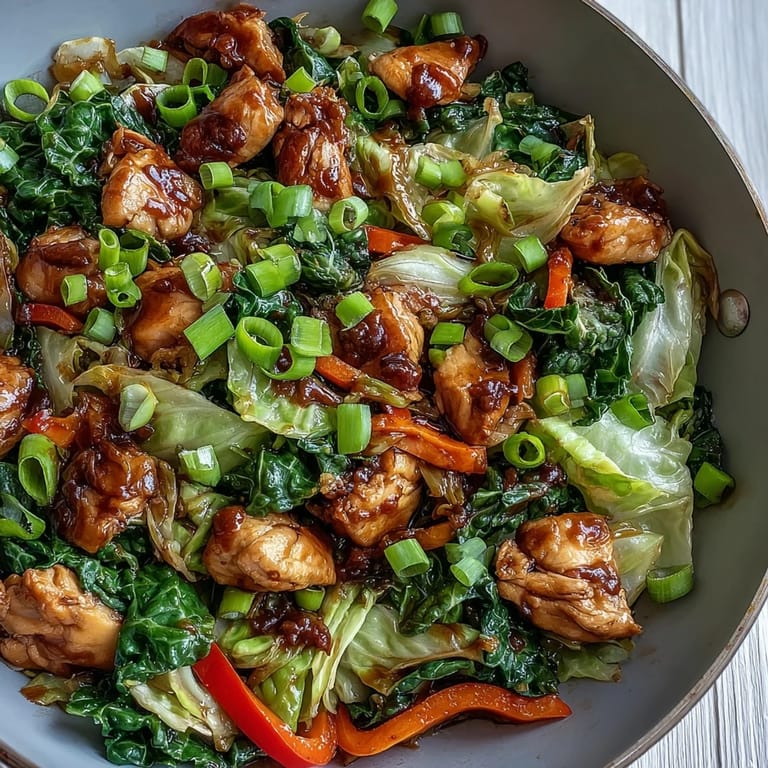
Save There's a Tuesday night rhythm to this dish that I've come to rely on, when the fridge is looking sparse but my appetite is loud and demanding. I discovered this stir-fry completely by accident, actually, while trying to use up a head of cabbage that was getting too comfortable in my vegetable drawer. The way the chicken picks up that golden crust while the cabbage stays bright and snappy underneath it all just works, and now it's the meal I reach for when I need dinner on the table before my energy completely crashes.
I made this for my sister one night when she was stressed about her new job, and she sat at my kitchen counter just watching the cabbage transform from raw to tender, asking questions about every step like it was a meditation. By the time we sat down to eat, she was already smiling again, and I realized this dish does something beyond just filling you up. Now whenever she visits, this is what she requests, and I love that a 30-minute dinner became our thing.
Ingredients
- Chicken breast or thighs (500 g / 1 lb), thinly sliced: Thighs stay juicier if you're nervous about dry chicken, but breasts work beautifully if you slice them thin and don't overcook them past that golden stage.
- Green cabbage (1 small head, about 600 g / 1.3 lbs), cored and thinly sliced: This is your textural anchor, and keeping those slices thin means they'll cook through while staying crisp instead of turning mushy.
- Carrot (1 medium), julienned: The sweetness balances the savory sauce, and julienning it (cutting into thin matchsticks) lets it cook quickly without turning into mush.
- Red bell pepper (1), thinly sliced: Color and brightness, but also a gentle sweetness that plays well with the umami sauce.
- Green onions (3), sliced: These go in at the very end so they stay fresh and sharp, a little wake-up call at the end of each bite.
- Soy sauce (3 tbsp), or tamari for gluten-free: This is your foundation, the thing that makes people think you know what you're doing even though you threw this together on a whim.
- Oyster sauce (1 tbsp): Don't skip this; it's got this quiet depth that makes everything taste more intentional.
- Hoisin sauce (1 tbsp): A little sweet, a little thick, it rounds out the sauce profile without being aggressive about it.
- Rice vinegar (1 tbsp): The acid that keeps everything from tasting one-note and muddy.
- Sesame oil (2 tsp): Just enough to give the whole thing an aromatic quality that makes you pause between bites.
- Cornstarch (2 tsp) mixed with water (2 tbsp): This is what transforms loose sauce into something that clings to the chicken and vegetables instead of pooling at the bottom.
- Sugar (1 tsp): A touch of sweetness to balance the savory and acidic elements, nothing more.
- Vegetable oil (2 tbsp total): Split between cooking the chicken and the aromatics, use something with a high smoke point so you're not filling your kitchen with burnt-oil smoke.
- Garlic (3 cloves), minced: The moment you add this to hot oil, your entire kitchen transforms into something that smells like a proper dinner is happening.
- Fresh ginger (1-inch piece), peeled and grated: This adds warmth and complexity that you can't quite identify but absolutely notice when it's missing.
Tired of Takeout? 🥡
Get 10 meals you can make faster than delivery arrives. Seriously.
One email. No spam. Unsubscribe anytime.
Instructions
- Make your sauce first and set it aside:
- Whisk together the soy sauce, oyster sauce, hoisin sauce, rice vinegar, sesame oil, cornstarch slurry, and sugar in a small bowl. This way you're not scrambling halfway through cooking when everything in the pan is moving at once.
- Get your chicken golden and out of the way:
- Heat 1 tablespoon of oil in a large skillet or wok over medium-high heat until it shimmers, then add your chicken. Let it sit for a moment before stirring, about 4-5 minutes total, so it develops that seared exterior. Once it's cooked through and starting to look golden, move it to a clean plate.
- Build your aromatic base:
- Add the remaining oil to the same pan and throw in your minced garlic and grated ginger. You'll get maybe 30 seconds of this fragrant moment before you need to add the vegetables, so breathe it in.
- Stir-fry your vegetables until they're crisp-tender:
- Add the cabbage, carrot, and bell pepper to the pan and keep them moving for about 3-4 minutes. You want them to soften just enough to lose their raw harshness but still have some snap when you bite into them.
- Bring everything back together with the sauce:
- Return the chicken to the pan, pour in your prepared sauce, and toss everything to coat. Cook for another 2-3 minutes, watching as the sauce thickens and turns glossy, clinging to every piece of chicken and vegetable.
- Finish with green onions and taste:
- Stir in the green onions at the very end and take a taste. Season with more soy sauce or a splash of rice vinegar if you feel like it needs it.
 Save
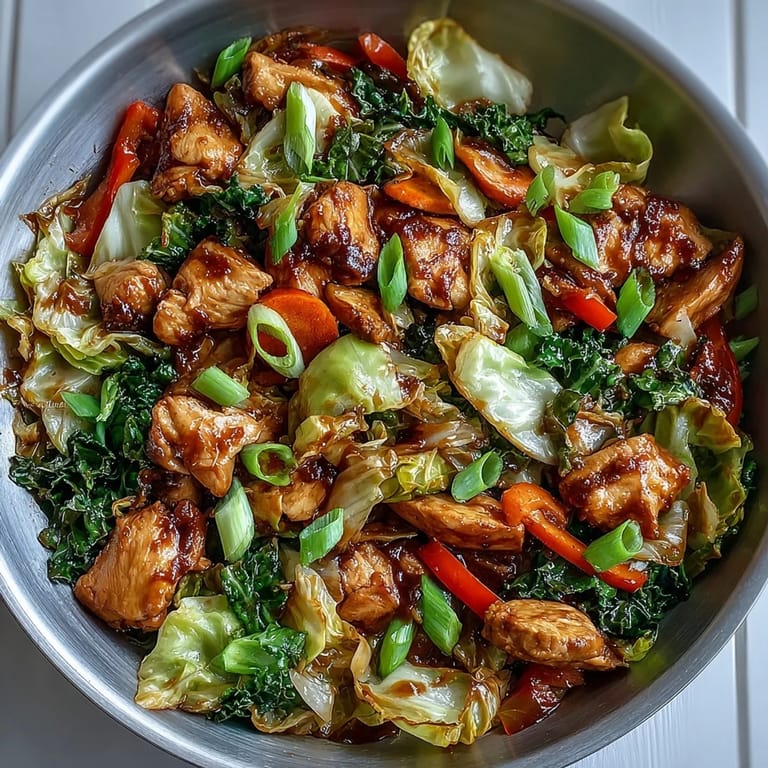
Save My roommate came home one night to this smell and actually stopped in the doorway, just standing there taking it in. That moment when someone's tired from their day and your kitchen smells like something warm and real and entirely achievable, that's when you know a dish has real value. This became the recipe I taught them first, the one that proved cooking doesn't have to be complicated to feel like you care.
Why This Works as a Weeknight Dinner
The beauty of this dish is that it doesn't demand perfection or specialty equipment. A regular skillet works just as well as a wok, and the timing is forgiving enough that if you're a few seconds slow on any step, the whole thing doesn't fall apart. The sauce brings everything together at the end, so even if your chicken slices vary in thickness or your vegetable cuts aren't perfectly uniform, that umami-rich coating makes it all taste intentional.
Customizing to What You Have
I've made this with shrimp when chicken seemed boring, with tofu when I was trying to eat lighter, and once with mostly cabbage and whatever vegetables I could find hiding in the back of my crisper drawer. The framework is flexible enough that it adapts to what's in your kitchen rather than asking you to shop for an exact list. Some nights I add a pinch of chili flakes if I'm feeling like the dish needs more personality, and other times I let it be exactly what it is.
Pairing and Serving
On its own, this is a satisfying dinner, but it transforms into something more complete when served over rice or noodles. Jasmine rice picks up the sauce beautifully, while noodles make it feel more like takeout than something you threw together in your own kitchen. Sometimes I skip the starch entirely and just eat it straight from the bowl, which is less elegant but somehow more honest.
- Serve immediately while the vegetables are still warm and the sauce hasn't started to set up.
- If you're meal prepping, store the stir-fry separately from any rice or noodles so nothing gets soggy by Wednesday.
- Leftover sauce never goes to waste in my kitchen, it's perfect drizzled over roasted vegetables or scrambled eggs the next morning.
 Save
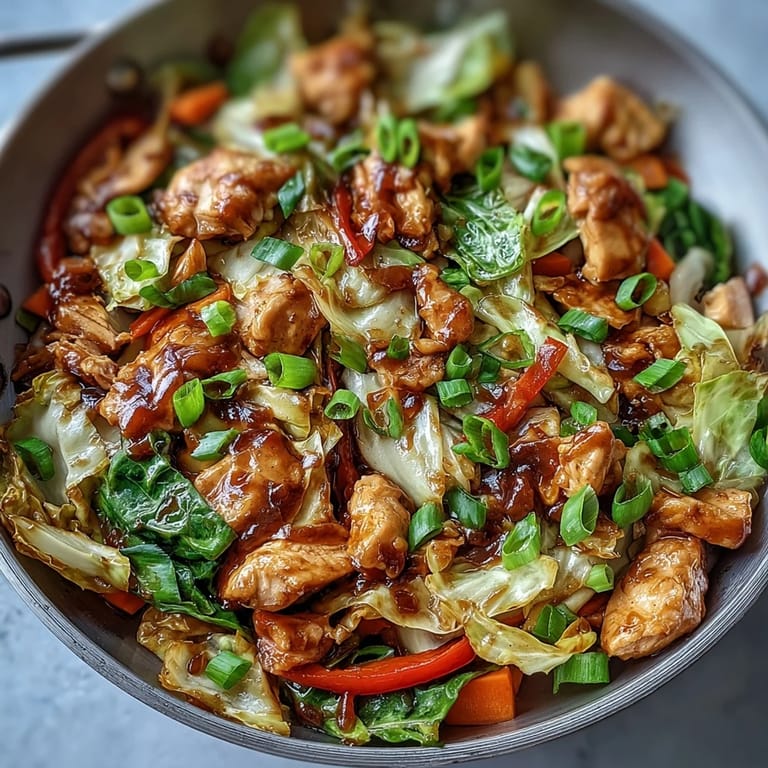
Save This dish taught me that weeknight cooking doesn't have to be a compromise, and that 30 minutes is plenty of time to create something that tastes like you actually tried. I make it at least twice a month now, and it never feels like I'm repeating myself.
Recipe Guide
- → Can I use chicken thighs instead of chicken breast?
Yes, chicken thighs work wonderfully in this stir-fry. They tend to be more flavorful and juicy than breast meat. Simply slice them thinly and cook for the same amount of time until fully cooked through.
- → How do I make this stir-fry gluten-free?
Replace regular soy sauce with tamari and ensure your oyster sauce and hoisin sauce are certified gluten-free versions. Check all sauce labels carefully as many contain wheat-based ingredients.
- → What can I substitute for oyster sauce?
If you don't have oyster sauce, you can use an equal amount of additional hoisin sauce or a mixture of soy sauce and a small amount of brown sugar. Mushroom-based vegetarian oyster sauce is also an excellent alternative.
- → Can I prepare the sauce ahead of time?
Absolutely! Whisk together all sauce ingredients and store in an airtight container in the refrigerator for up to 3 days. Give it a quick stir before adding to your stir-fry as the cornstarch may settle.
- → How do I prevent the cabbage from getting soggy?
Cook the cabbage over high heat and avoid overcrowding the pan. Stir-fry for only 3-4 minutes until crisp-tender. The cabbage should retain some crunch and not release too much moisture.
- → What other vegetables can I add to this stir-fry?
Snap peas, broccoli florets, mushrooms, zucchini, or baby corn all work beautifully. Add harder vegetables like broccoli earlier in the cooking process and softer vegetables toward the end.