 Save
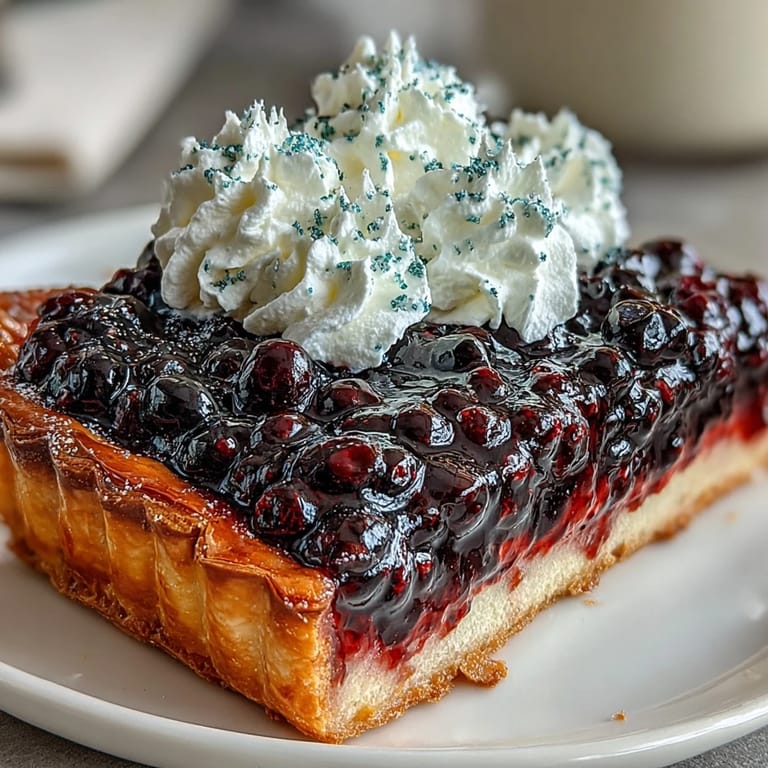
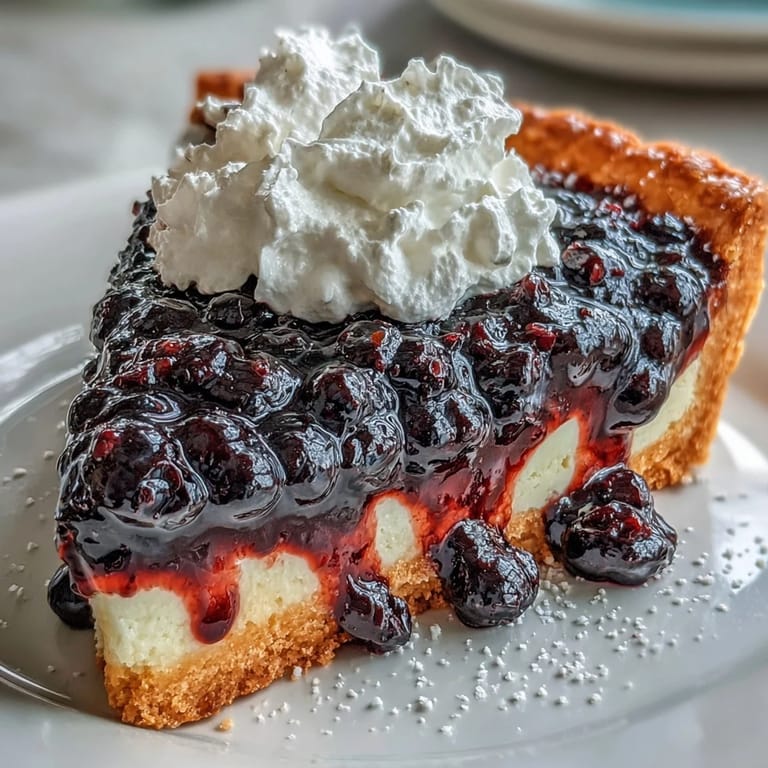
Save There's something about black currants that stops me mid-conversation—that deep, almost mysterious tartness that isn't quite like anything else in the fruit world. I discovered this tart years ago at a tiny patisserie tucked behind a narrow Paris street, and the way the tangy curd caught the light through the cafe window felt like a small secret. That first bite, with its crisp pastry shell giving way to that jewel-toned filling, changed how I thought about what a tart could be. I've been chasing that moment ever since, perfecting it in my own kitchen.
I made this for my neighbor after her daughter came home from culinary school, wanting to show off everything she'd learned. When she took a bite, she got quiet for a moment—that particular kind of quiet that means something just hit differently. Later, she admitted she'd been expecting something fussy or overdone, but instead found it elegant and balanced. That's when I realized this tart works because it doesn't try too hard; it just lets three beautiful things speak for themselves.
Ingredients
- All-purpose flour (1 1/4 cups): The foundation of your pastry, and room-temperature flour can actually sabotage you here—keep it cool and everything stays tender.
- Unsalted butter, cold and diced (1/2 cup): This is where the shatter comes from; if it's even slightly warm, your pastry becomes dense instead of flaky.
- Powdered sugar (1/4 cup for pastry): It dissolves instantly, keeping the pastry delicate without adding grittiness.
- Salt (1/4 tsp): A small amount that makes every other flavor in the tart seem more vivid.
- Egg yolk (1 large): Acts as edible glue and brings richness without toughening the dough.
- Ice water (2–3 tbsp): Temperature matters; warm water means tough pastry, so keep it genuinely cold.
- Fresh or frozen black currants (1 1/2 cups): Either works beautifully; frozen ones actually break down more easily into that perfect curd texture.
- Granulated sugar (1/2 cup): Balances the tartness while letting the black currant flavor stay front and center.
- Eggs and egg yolks (2 whole + 2 yolks): The egg whites create lift and structure; the yolks add richness to your curd.
- Lemon juice and zest (2 tbsp juice, zest of 1): Brightness that prevents the curd from feeling one-dimensional.
- Unsalted butter for curd (4 tbsp): Stirred in at the end for silky texture; add it off heat so it emulsifies properly.
- Heavy cream, cold (1 cup): Cold cream whips faster and holds peaks better, and it cuts through the richness beautifully.
- Powdered sugar for topping (2 tbsp): Dissolves seamlessly into the cream.
- Vanilla extract (1/2 tsp): Just a whisper that rounds out all the flavors.
Tired of Takeout? 🥡
Get 10 meals you can make faster than delivery arrives. Seriously.
One email. No spam. Unsubscribe anytime.
Instructions
- Mix the pastry dough:
- Whisk together your flour, powdered sugar, and salt in a bowl, then cut in the cold butter using a fork or pastry cutter until everything resembles coarse breadcrumbs—you want some pea-sized pieces of butter still visible. Add the egg yolk and 2 tablespoons of ice water, stirring gently until the dough just barely comes together, adding a touch more water only if absolutely necessary.
- Chill the pastry:
- Press the dough into a disk, wrap it, and let it rest in the fridge for 30 minutes; this relaxes the gluten so it won't shrink when baked. While it chills, preheat your oven to 350°F and get your 9-inch tart pan ready.
- Blind bake the shell:
- Roll out your chilled pastry on a floured surface and fit it into the tart pan, trimming any overhang and pricking the base with a fork to prevent puffing. Line it with parchment paper, fill with pie weights or dried beans, and bake for 15 minutes, then remove the weights and parchment and bake another 8–10 minutes until it's golden and dry-looking.
- Prepare the black currant curd base:
- While the shell cools, combine your black currants, sugar, lemon juice, and zest in a small saucepan over medium heat, stirring often until the berries burst and the mixture turns deep purple and glossy, which takes about 5 minutes. Push everything through a fine mesh sieve to strain out the skins, leaving you with a smooth, vibrant puree.
- Cook the curd:
- In a separate bowl, whisk together your eggs and yolks, then very gradually whisk in the warm currant puree while whisking constantly to avoid scrambling anything. Return this mixture to your saucepan over low heat and stir constantly for about 10 minutes until it thickens enough to coat the back of a spoon.
- Finish the curd with butter:
- Remove from heat and whisk in the butter pieces one at a time until the mixture is silky and smooth. Let it cool slightly, then pour it into your cooled pastry shell and refrigerate for at least 1 hour until completely set.
- Whip the cream topping:
- Just before serving, pour your cold heavy cream into a bowl with powdered sugar and vanilla, and whip until soft peaks form—don't overdo it or you'll end up with butter. Pipe or spoon it generously over the chilled tart right before bringing it to the table.
 Save
Save My partner walked into the kitchen while I was plating this tart for guests, and without a word, he reached for a spoon and stole a tiny bite of cream from the top. He didn't apologize, didn't ask—just looked at me with this quiet satisfaction and went about his evening. Sometimes the best compliment isn't words but that unconscious reaching for more.
Why Black Currants Matter
Black currants exist in this beautiful territory between tart and sweet, between familiar and slightly exotic. If you've only ever eaten blackberries or raspberries, this will feel like discovering an entirely new flavor family. They're less acidic than you might expect and have this deep, almost mineral quality that makes them perfect for curd, which traditionally uses lemon or passion fruit.
Troubleshooting the Pastry
If your pastry shrinks dramatically during baking, it usually means the dough wasn't chilled long enough or the oven temperature wasn't accurate. If it tastes tough, you probably handled it too much or added water too generously—next time, err on the side of slightly crumbly dough. The pastry should come together on its own with minimal handling; think of it as a suggestion, not a vigorous conversation.
Serving and Storage Thoughts
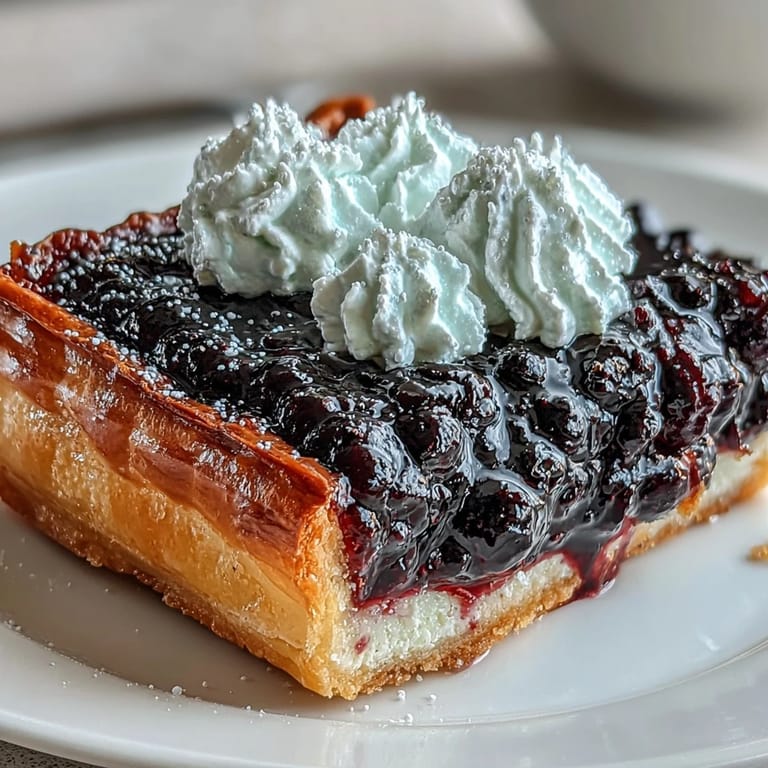
This tart tastes best served within a few hours of adding the cream, though the pastry and curd layers will keep in the fridge for up to three days if you cover them well and hold off on the whipped cream until serving. A glass of something cold and slightly sweet—Moscato, Riesling, or even a sparkling rosé—makes this feel like a real occasion, even on an ordinary Tuesday.
- Assemble the whipped cream topping only right before serving so it stays fluffy and cloud-like.
- If you can't find black currants, frozen ones work just as well as fresh, and they sometimes actually break down more smoothly into curd.
- A thin slice is all anyone needs; this is rich in the best way possible.
 Save
Save This tart has become something I make when I want to feel a little more polished in the kitchen without the exhaustion of something truly complicated. It's the kind of dessert that makes everyone wonder if you've been secretly taking advanced cooking classes.
Recipe Guide
- → How do I ensure a crisp tart shell?
Use cold butter cut into the flour until crumbly, then chill the dough before rolling to maintain flakiness and prevent shrinking during baking.
- → What is the best way to cook the black currant curd?
Gently heat the currants with sugar and lemon, then slowly whisk in eggs off heat to avoid curdling, finishing over low heat until thickened for a smooth texture.
- → Can I substitute the fruit used in the filling?
Yes, berries like blackberries or raspberries can replace black currants for a similarly vibrant and tangy filling.
- → How do I achieve the perfect whipped cream topping?
Chill the cream and mixing bowl, then whip the cream with powdered sugar and vanilla until soft peaks form for a light, airy topping.
- → What tools are essential for making this tart?
A tart pan, mixing bowls, saucepan, rolling pin, whisk, fine mesh sieve, and an electric mixer for the cream are important for best results.