 Save
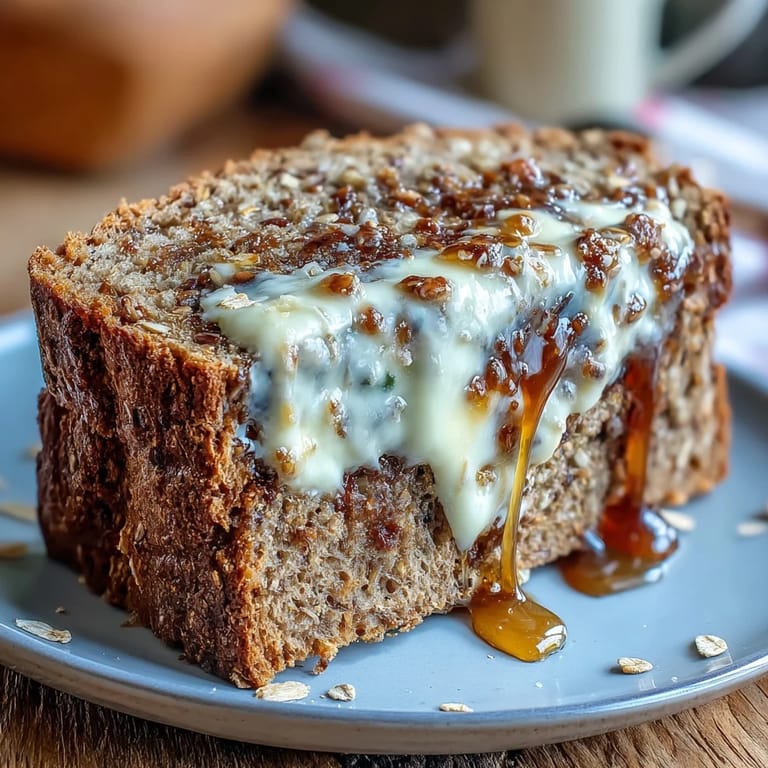
Save My grandmother's kitchen smelled like this bread every Saturday morning, the way the buttermilk and whole wheat would catch just right in the oven. I didn't appreciate it then, too busy reaching for the honey butter before it had cooled, but years later I realized I was chasing that exact smell. Making it myself for the first time was surprisingly forgiving, which is probably why this bread has become my answer to almost every question about comfort food.
I made this for my partner during the first real cold snap of autumn, when the kitchen felt like the only warm place in the world. We ate it standing up, straight from the cooling rack, the honey butter melting into rivers down our wrists. That single loaf somehow turned a regular Tuesday into something worth remembering.
Ingredients
- Whole wheat flour (250 g): Irish-style flour has a particular coarseness that gives this bread its rustic texture, but regular whole wheat works beautifully if that's what you have.
- All-purpose flour (125 g): This balances the density of the whole wheat and keeps the crumb from becoming too heavy.
- Baking soda (1 teaspoon): The acid in buttermilk reacts with this to create your rise, so don't skip it or reduce it.
- Salt (1 teaspoon): Beyond flavor, salt strengthens the gluten structure and gives the crust its slight sweetness.
- Rolled oats (2 tablespoons plus extra): These add nuttiness and texture, but keep them rolled rather than steel-cut or your bread becomes gritty.
- Brown sugar (2 tablespoons): Adds depth and helps the crust brown, but don't think of this as a sweet bread, the sugar is subtle.
- Buttermilk (480 ml): Room temperature buttermilk incorporates more smoothly than cold, and it's the secret to that tender crumb.
- Unsalted butter (115 g): Softened so it beats into the honey without lumps, and unsalted so you control the salt level.
- Honey (2 tablespoons): Raw honey adds floral notes that refined sweeteners can't match, but any honey you like works.
Tired of Takeout? 🥡
Get 10 meals you can make faster than delivery arrives. Seriously.
One email. No spam. Unsubscribe anytime.
Instructions
- Heat your oven and prepare:
- Set the oven to 425°F and line a baking sheet with parchment or grease a loaf pan. This only takes a minute but it prevents the panicked scrambling when you're holding wet dough.
- Combine your dry ingredients:
- In a large bowl, whisk together both flours, baking soda, salt, oats, and brown sugar until everything is evenly distributed. The drier mixture should look uniform and sandy.
- Add the buttermilk gently:
- Make a well in the center and pour the buttermilk in slowly, stirring with a wooden spoon until just combined. You'll know you're done when the dough is shaggy and rough but holds together, about thirty seconds of stirring.
- Shape your loaf:
- Turn the dough onto a lightly floured surface and shape it into a round, roughly two inches tall. Don't fuss with it too much, the rougher edges are part of its charm.
- Score and top:
- Using a sharp knife, cut a deep cross into the top of the loaf, then sprinkle extra oats over the surface if you're feeling generous. This cross is both practical and traditional, allowing heat to penetrate the center.
- Bake until golden:
- Slide into the oven for 35 to 40 minutes, until the crust is deep golden and the bottom sounds hollow when tapped with your knuckle. The smell alone will tell you when it's close.
- Make the honey butter:
- While the bread cools, beat softened butter with honey and a pinch of salt in a small bowl until creamy and light. This takes just a minute with a hand mixer or vigorous whisking.
- Slice and serve:
- Once the bread has cooled enough to handle, slice it and serve with generous dollops of honey butter while everything is still slightly warm.
 Save
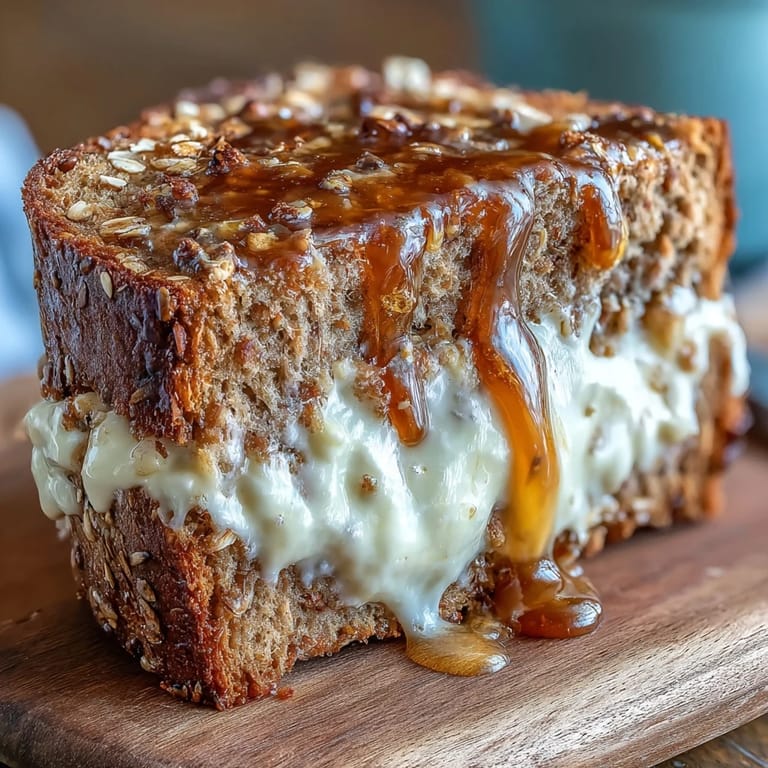
Save There's a moment when this bread is still warm and the honey butter is melting into every crevice where you suddenly understand why this has been made the same way for generations. It's not fancy or complicated, it's just honest and reliable, the kind of food that shows up and does what it promises.
The Texture Story
The magic happens in that balance between whole wheat flour and all-purpose, where you get enough nuttiness and fiber without the bread becoming a dense brick. The oats add a subtle crunch that catches your teeth pleasantly, and the cross cut into the top isn't just for show, it actually helps the inside steam through properly as it bakes. I learned this by accident the first time I forgot to score it and ended up with a loaf that was golden outside but slightly gummy in the middle.
Honey Butter Philosophy
The honey butter is where this bread transforms from good to something you'll find yourself thinking about three days later. Softening the butter properly is important here, it should be almost spreadable before you beat it, otherwise you'll end up with a lumpy mixture instead of something silky. The salt in that butter is crucial too, it brightens the honey and prevents the whole thing from becoming cloying, a trick I picked up from a baker in Cork who insisted that salt was the ingredient everyone forgot about.
Beyond Breakfast
This bread is endlessly flexible, which is probably why it's lasted so long in Irish kitchens. Toast thick slices and serve alongside thick vegetable soup, or use it to soak up stew broth on nights when you need something warm and settling. It also keeps better than most quick breads, staying fresh for three days wrapped loosely in cloth, and it freezes beautifully for up to a month.
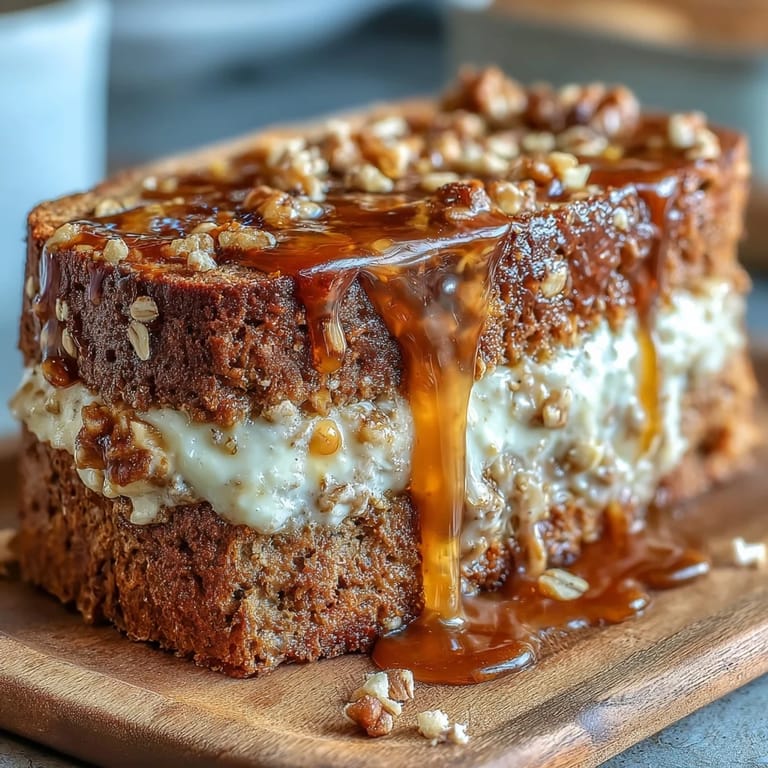
- Add a quarter cup of chopped walnuts or sunflower seeds to the dough if you want extra texture and nutrition.
- For a vegan version, swap the buttermilk for plant milk mixed with vinegar and use vegan butter in both the bread and the honey spread.
- Warm leftover slices gently in the oven rather than the toaster to keep the crumb tender.
 Save
Save This is one of those recipes that improves with repetition, where you stop measuring after a while and just feel when things are right. That's when you know you've truly made it your own.
Recipe Guide
- → What gives Irish brown bread its distinctive flavor?
The combination of whole wheat flour, rolled oats, buttermilk, and a slight sweetness from brown sugar creates the bread’s hearty and rustic taste.
- → How is the honey butter prepared?
Softened unsalted butter is whipped together with honey and a pinch of salt until smooth and creamy, enhancing the bread’s flavor.
- → Can the bread be made vegan-friendly?
Yes, by using plant-based butter and a buttermilk substitute made from plant milk and vinegar, the loaf can be adapted for vegan diets.
- → What texture should the bread have when baked?
The loaf should have a golden-brown crust with a hollow sound when tapped underneath, indicating a well-baked interior.
- → Are there ways to add extra flavor or texture?
Adding chopped walnuts or sunflower seeds to the dough introduces a nutty crunch and richer flavor to the bread.