 Save
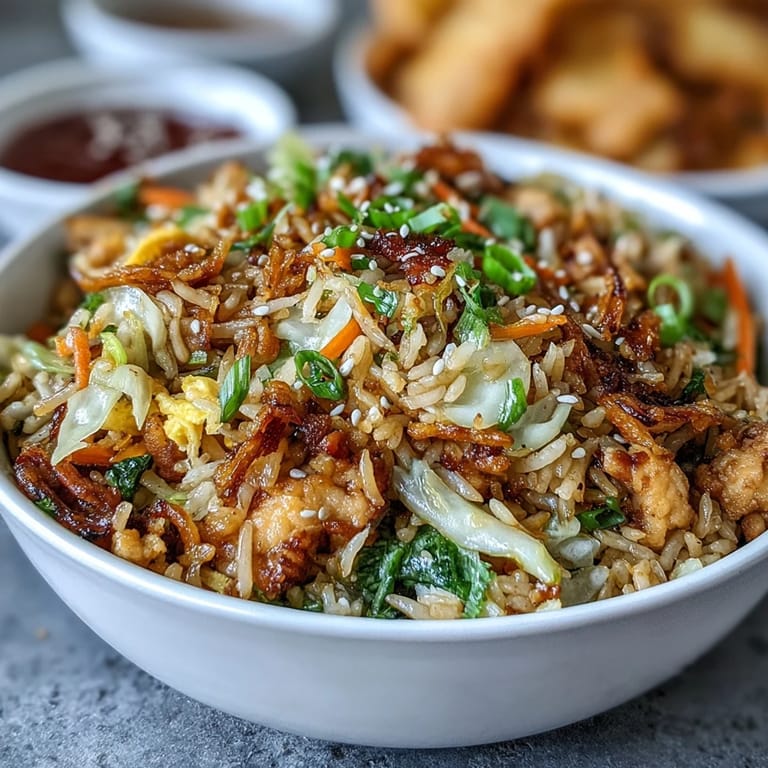
Save My kitchen smelled like a takeout restaurant for the first time when I stopped trying to recreate egg rolls and started thinking like a wok instead. There's something about pushing all those crispy vegetables and tender chicken around a hot pan that makes you realize egg roll flavors don't need a wrapper to be amazing. One weeknight, desperate to use up a container of day-old rice and some cabbage that was getting soft around the edges, I grabbed my spatula and just went for it. The result was better than anything I'd ordered before, and cheaper too. Now this is the dish I make when I want restaurant-quality food without the delivery wait.
I made this for my roommate on a random Tuesday when she came home exhausted from work, and watching her face light up as she tasted it felt like a small victory. She didn't believe me when I said I'd made it myself until I showed her the empty wok still sitting on the stove. From that night on, whenever she had a rough day, she'd text me: "egg roll bowl fried rice?" and I knew exactly what she needed.
Ingredients
- Minced chicken (500 g): Use freshly ground if possible, as it cooks more evenly and gives you better texture control than pre-packaged versions.
- Large eggs (2): Beat them in a separate bowl before cooking so they're fully combined and cook into delicate ribbons rather than chunks.
- Green cabbage (2 cups, thinly sliced): The thinner you slice it, the faster it softens while keeping its crunch, which is the whole point of this dish.
- Carrots (1 cup, julienned): Julienne means thin matchsticks, and this size lets them cook through while staying visibly present in every bite.
- Green onions (1/2 cup, sliced): Save some of the light green parts for garnish, they're prettier and have milder flavor than the white parts.
- Garlic and ginger (2 cloves, 1 tablespoon): Mince these fine so they distribute evenly throughout and season every grain of rice.
- Jasmine rice (3 cups, chilled, preferably day-old): Cold rice is essential because it won't get mushy, it'll stay separate and fluffy in the hot pan.
- Soy sauce (3 tablespoons): This is your main seasoning, so taste as you go and don't dump it all in at once.
- Oyster sauce (1 tablespoon, optional): It adds depth and subtle sweetness that makes people wonder what secret ingredient you used.
- Sesame oil (1 tablespoon): Add this at the very end so the heat doesn't burn away its aromatic qualities and nutty flavor.
- Rice vinegar (1 teaspoon): This tiny amount brightens everything and balances the richness of the oil and eggs.
- Black and white pepper (1/2 teaspoon each): White pepper gives a sharper bite than black, so using both creates more complexity.
- Sugar (1/2 teaspoon): Just enough to round out the savory flavors without making anything taste sweet.
- Crispy fried onions and sesame seeds for topping: These go on at the very end because they're your texture anchor and your proof that you actually paid attention.
- Neutral oil (2 tablespoons total): Divide this strategically so you have enough for the chicken and for cooking the eggs separately.
Tired of Takeout? 🥡
Get 10 meals you can make faster than delivery arrives. Seriously.
One email. No spam. Unsubscribe anytime.
Instructions
- Mise en place is your best friend:
- Get every single ingredient prepped and within arm's reach before you turn on the heat. Once you start cooking, there's no time to chop anything, and half a minute of inattention can turn vegetables mushy or chicken rubbery.
- Brown the chicken until it's really golden:
- Use medium-high heat and let it sit undisturbed for a couple minutes so it gets color and flavor, not just cooked through. Break it up with your spatula as it cooks so you get small, evenly-cooked pieces.
- Wake up the pan with garlic and ginger:
- Stir constantly for one minute so they bloom and release their oils into the hot surface. This is the moment your kitchen smells like you know what you're doing.
- Get the vegetables to the perfect crispness:
- Three to four minutes at high heat gives you tender-crisp texture where the cabbage softens just enough to taste cooked but still snaps between your teeth. Keep moving them around so nothing sticks or burns on the bottom.
- Create an egg nest on the side:
- Push everything to one side, add your second tablespoon of oil, and pour in the beaten eggs. Let them set for maybe 30 seconds, then scramble gently and fold everything together so you get ribbons of cooked egg throughout.
- Add the rice and season carefully:
- Break up any clumps with the edge of your spatula and drizzle all your sauces over the top as you stir. This takes three to four minutes and is your chance to taste and adjust, so go easy on the soy sauce at first.
- Finish with the green onions and final taste:
- One minute is all they need, just enough to soften slightly and release their fresh onion flavor into the warm rice.
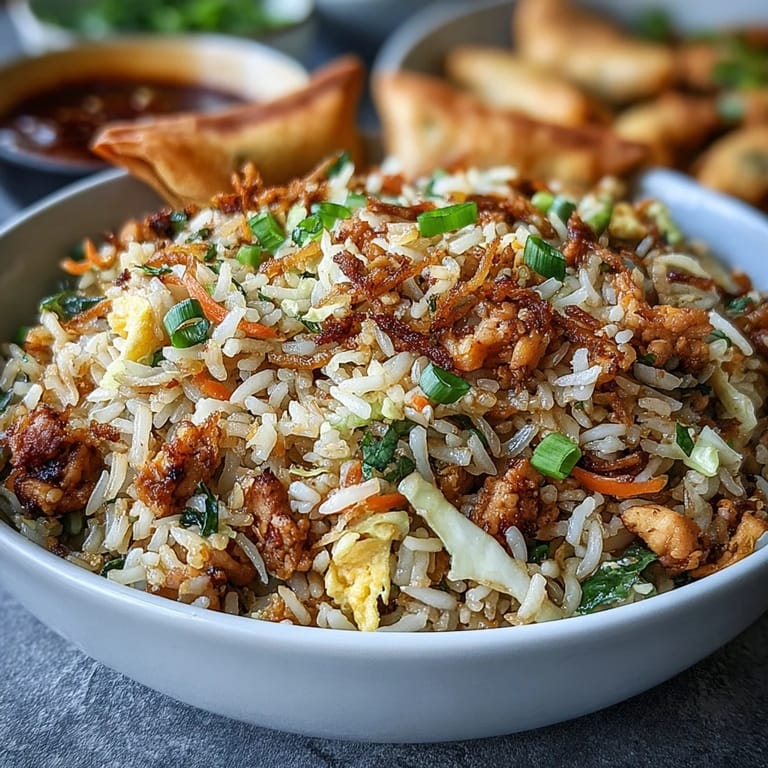 Save
Save There's a moment right before you plate this when the whole pan is hot and steaming and everything looks alive, and that's when you know it's going to be good. It's the kind of dish that tastes like care even though you made it in 40 minutes.
The Secret to Restaurant Texture
The difference between fried rice that's mushy and fried rice that's restaurant-quality comes down to three things working together. First, your rice has to be cold and day-old so the grains don't break down in the heat. Second, your pan has to be actually hot, not medium heat but real medium-high heat that makes you feel the warmth radiating off it. Third, you have to keep the rice moving constantly for those three to four minutes so every grain gets kissed by the hot surface but nothing sticks or browns too much.
Why This Tastes Like Egg Rolls
Egg rolls get their flavor from cabbage, carrots, pork or shrimp, ginger, garlic, and soy sauce, and this dish has all of those exact ingredients. The magic is that you're getting all those flavors without deep-frying anything, so it tastes cleaner and fresher but still deeply satisfying. The sesame oil at the end and the fried onion topping give you that same crispy, savory finish you get biting into the crunchy wrapper.
Make It Your Own
Once you've made this once, you'll start seeing it as a formula you can play with instead of a strict recipe. Leftover roasted vegetables work just as well as fresh ones, and you can throw in whatever protein you have on hand. The sauce ratios are more forgiving than you think, so if you like things saltier or more vinegary, adjust it to your taste.
- Toss in water chestnuts or bean sprouts in the last minute for even more crunch if you want to get fancy.
- Turkey or pork swap in perfectly for the chicken and cook in the same time frame.
- Use tamari instead of soy sauce if you need gluten-free, and just skip the oyster sauce or find a gluten-free version.
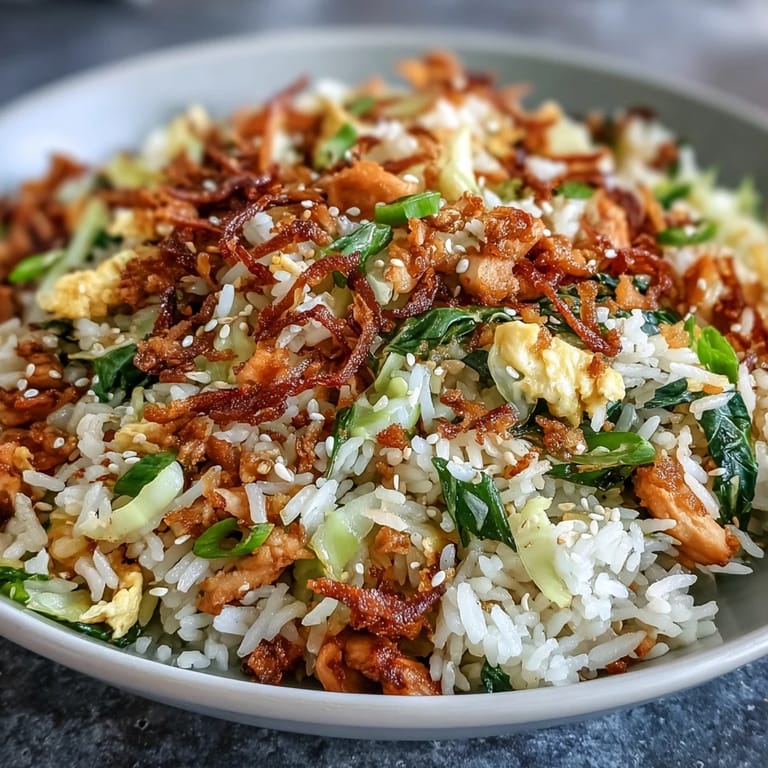 Save
Save This dish proves that the best meals don't need complicated techniques or expensive ingredients, just attention and heat and ingredients you believe in. Make it once for yourself, then make it for someone you want to impress.
Recipe Guide
- → Why use day-old rice for fried rice?
Day-old chilled rice has less moisture, which prevents the dish from becoming mushy during stir-frying. The grains separate easily and develop that desirable slightly crispy texture when cooked at high heat.
- → Can I use fresh rice instead of chilled?
Fresh rice works but spread it on a baking sheet and refrigerate for at least 2 hours before cooking. This helps dry the grains and improves the final texture significantly.
- → What protein alternatives work well?
Minced turkey or pork make excellent substitutions. For plant-based options, try crumbled tofu or textured vegetable protein prepared the same way as the chicken.
- → How do I prevent the eggs from overcooking?
Push the ingredients to one side, add oil to the cleared space, and scramble eggs just until set. Immediately mix them into the rice mixture to stop further cooking.
- → Can I add more vegetables?
Absolutely. Bean sprouts, water chestnuts, snap peas, or bell peppers work wonderfully. Add crisp vegetables near the end to maintain their crunch.
- → Is this dish freezer-friendly?
Yes, cool completely and store in airtight containers for up to 3 months. Reheat in a skillet with a splash of oil to restore texture.