 Save
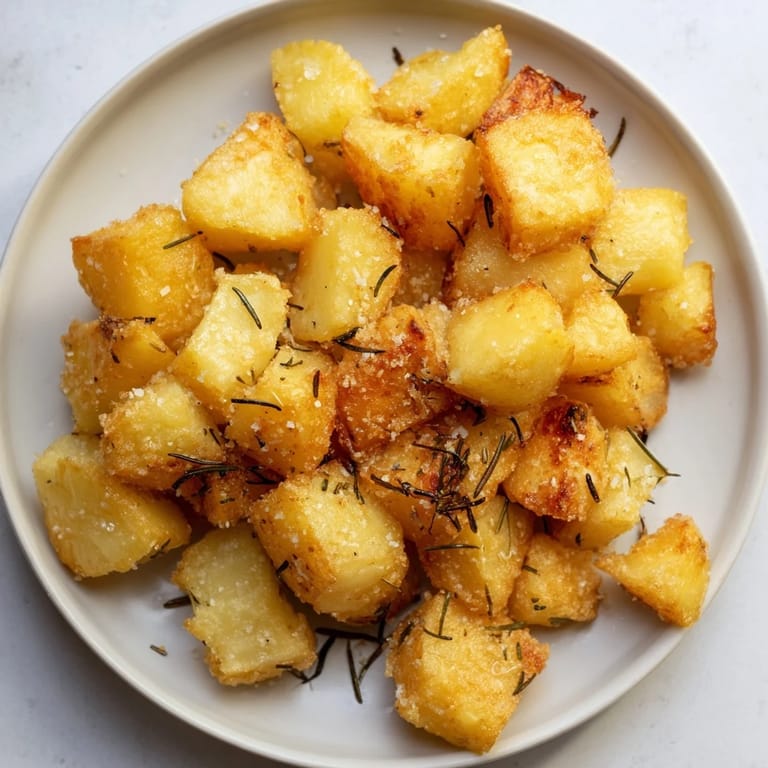
Save My neighbor brought over a jar of beef tallow one autumn evening, still warm from rendering at his farm. He insisted these potatoes were the only way to use it—crispy outside, cloud-soft inside, nothing like the pale oven fries I'd been making for years. That first batch changed how I thought about a simple side dish. Now whenever I smell that deep, savory fat hitting a hot pan, I'm back in that kitchen moment, reaching for Yukon Golds without a second thought.
I made these for a Sunday dinner with family who'd been skeptical about cooking with tallow. The moment they bit into one and that fluffy interior met the shattered crust, the whole table went quiet in that way that means something just worked. My brother actually asked if I'd somehow unlocked a secret level of potato cookery. I hadn't—just better fat and a hot oven, but that's the kind of magic worth repeating.
Ingredients
- Yukon Gold or Russet potatoes (2 pounds, cut into 2-inch chunks): Yukon Golds are waxier and stay fluffy inside, while Russets get crispier overall—pick based on what you're craving.
- Beef tallow (1/3 cup): This is the star; it's rendered beef fat with a smoke point built for hard roasting, and it gives a flavor grocery store oils simply cannot touch.
- Kosher salt (1 1/2 teaspoons, plus more to taste): Coarser grains dissolve slower, so they stay on the surface and cling to the crispy edges where they belong.
- Freshly ground black pepper (1/2 teaspoon): Grind it just before you cook—the volatile oils that make pepper taste like itself disappear fast.
- Fresh rosemary or thyme, finely chopped (2 tablespoons, optional): Add these after roasting if you want that herb flavor bright, or infuse them into the tallow for something softer and more absorbed.
- Garlic cloves, smashed (2, optional): Smashing releases the flavor oils without cooking the cloves to bitter—infuse for a minute or two, then fish them out.
Tired of Takeout? 🥡
Get 10 meals you can make faster than delivery arrives. Seriously.
One email. No spam. Unsubscribe anytime.
Instructions
- Heat your oven and sheet:
- Set the oven to 425°F (220°C) and let a large rimmed baking sheet sit inside while it preheats. A truly hot sheet is what makes the undersides shatter when potatoes land on it.
- Parboil the potatoes:
- Drop your potato chunks into cold, salted water and bring to a boil, then simmer for 8–10 minutes until just the edges turn tender. The centers should still resist a fork—you're not cooking them through, just starting the softening.
- Rough up the surface:
- Drain them well in a colander, shaking gently as they steam. This roughening, where little surface pieces flake loose, is what turns golden and crispy later.
- Infuse and melt the tallow:
- Warm the beef tallow over low heat in a small saucepan. If you're using garlic and herbs, add them now, let them whisper in the fat for a minute or two, then remove them before they turn bitter.
- Coat the sheet:
- Carefully pull out the blazing hot baking sheet using thick gloves or a towel. Pour half the melted tallow on it and tilt it back and forth until it coats the surface evenly.
- Arrange and dress the potatoes:
- Spread the potatoes in a single layer—don't crowd them or they'll steam instead of roast. Drizzle the remaining tallow over them and sprinkle with salt and pepper.
- First roast:
- Roast for 20 minutes without touching them. You want the bottom side to develop that deep golden-brown crust before you even think about moving them.
- Flip and finish:
- Use tongs or a spatula to turn each piece, then roast for another 20–25 minutes. You're aiming for all sides to turn the color of old mahogany, and any visible rough edges should be almost blackened.
- Finish and serve:
- Pull them out and toss with fresh herbs if you want that bright, just-picked flavor. Serve while they're still steaming—they lose some of their magic as they cool.
 Save
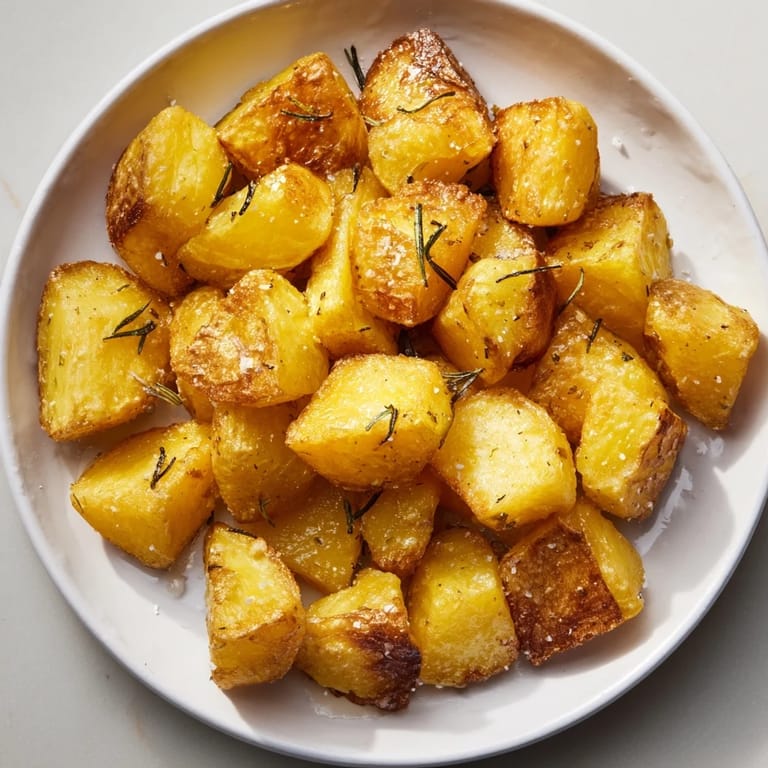
Save These potatoes showed up again at a friend's Thanksgiving dinner where someone had brought store-bought sides that nobody touched. Mine vanished in minutes, and for once, a simple vegetable was what people actually remembered about the meal. There's something quietly powerful about a dish that doesn't need to be fancy to feel celebratory.
Why Beef Tallow Matters
Tallow is rendered beef fat—what butchers used to save and cooks relied on before vegetable oils became standard. It has a smoke point around 400°F (200°C), making it perfect for roasting, and its flavor is savory and deep in a way that feels almost meaty. When it hits a hot pan or sheet, it browns faster and clings to the potato surface, creating layers of flavor that neutral oils just can't compete with. If you've only ever had roasted potatoes made with olive oil or butter, this will genuinely surprise you.
The Secret to Maximum Crispiness
The roughened surface is what transforms into those shattered, crispy edges. Tossing the drained potatoes in the hot pot for 30 seconds flakes off tiny pieces that become almost lacy when roasted. Some cooks skip this, worried about damaging the potatoes, but a gentle shake is all you need. Those rough bits are where the tallow pools and browns hardest, so they're actually the best part of the whole thing.
Variations and Flexibility
Duck fat or goose fat work beautifully if tallow is hard to find—they're slightly lighter in flavor but equally crispy. You can also mix in smoked paprika, chili flakes, or curry powder after roasting for a completely different direction. Some people add Parmesan cheese in the last minute of roasting, and while that changes the dish, it's not wrong. The base recipe is forgiving once you understand what's actually making it work.
- Fresh herbs scattered on top just before serving taste brighter than herbs cooked the whole time.
- If you're short on time, skip the parboil and roast for 45–50 minutes total, but accept that the inside won't be quite as fluffy.
- Leftover potatoes can be reheated gently in a 300°F oven for about 10 minutes—they won't regain full crispiness but they'll warm through without drying out.
 Save
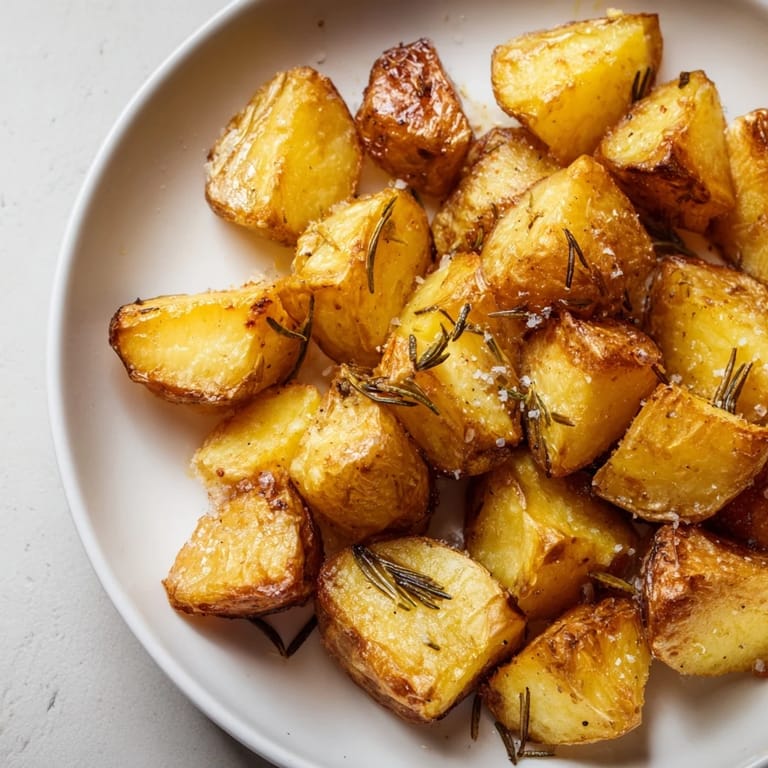
Save These potatoes are proof that sometimes the simplest dishes contain the deepest satisfactions. One ingredient change—tallow instead of oil—and suddenly a side becomes the thing people talk about.
Recipe Guide
- → Why use beef tallow for roasting?
Beef tallow creates a rich, savory flavor and high smoke point, producing a crisp and golden exterior on the potatoes.
- → Can I use other fats besides beef tallow?
Yes, duck fat or goose fat can be substituted to add unique flavor profiles while maintaining crispiness.
- → How do I achieve extra crispy potatoes?
After boiling and draining, letting the potatoes air-dry and roughen their edges helps create a crunchier texture when roasted.
- → Are fresh herbs necessary for the dish?
Fresh rosemary or thyme adds aromatic notes but can be omitted if preferred without losing the core flavor.
- → What oven temperature is best for roasting?
Roasting at 425°F (220°C) ensures a crispy outside and fluffy inside within about 40-45 minutes total roasting time.