 Save
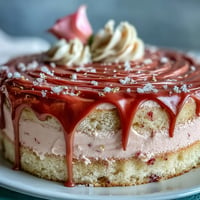
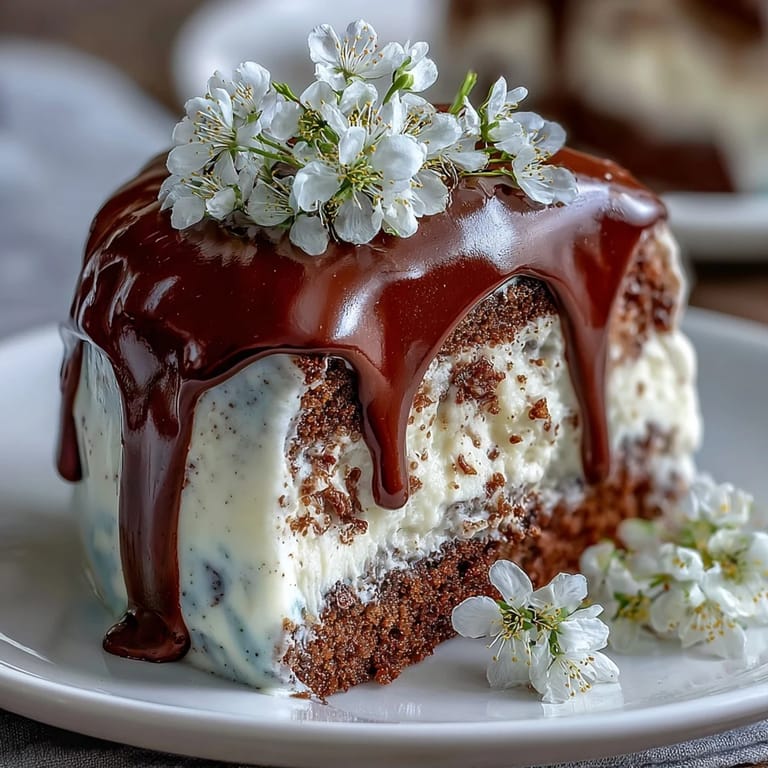
Save I stumbled upon this cake while browsing a bakery window on a gray March afternoon, drawn to the way sunlight caught the white chocolate drips cascading down its sides. The owner mentioned she'd made it for a spring wedding, and something about that—the combination of delicate lemon brightness with those painted flowers—stuck with me for weeks. When I finally attempted it at home, I realized how the simplest ingredients could transform into something that felt almost too beautiful to eat. The smell of vanilla cake mixing with fresh lemon zest filled my kitchen in a way that made the whole day feel like a celebration.
My sister asked me to bring dessert to her garden party last May, and I nearly panicked—I'd only made this cake twice before. But watching guests lean in to photograph it, then actually taste it and close their eyes in that moment of quiet satisfaction, reminded me why I bake. One woman asked if the flowers were real, and when I assured her they were edible, she looked genuinely amazed that something so lovely could also be safe to eat.
Ingredients
- All-purpose flour: The foundation of a tender crumb; make sure it's measured correctly by spooning and leveling, not scooping straight from the bag, which can pack it too densely.
- Baking powder: This is what gives the cake its gentle lift; use fresh baking powder (check the date) because old leavening produces flat, dense results.
- Unsalted butter: Room temperature butter creams properly with sugar, which traps air and creates that light, fluffy texture you're after.
- Granulated sugar: This dissolves more fully than other sugars, creating a silky batter and even crumb structure.
- Eggs at room temperature: Cold eggs don't incorporate smoothly, so pull them out about 30 minutes before baking; they blend into the batter without making it greasy.
- Vanilla extract: Use real vanilla, not imitation, because the subtle warmth it adds complements the lemon brilliantly.
- Whole milk at room temperature: Cold milk can seize the batter and create a curdled texture, so be patient and let it warm on the counter.
- Powdered sugar for frosting: Sifting it removes lumps that can give frosting a grainy texture and makes beating it in much smoother.
- Fresh lemon juice and zest: Fresh is absolutely essential here—bottled juice tastes hollow in comparison, and zest provides those little flavor bursts.
- White chocolate chips: Higher quality white chocolate melts more smoothly; cheaper versions can become grainy or seize.
- Heavy cream: The fat in cream creates a silky ganache that drips beautifully without cracking as it sets.
- Edible flowers: Source these from specialty markets or online suppliers that guarantee pesticide-free flowers; never pick from a florist or garden center unless you're certain of safety.
Tired of Takeout? 🥡
Get 10 meals you can make faster than delivery arrives. Seriously.
One email. No spam. Unsubscribe anytime.
Instructions
- Prepare your pans and heat your oven:
- Set the oven to 350°F and grease three 8-inch pans thoroughly, then line them with parchment—this double step prevents sticking and makes removal effortless. A hot oven means the cakes rise at the right moment before the edges dry out.
- Whisk your dry ingredients together:
- Combine flour, baking powder, and salt in a medium bowl, whisking them well to distribute the leavening evenly throughout. This prevents pockets of baking powder that would taste metallic in the finished cake.
- Cream butter and sugar until it's truly fluffy:
- This takes longer than you think—usually 4 minutes if your butter is properly softened—and you'll see the mixture go from yellow and grainy to pale and cloud-like. This is where the cake's tender crumb begins, so don't rush it.
- Add eggs one at a time with patience:
- Each egg should be fully incorporated before you add the next one; if you rush and add them all at once, the batter can break and become greasy. Listen for the mixer to sound smooth again before moving forward.
- Alternate your wet and dry ingredients:
- Start with flour, add some milk, then more flour—this sequence prevents overmixing, which toughens the cake. Mix just until you can't see streaks of flour anymore.
- Divide batter and bake carefully:
- Use a kitchen scale to divide the batter equally among pans so all three layers bake at the same rate. Check at 25 minutes; don't wait the full 30 if a toothpick comes out clean earlier.
- Cool properly before frosting:
- Let cakes cool in the pans for 10 minutes—they're still delicate—then turn them out onto wire racks to cool completely. Trying to frost a warm cake is a losing battle; the frosting melts and slides.
- Make the lemon frosting with intention:
- Start with creamy butter, add powdered sugar gradually while beating, then add lemon juice and zest at the end for brightness. Add milk just a tablespoon at a time until you reach a spreadable consistency that holds peaks.
- Level and layer your cake:
- If your layers domed in the oven, use a serrated knife to level them so they stack evenly. A wobbly cake is harder to decorate and looks unfinished.
- Create the white chocolate ganache with care:
- Heat cream until it steams and just barely simmers; if it boils, it can burn and separate when poured over chocolate. Let it sit on the white chocolate for exactly 2 minutes before stirring to ensure the chocolate melts gently.
- Drip with confidence:
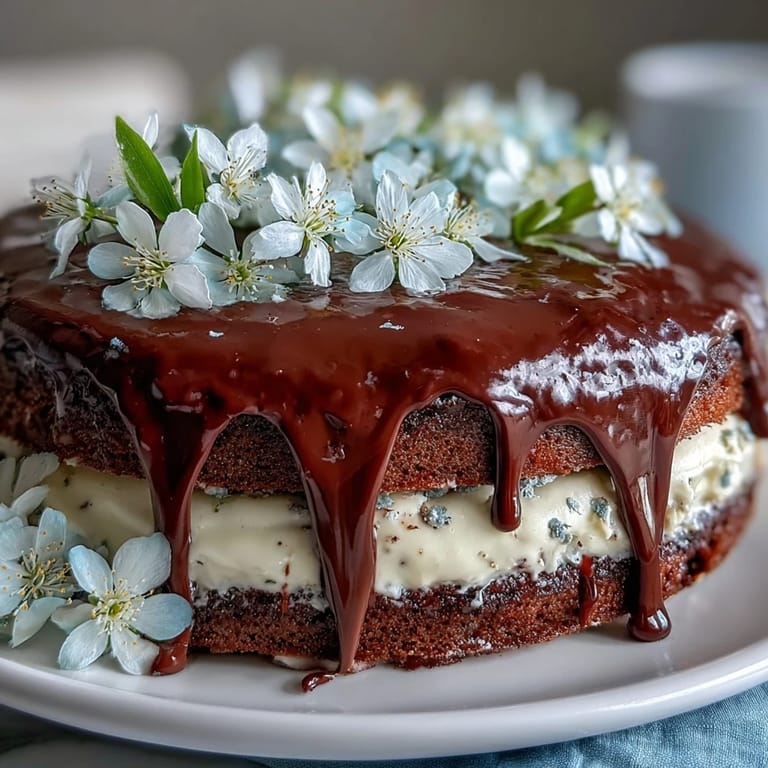
- Let the ganache cool until it's thick enough to hold its shape but still pourable—test with a spoon first. If it's too warm, it'll run off the cake; too cool, and it'll plop awkwardly.
- Finish with flowers and flourish:
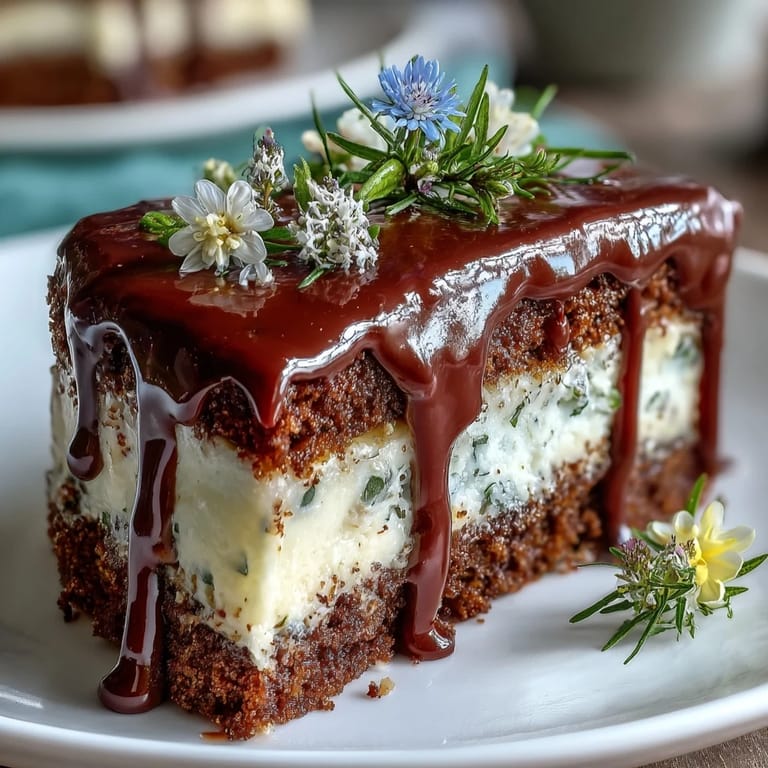
- Arrange edible flowers on top while the ganache is still slightly wet so they stick gently. This final step is where the cake becomes a centerpiece.
 Save
Save There's something almost ceremonial about placing that first edible flower on top of a cake you've built with your own hands. My nephew asked why this cake was different from other cakes, and I realized he was sensing the care, the precision, the intentionality in every layer and drip.
The Science of Spring Elegance
Baking three layers instead of one or two might seem excessive, but it's actually genius—the extra surface area means more room for frosting, and thinner layers bake more evenly and look more sophisticated when stacked. I learned this the hard way by attempting single-layer versions that looked sad and tasted dry by comparison. The geometry of a three-layer cake also creates structure that holds decorations better and slices cleanly.
Lemon as the Backbone
Lemon frosting walks a tightrope between bright and cloying, and it only works when you use actual lemon juice and zest, not extracts or oils that taste perfumy and false. I once tried a shortcut with lemon extract and immediately regretted it—the frosting tasted like artificial sweetness with a chemical finish. Fresh lemon means you can taste the citrus alongside the butter and sugar, creating something that feels alive rather than flat.
Edible Flowers and Food Safety
The flowers on top of this cake are the most visually stunning element, but they're also the element that requires real responsibility—florist roses and garden flowers are treated with pesticides that absolutely should not be eaten. I spent an afternoon researching trusted sources and learned that certain flowers like violets, pansies, and nasturtiums are genuinely safe when sourced from specialty suppliers who grow them specifically for consumption. The beauty isn't worth the risk if you're not certain, so never improvise here.
- Order edible flowers from online specialty retailers or farmers markets that explicitly label them as food-safe and pesticide-free.
- Check the flowers when they arrive and use them within a few days for the best appearance.
- Pat them gently dry before placing on the cake so they stick to the frosting without slipping.
 Save
Save This cake has become my answer when someone asks what I'd make for a moment that deserves to be remembered. It's the kind of dessert that transforms an ordinary afternoon into something that feels intentional and cherished.
Recipe Guide
- → How do I ensure the edible flowers are safe?
Choose pesticide-free flowers specifically labeled as edible, such as violets, pansies, or rose petals. Always consult reliable sources or vendors to confirm safety.
- → Can I make a gluten-free version?
Yes, substitute the all-purpose flour with a 1:1 gluten-free flour blend to maintain texture and structure while keeping it gluten-free.
- → What is the best way to create the white chocolate drip?
Heat heavy cream until just simmering, pour over white chocolate, let sit for 2 minutes, then stir until smooth. Cool until slightly thickened but pourable before dripping around the cake edges.
- → How should I store the cake to keep it fresh?
Refrigerate the cake for up to 3 days. Before serving, bring it to room temperature to enhance flavor and texture.
- → What pairing suggestions complement this cake?
Consider serving with a glass of sparkling wine or Earl Grey tea to balance the rich lemon and chocolate flavors elegantly.