 Save
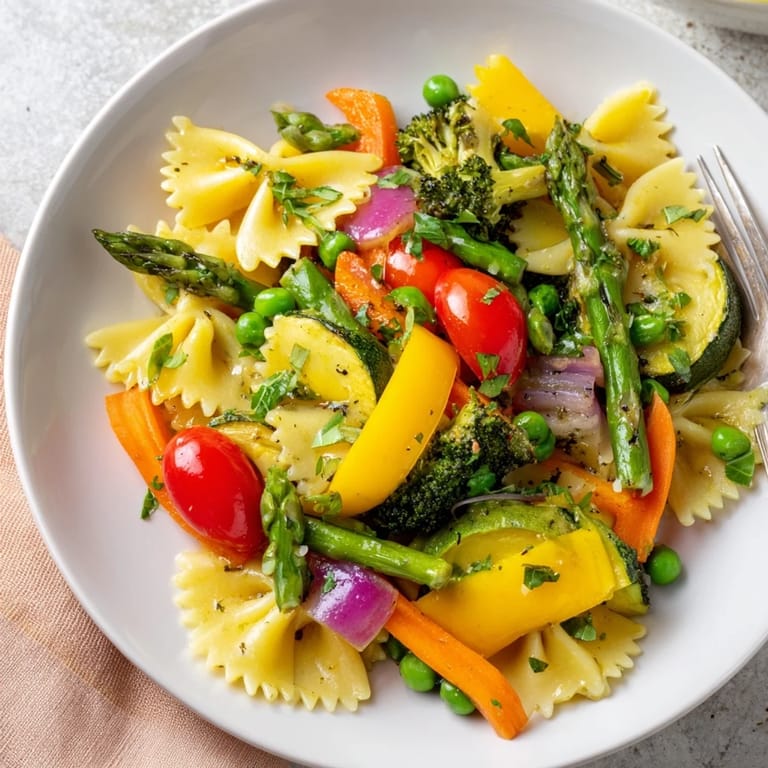
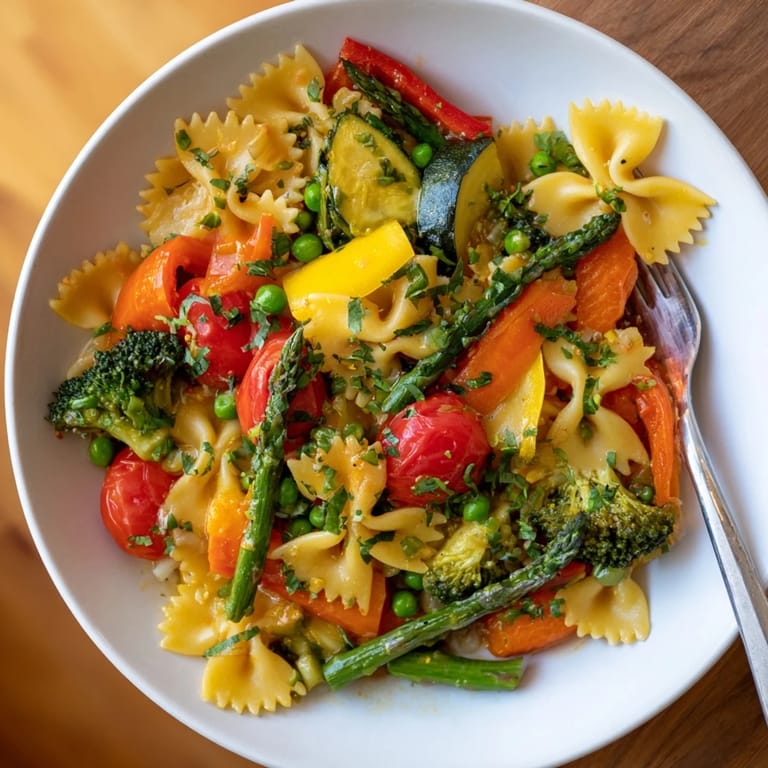
Save My kitchen counter looked like a farmers market exploded, and I loved every second of it. Eight different vegetables sat in little piles, each one a different color, waiting to be tossed into the skillet. I was making this pasta for a friend who claimed she didn't like vegetables, and I figured if I couldn't convince her with this rainbow on a plate, nothing would. The smell of garlic hitting warm olive oil filled the apartment, and I heard her call from the living room asking what smelled so good. That's when I knew I had her.
I started making this dish when I realized I needed something that felt indulgent but wouldn't leave me in a food coma on a Tuesday night. The first time, I overcooked the broccoli into sad little trees, but even then, the lemon and fresh herbs saved everything. Now I set a timer and keep the vegetables moving in the pan, listening for that sizzle that means they're caramelizing just enough. My partner always reaches for seconds, and I've caught him eating the leftovers cold straight from the fridge at midnight. That's how I know it's a keeper.
Ingredients
- Bow-tie pasta (340 g): The frilly edges catch the sauce and vegetables beautifully, and their cheerful shape makes the whole dish feel more playful than penne ever could.
- Cherry tomatoes (1 cup, halved): They burst into sweet little pockets of juice when they hit the heat, adding a pop of acidity that balances the richness of the olive oil.
- Asparagus (1 cup, 1-inch pieces): These tender spears scream spring, and cutting them into bite-sized pieces means they cook quickly and mix easily with every forkful.
- Red bell pepper (1 cup, thinly sliced): They add a subtle sweetness and a vibrant red that makes the whole dish look like a celebration.
- Yellow squash (1 cup, half-moons): Mild and tender, they soak up the garlic and lemon without fighting for attention.
- Broccoli florets (1 cup): I always pick the smallest florets I can find so they cook evenly and stay bright green instead of turning mushy.
- Carrots (1 cup, julienned): Thin matchsticks cook faster and add a satisfying crunch that reminds you this isn't some sad pile of overcooked vegetables.
- Red onion (1/2 cup, thinly sliced): They mellow out in the pan and add just enough sharpness to keep things interesting.
- Frozen peas (1/2 cup): I keep a bag in the freezer because they're sweet, convenient, and thaw in seconds when you toss them into the hot skillet.
- Extra-virgin olive oil (3 tbsp): This is your sauce base, so use the good stuff that you'd happily dip bread into.
- Garlic (3 cloves, minced): The foundation of the entire dish, it perfumes everything the moment it hits the oil.
- Crushed red pepper flakes (1/2 tsp, optional): Just a pinch adds warmth without making it spicy, but skip it if you're feeding picky eaters.
- Sea salt and black pepper: Season as you go, tasting and adjusting, because every vegetable needs a little help to shine.
- Lemon (zest and 2 tbsp juice): This is the magic ingredient that makes everything taste fresh and light instead of heavy and oily.
- Parmesan cheese (1/4 cup, optional): A salty, nutty finish that clings to the pasta and makes you want to lick the bowl.
- Fresh basil and parsley (2 tbsp each, chopped): Stirred in at the end, they add a burst of green flavor that tastes like summer.
Tired of Takeout? 🥡
Get 10 meals you can make faster than delivery arrives. Seriously.
One email. No spam. Unsubscribe anytime.
Instructions
- Boil the Pasta:
- Get a big pot of salted water rolling at a full boil, then drop in the bow-tie pasta and cook it until it's al dente with just a little bite left in the center. Before you drain it, scoop out half a cup of that starchy pasta water because it's liquid gold for bringing the sauce together later.
- Start the Garlic:
- While the pasta bubbles away, heat two tablespoons of olive oil in your largest skillet over medium heat until it shimmers. Toss in the minced garlic and red pepper flakes, stirring constantly for about a minute until the kitchen smells like an Italian grandmother's house.
- Cook the Sturdy Vegetables:
- Add the carrots, broccoli, and asparagus to the fragrant oil, stirring them around so they get coated and start to sizzle. Let them cook for three to four minutes, moving them occasionally, until they're starting to soften but still have some snap.
- Add the Tender Vegetables:
- Toss in the red onion, bell pepper, yellow squash, and a pinch of salt, then keep stirring for another three to four minutes. You want everything tender but still bright and colorful, not gray and sad.
- Finish with Tomatoes and Peas:
- Stir in the cherry tomatoes and frozen peas, letting them cook for just two minutes until the tomatoes start to soften and release their juices. The peas will thaw almost instantly in the heat.
- Toss with Pasta:
- Add the drained pasta to the skillet along with the remaining tablespoon of olive oil, lemon zest, and lemon juice, then toss everything together with tongs or a big spoon. If it looks dry, splash in some of that reserved pasta water a little at a time until you have a light, silky coating.
- Season and Garnish:
- Taste it and add more salt and black pepper if it needs it, then remove the skillet from the heat. Toss in the Parmesan, fresh basil, and parsley, stirring until the cheese melts slightly and the herbs are distributed throughout.
- Serve Immediately:
- Pile it into bowls while it's still steaming hot, and finish with extra herbs and cheese if you're feeling generous. This dish is at its best the moment it leaves the pan.
 Save
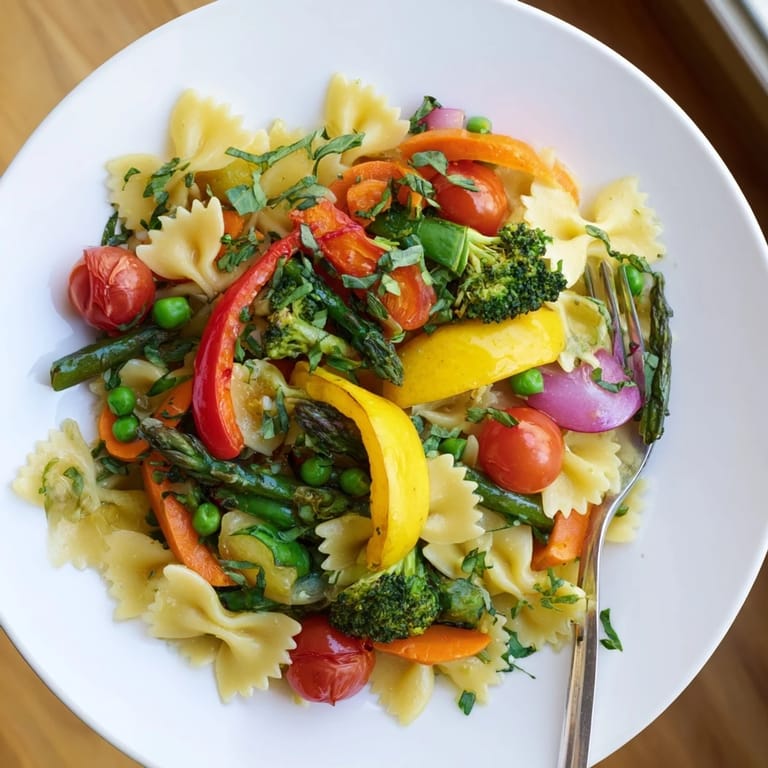
Save The night I served this to my vegetable-skeptic friend, she went quiet after the first bite and then asked for the recipe before she even finished her plate. We sat on the couch with our bowls, and she told me she'd never realized vegetables could taste this good, like they were the main event instead of an afterthought. She's made it three times since then, each time texting me a photo of her colorful skillet. That's the moment this stopped being just dinner and became the dish I make when I want to remind someone that healthy food doesn't have to be boring.
Choosing Your Vegetables
This recipe is more of a formula than a strict rulebook, and I've swapped vegetables based on what's in season or what's about to go bad in my fridge. Zucchini, snap peas, green beans, and even thinly sliced fennel have all made appearances in my version. The key is to balance sturdy vegetables that need a few extra minutes with tender ones that cook quickly, and to keep the colors varied so every bowl looks like a celebration. I've learned that frozen vegetables work in a pinch, especially peas, corn, and green beans, though fresh always tastes a little brighter.
Making It a Complete Meal
Sometimes I want this to be more filling, so I'll toss in grilled chicken thighs cut into strips or sauté some shrimp with the garlic before adding the vegetables. My vegetarian friends love it as is, but I've also stirred in white beans or chickpeas for extra protein and a creamier texture. A handful of toasted pine nuts or slivered almonds scattered on top adds a nutty crunch that makes it feel fancy enough for guests. If you want to make it vegan, just skip the Parmesan or use a cashew-based substitute, and it still tastes like sunshine on a plate.
Storing and Reheating
Leftovers keep in an airtight container in the fridge for up to three days, though the pasta absorbs some of the sauce and the vegetables soften a bit. I reheat it gently in a skillet with a splash of water or olive oil to loosen everything up, stirring constantly so it doesn't stick. Sometimes I'll squeeze a little extra lemon juice over the top to wake up the flavors. If you're meal prepping, you can cook the vegetables and pasta separately and combine them right before serving so everything stays at its best.
- Toss in a handful of arugula or spinach right before serving for extra greens that wilt into the warm pasta.
- A drizzle of good balsamic vinegar at the end adds a sweet, tangy depth that makes the whole dish sing.
- If you have leftover roasted vegetables from another meal, chop them up and fold them in because this recipe is forgiving like that.
 Save
Save This dish has become my go-to when I need something that feels like a hug but doesn't weigh me down. Every time I make it, I'm reminded that the best meals don't have to be complicated, they just have to be made with good ingredients and a little bit of love.
Recipe Guide
- → Can I prepare this dish ahead of time?
This pasta is best served immediately after preparation to maintain the vegetables' vibrant colors and crisp-tender texture. However, you can prep and chop all vegetables in advance, storing them separately in the refrigerator for up to 24 hours.
- → What vegetables work best as substitutes?
Use any fresh spring or summer vegetables you prefer: zucchini, snap peas, green beans, artichoke hearts, or mushrooms work wonderfully. Maintain a mix of colors and textures for visual appeal and varied flavors.
- → How do I keep the vegetables from becoming mushy?
Add vegetables in stages based on cooking time—harder vegetables like carrots and broccoli first, then softer ones like bell peppers and squash. Cook each batch just until tender-crisp, maintaining their natural firmness and vibrant color.
- → Can I make this vegan or dairy-free?
Yes. Simply omit the Parmesan cheese or substitute it with nutritional yeast or plant-based alternatives. The lemon-garlic olive oil sauce is naturally vegan and provides plenty of flavor without dairy.
- → What's the best way to add protein to this dish?
Grill or pan-sear chicken breasts or shrimp and toss them in during the final step. You can also add white beans, chickpeas, or crumbled tofu for vegetarian protein options.
- → Can I use dried herbs instead of fresh?
Fresh herbs provide the best flavor and appearance, but you can use dried alternatives at about one-third the quantity. Add dried herbs earlier in cooking to allow flavors to develop, rather than at the end.