 Save
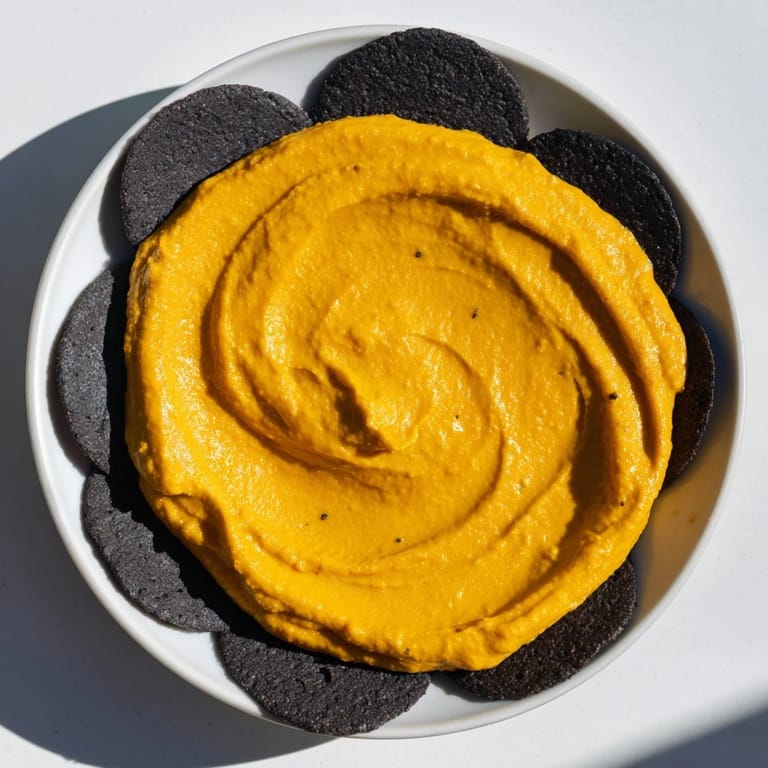
Save I first made this for a dinner party when someone mentioned wanting food that felt more art installation than appetizer. The idea of a midnight sun—all that darkness ringed around something luminous—stuck with me immediately. I spent the afternoon puzzling over how to make charcoal crackers that wouldn't taste like a science experiment, and somewhere between the second batch and a near-disaster with the dip consistency, it clicked. The visual contrast is what people remember, but it's the flavors that keep them reaching for more.
I made this for my partner's work thing once, and watching people's faces when they realized the black crackers were actually edible and not some minimalist joke was worth every minute of prep. Someone asked if I'd made it at a restaurant—which was both a compliment and slightly offensive, but I'll take it. That's when I knew this dish had crossed from concept into something genuinely craveable.
Ingredients
- All-purpose flour: The base that holds everything together; use whatever you have, but fresh flour makes a noticeably softer dough.
- Activated charcoal powder (food-grade): This is non-negotiable—kitchen-grade only, from the baking aisle, not the skincare section, or you'll regret it.
- Fine sea salt: Coarser salt can make the dough gritty; fine salt dissolves evenly and seasoning stays balanced.
- Olive oil: Use something middle-of-the-road here, not your precious first-press; it's just binding, not shining.
- Water: Cold water helps the dough stay workable; warm water makes it sticky and frustrating.
- Large carrots, peeled and chopped: Bigger carrots tend to be sweeter and roast more evenly than thin ones.
- Ground turmeric: The star flavor of the dip; it brings both earthiness and that golden sunset color people notice immediately.
- Smoked paprika: Just enough to hint at depth without overwhelming the carrot's natural sweetness.
- Ground cumin: Adds a warm spice note that echoes through every bite and makes the dip feel intentional.
- Greek yogurt: Thick and tangy, it keeps the dip from becoming a soup; plant-based versions work fine if you let them drain slightly first.
- Lemon juice: Brightness is everything; don't skip it, and use fresh lemon, not the bottled stuff.
- Tahini: Creates silkiness and a subtle nutty undertone; it's the secret to why the dip feels creamy without being heavy.
- Garlic clove: One small clove, minced fine—this dip doesn't need to announce garlic, just hint at it.
- Honey or maple syrup: A tiny amount balances the earthiness of turmeric; optional but makes a real difference.
Tired of Takeout? 🥡
Get 10 meals you can make faster than delivery arrives. Seriously.
One email. No spam. Unsubscribe anytime.
Instructions
- Heat your oven and prep the carrots:
- Set the oven to 400°F and while it reaches temperature, peel and chop your carrots into rough pieces about the same size so they roast evenly. Toss them with olive oil, salt, turmeric, smoked paprika, and cumin until every piece has a light coating of spice.
- Roast until they're almost melting:
- Spread the carrots on a baking sheet and roast for 25 to 30 minutes, stirring halfway through, until they're so tender they're starting to caramelize at the edges. You want them almost falling apart—overcooked is actually your friend here.
- Build the cracker dough while carrots cook:
- In a bowl, whisk together flour, activated charcoal powder, and fine sea salt until the black is completely evenly distributed and there are no flour pockets hiding anywhere. Add olive oil and cold water, stirring until everything comes together into a shaggy dough.
- Knead it smooth:
- Knead the dough in the bowl for about a minute until it's smooth and cohesive; you're not making bread, so don't overwork it. It should feel like soft clay, not sticky.
- Roll thin and cut:
- Place the dough between two sheets of parchment paper and roll it as thin as you can manage—almost to where you can see light through it. Remove the top sheet, cut into shapes (rectangles, diamonds, rounds all work), and leave them on the parchment as you transfer to a baking sheet.
- Bake the crackers until they shatter:
- Bake for 10 to 12 minutes until they're completely crisp and snap when you bend them; they should feel delicate and shatter slightly when bitten. Cool completely on the sheet before moving them, or they'll still be pliable and won't stay crisp.
- Blend the dip until it's glossy silk:
- In a food processor, combine the cooled roasted carrots, Greek yogurt, lemon juice, tahini, minced garlic, honey if using, and black pepper. Blend until completely smooth and glossy, scraping down the sides if needed. Taste and adjust seasoning—add more salt, lemon, or cumin to taste.
- Arrange for maximum visual impact:
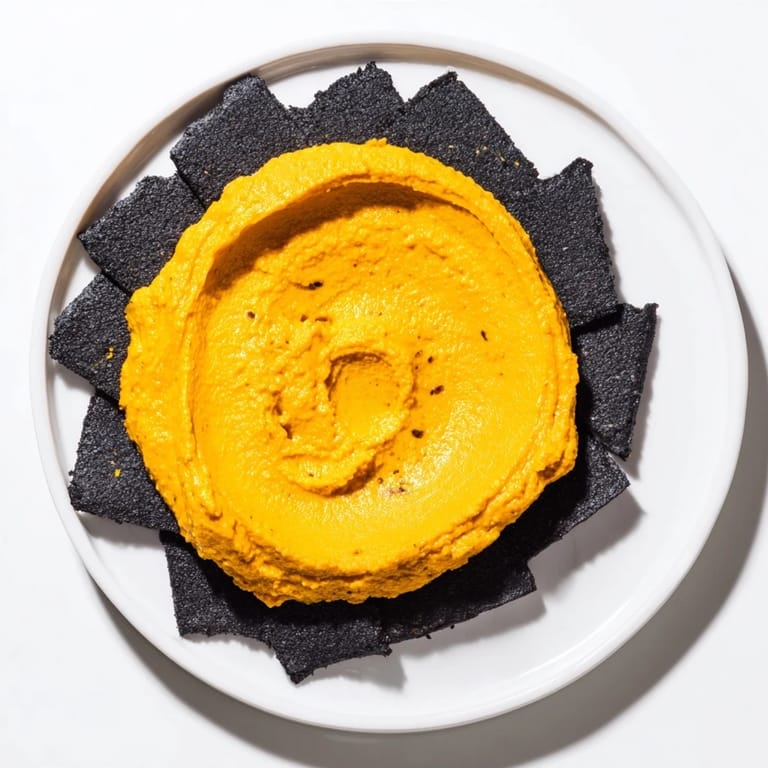
- Spoon the bright golden dip into the center of a round board or shallow bowl, then use the back of the spoon to create a thick, slightly textured yolk-like circle. Arrange the jet-black crackers in a ring around the dip, standing them at angles so they frame the brightness.
 Save
Save I served this once to someone who'd been having a rough week, and watching their expression shift from hungry to genuinely delighted was the moment I realized this dish does something beyond looking good. It's comfort and sophistication in one bite, which somehow feels like a small kind of magic.
Why the Contrast Works
The midnight sun concept isn't just visual theater—it's about flavor balance. The charcoal gives you a slight earthiness and a textural anchor, while the roasted carrot dip has this almost candy-like sweetness from long, slow roasting. Turmeric and cumin tie them together, and suddenly you're not thinking about the colors anymore, you're thinking about how right everything tastes together. The lemon juice keeps it all bright instead of heavy, and the tahini adds a whisper of sophistication without announcing itself.
Making This Your Own
The beauty of this recipe is how forgiving it is to personalization. If you want heat, dust the dip with cayenne or add a pinch of red pepper flakes. If you're serving it somewhere windy or outside, make the dip thicker so it doesn't dry out. Some people add a tiny drizzle of pomegranate molasses to the dip for complexity, and honestly, it works beautifully. The crackers can be cut into any shape you want—I've made stars, used a fluted cutter, even just broken them into shards for a more dramatic, modern look.
Timing and Planning
The nice thing about this recipe is that most of it can be done ahead without stress. Make the crackers up to a full day in advance and store them in an airtight container—they'll stay crisp as long as there's no moisture in the container. The dip can be made several hours ahead and refrigerated; it actually tastes better the next day as the flavors meld. When you're ready to serve, just bring the dip to room temperature so it's soft enough to scoop, arrange it with the crackers, and you look like a genius without any last-minute scrambling.
- If the dip seems too thick when you pull it from the fridge, thin it with a little lemon juice or water, stirring gently.
- Stack the dip plates first so people can grab them easily, and arrange the cracker ring just before serving so they stay crisp.
- This appetizer pairs beautifully with crisp white wine or even a light sparkling option if you're going fancy.
 Save
Save This dish lives in that sweet spot where technique meets theater, and honestly, that's where cooking gets fun. Make it, serve it, and watch people's faces change.
Recipe Guide
- → What gives the crackers their jet-black color?
Activated charcoal powder is mixed into the dough, providing a deep black hue without altering flavor significantly.
- → Can I make the dip vegan-friendly?
Yes, substitute Greek yogurt with a plant-based alternative and replace honey with maple syrup for a vegan version.
- → How do I achieve the perfect cracker crispiness?
Roll the dough very thinly and bake until just crisp, usually 10–12 minutes at 400°F (200°C), then cool completely.
- → What spices are used in the roasted carrot dip?
Turmeric, smoked paprika, cumin, and a pinch of black pepper are combined with lemon, tahini, and garlic for a layered flavor.
- → Can I prepare components ahead of time?
The crackers can be made a day ahead and stored airtight. The dip can be prepared in advance and refrigerated.
- → Are there allergen considerations for this dish?
This includes gluten from flour, dairy from yogurt, and sesame from tahini. Alternatives can be used for dietary needs.