 Save
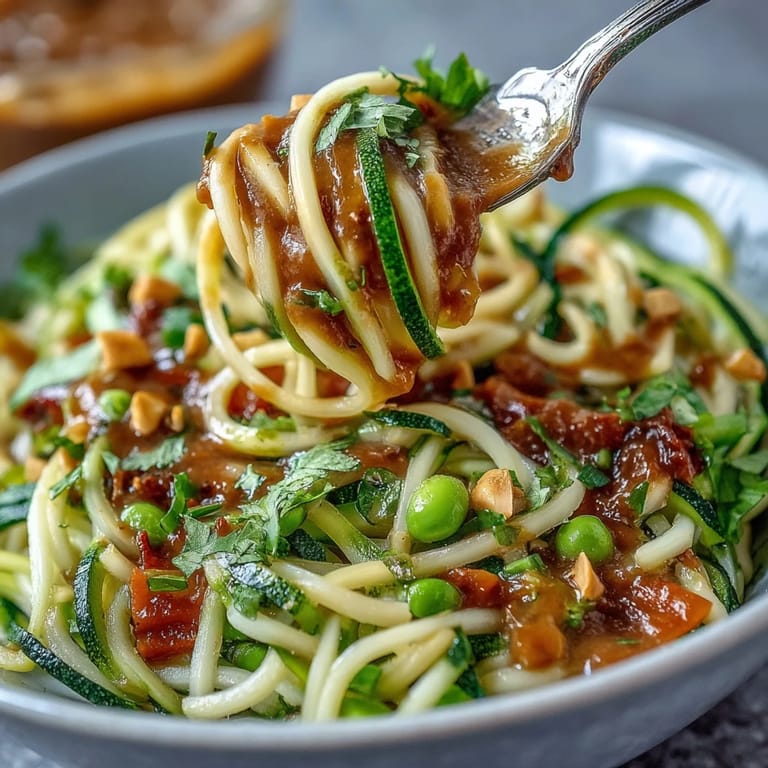
Save Last Tuesday I was standing in my kitchen at 6 PM with a wilting bunch of zucchini and absolutely no energy to think about dinner. My roommate was arriving in twenty minutes, hungry and skeptical about anything vegetable-forward. I spiralized those zucchinis on impulse, whisked together what I had in the pantry, and five minutes later we were eating something so vibrant and satisfying that she asked for the recipe before finishing her bowl. That's when I realized this stir-fry wasn't just a quick fix—it was genuinely delicious.
I made this for my sister when she was going through a phase of trying to eat more vegetables, and she surprised herself by asking me to teach her how to spiralize. Now she texts me photos of her versions with different proteins and variations, and it's become our thing—a recipe we bond over because it's easy enough for anyone to master but fancy enough to feel like you're doing something special in the kitchen.
Ingredients
- Zucchini, spiralized: The star of the show—choose medium zucchinis that feel firm when you squeeze them gently, as oversized ones tend to be watery and seedy inside.
- Red bell pepper: Sweet and colorful, it brings a slight caramel note when heated just right; slice it thin so it cooks through in the brief cooking time.
- Carrot: Julienne or spiralize it to match the zucchini noodles so every bite has a mix of textures and colors.
- Snap peas: They stay crisp if you don't overcook them, which is the whole magic of this dish—vegetables that feel fresh, not mushy.
- Green onions: These add a sharp, bright bite at the very end that ties everything together without any extra effort.
- Natural peanut butter: Use the kind with just peanuts and maybe salt—the emulsifiers in commercial peanut butter make the sauce break when you add liquid, and nobody wants a greasy puddle.
- Low-sodium soy sauce or tamari: If you're gluten-free, tamari is your friend; if not, regular soy sauce works beautifully and costs less.
- Rice vinegar: This is gentler and slightly sweet compared to other vinegars, so it won't overpower the sauce with harsh acidity.
- Lime juice: Fresh lime is non-negotiable here—the bottled stuff tastes tinny and flat, and you'll notice the difference immediately.
- Maple syrup or honey: Just a touch to balance the savory and acid components; this is what makes the sauce taste like more than the sum of its parts.
- Toasted sesame oil: A little goes a long way, and it has a nutty aroma that makes people wonder what you did to make something taste so restaurant-quality.
- Garlic and ginger: Mince these finely so they distribute evenly and don't create little pockets of intense flavor that surprise you mid-bite.
- Roasted peanuts: A handful scattered on top adds a satisfying crunch and reminds you that this is comfort food, even if it happens to be healthy.
Tired of Takeout? 🥡
Get 10 meals you can make faster than delivery arrives. Seriously.
One email. No spam. Unsubscribe anytime.
Instructions
- Set up your mise en place:
- Spiralize your zucchini and carrot into a large bowl and set aside—don't dress them yet or they'll start releasing water and becoming limp. Slice everything else and arrange it on your cutting board like you're about to perform, because honestly, once the pan is hot, things move fast.
- Build your peanut sauce:
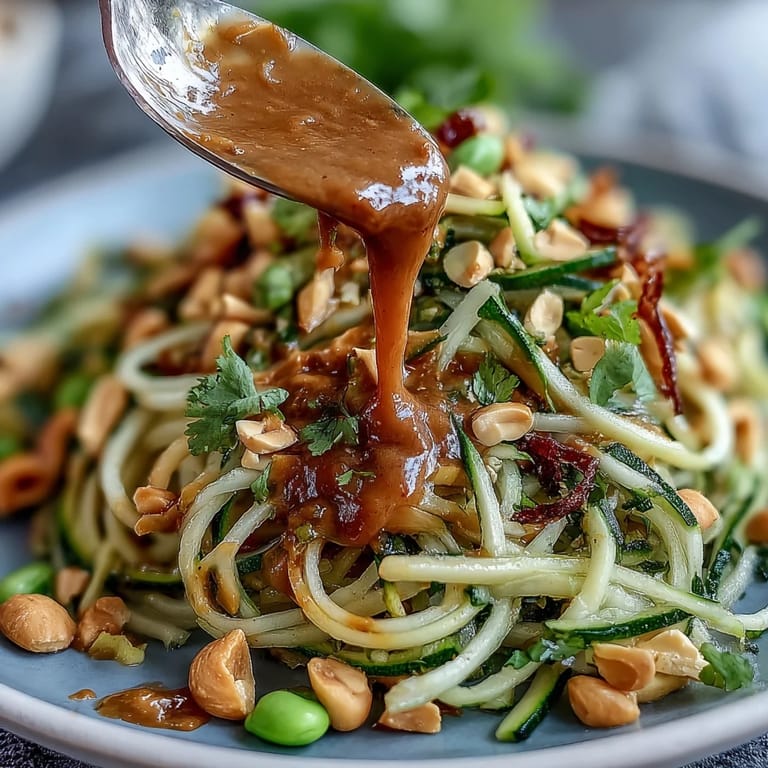
- In a mixing bowl, combine the peanut butter, soy sauce, rice vinegar, lime juice, maple syrup, sesame oil, garlic, and ginger. Whisk it together slowly, then add warm water one tablespoon at a time until it's smooth and pourable—you want it to coat the noodles, not puddle at the bottom of the pan. Taste it and adjust the flavors; if it's too strong, add a splash more water, if it's too mild, squeeze more lime.
- Heat your pan with intention:
- Get a large nonstick skillet or wok screaming hot over medium-high heat—when a drop of water hits it, it should dance and evaporate in a second. A light drizzle of sesame oil is optional but adds depth, and the butter-like nutty smell that rises from the pan is a good sign you're about to make something delicious.
- Cook the hardy vegetables first:
- Toss in the bell pepper, carrot, and snap peas and stir-fry for 2 to 3 minutes, keeping them moving in the pan so they soften just enough but keep their snap. You'll know they're ready when the bell pepper looks glossy and the carrot turns a shade brighter orange.
- Add the zucchini noodles gently:
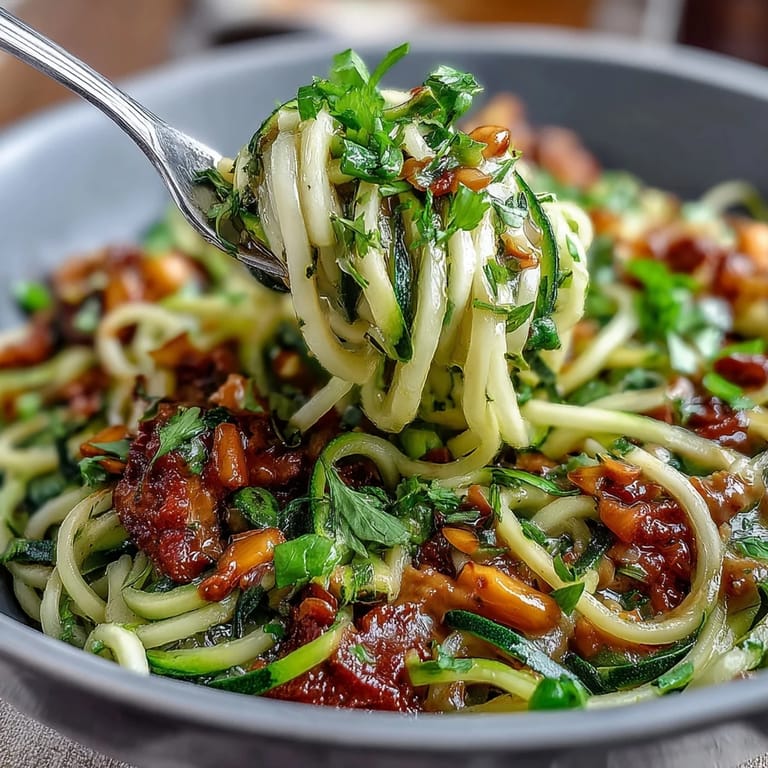
- Pour in your spiralized zucchini and toss gently for 2 to 3 minutes—this is not the time to be aggressive with your spatula or you'll mash the delicate noodles into mush. They should just warm through; they'll continue cooking slightly from residual heat after you take the pan off the stove.
- Bring it all together with sauce:
- Pour the peanut sauce over everything and toss for another minute or two until every strand is coated and the pan smells absolutely incredible. The heat from the vegetables will thin the sauce slightly and help it cling to the noodles.
- Plate and garnish immediately:
- Transfer to bowls right away and scatter the chopped peanuts, fresh cilantro, and sliced green onions on top while the whole thing is still steaming. Serve it now—this is not a dish that improves with sitting.
 Save
Save There was a moment while cooking this for my sister when she wandered into the kitchen and the smell of that sesame oil and garlic hit her, and she said, 'That smells like takeout.' That's when I knew this recipe had crossed from 'healthy dinner idea' into the category of things you make because they're genuinely good, not because you think you should eat vegetables. Food shouldn't feel like a compromise.
Making This Your Own
The beauty of this stir-fry is that it's a canvas waiting for your own touches. I've made it with grilled chicken breast sliced thin, with crispy tofu I pan-fried until golden, and once with shrimp that I tossed in for the last two minutes and let cook through in the residual heat. The vegetables stay the supporting cast, but you can absolutely make them the whole story if that's what you're craving.
Sauce Variations and Substitutions
Not everyone loves peanut sauce, and that's okay—I've swapped in almond butter for a slightly less intense flavor, and cashew butter for something creamier and more delicate. If you're avoiding peanuts altogether, sunflower seed butter works surprisingly well and gives the sauce an earthier note. For a soy-free version, coconut aminos tastes very similar and carries that umami punch you're looking for, though it's a bit pricier and worth it only if you're cooking for someone with restrictions.
Storage and Timing
This is absolutely a dish that demands to be eaten fresh—zucchini noodles are delicate and start weeping water after about twenty minutes, which turns the whole thing into a sad bowl of softness. If you're meal-prepping, keep the components separate and assemble everything in the pan just before eating. The sauce keeps beautifully in the fridge for up to four days, and the vegetables will hold for two days in an airtight container, so you can actually build this meal in minutes even on a busy evening.
- Make extra sauce and use it as a dip for fresh vegetables or drizzle it over grilled chicken the next day.
- Spiralize your zucchini no more than a few hours ahead, and store it in a colander so any excess water can drain.
- If you're cooking for a crowd, prep all your vegetables in advance and do the actual cooking just before serving to keep everything crisp and fresh.
 Save
Save This stir-fry has become my default answer when someone asks what to make for dinner when you want to feel healthy but not deprived. It's fast enough for a weeknight, elegant enough for company, and proof that eating well doesn't mean eating boring.
Recipe Guide
- → How do I prevent zucchini noodles from becoming soggy?
Cook the zucchini noodles briefly, just until heated through, to avoid releasing too much water and becoming mushy.
- → Can I substitute peanut butter in the sauce?
Yes, almond or cashew butter work well for a different nut flavor or to avoid peanuts.
- → What are good protein additions for this dish?
Grilled tofu, chicken, or shrimp can be added to boost protein content and complement the flavors.
- → Is this dish gluten-free?
Use tamari instead of soy sauce to keep it gluten-free without compromising taste.
- → How spicy is the stir-fry?
The crushed red pepper flakes add optional mild heat, adjustable according to preference.