 Save
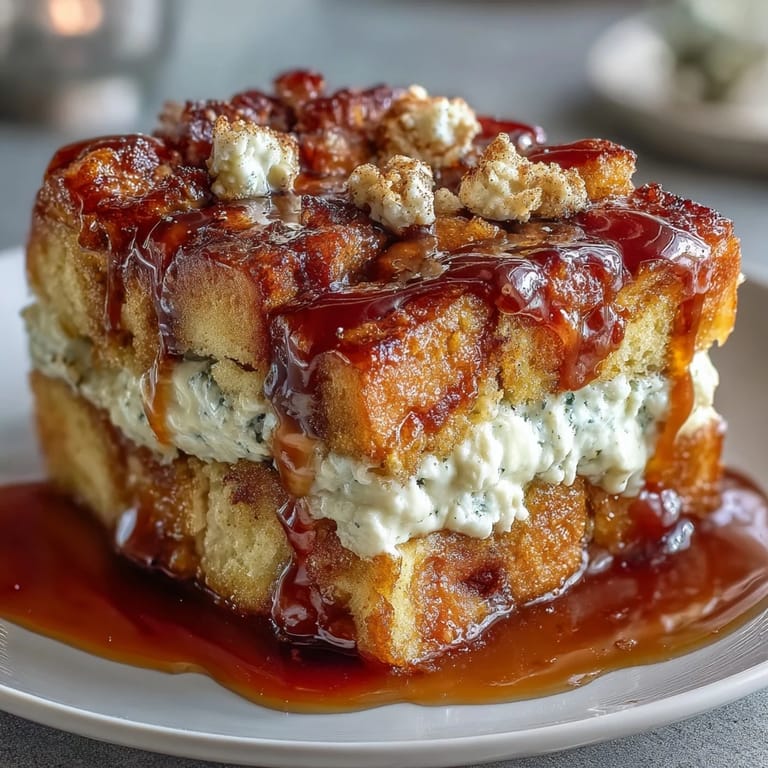
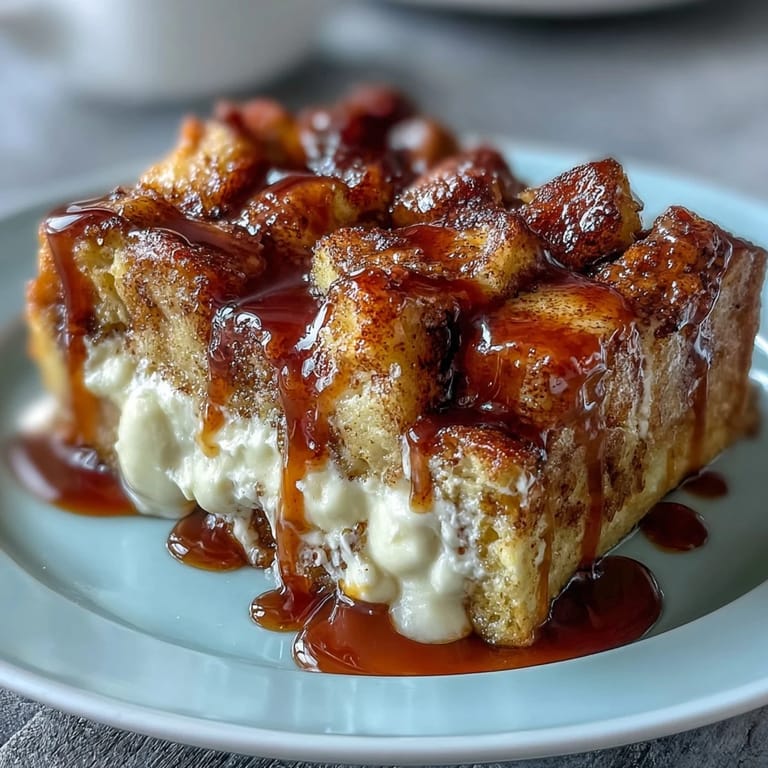
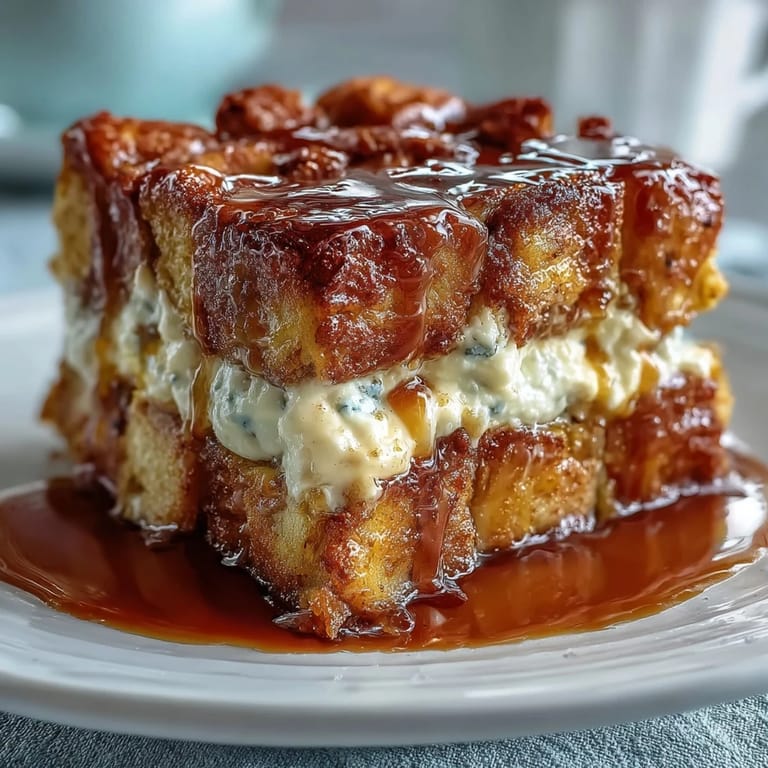
Save My sister called me the night before her birthday brunch, panicked because her usual French toast plan felt too rushed for a house full of hungry guests. I remembered making an overnight casserole version years ago and texted her the concept, but what I really wanted to tell her was how this dish transforms from scattered morning chaos into something genuinely elegant with almost no stress. The caramel pooling beneath layers of custardy brioche feels intentional and indulgent, like you planned something fancy when really you just assembled it the night before and walked away. It became her signature move by the next morning, and now everyone expects it.
I made this for a half-asleep group of friends after a late night out, and watching their faces when they bit through that caramel-soaked brioche layer while barely awake reminded me why comfort food matters so much. Nobody jumped straight into conversation—they just sat there eating slowly, genuinely present in a way that rarely happens. That's when I understood this casserole isn't really about feeding people; it's about giving them a quiet moment before the day starts demanding things.
Ingredients
- Brioche or challah bread, cut into 1-inch cubes (1 loaf, about 500 g): These buttery breads have enough structure to hold custard without falling apart, unlike sandwich bread which turns to mush, and the richness matches the caramel without competing.
- Cream cheese, softened (225 g or 8 oz): Dropping dollops rather than spreading creates pockets of tangy richness that interrupt the sweetness and keep the casserole from becoming cloying.
- Eggs (6 large): The custard backbone that holds everything together, so use fresh eggs and whisk thoroughly to avoid scrambled bits.
- Whole milk (360 ml or 1½ cups): Provides the liquid body without the heaviness that cream would create; this ratio keeps it tender rather than dense.
- Heavy cream (120 ml or ½ cup): Adds richness to the custard itself, distinct from the caramel sauce, making each bite feel luxurious.
- Granulated sugar (120 g or ½ cup): Sweetens the custard layer while letting the caramel remain the dominant sugar element.
- Pure vanilla extract (2 tsp): A little extra matters here because the flavors are bold; cheap extract tastes thin against the caramel.
- Ground cinnamon (½ tsp): A whisper rather than a shout; just enough to suggest warmth without overwhelming.
- Salt (pinch): Sharpens all the sweetness and prevents the casserole from tasting one-dimensional.
- Light brown sugar, packed (200 g or 1 cup): For the caramel sauce, brown sugar gives a deeper molasses flavor than white sugar would.
- Unsalted butter (120 g or ½ cup): Part of the caramel foundation; unsalted lets you control the saltiness overall.
- Heavy cream (60 ml or ¼ cup): Stirred into hot caramel to stop the cooking and add silky texture.
- Granulated sugar and ground cinnamon for topping (2 tbsp sugar, 1 tsp cinnamon): A finishing touch that adds texture and visual appeal as it bakes.
Tired of Takeout? 🥡
Get 10 meals you can make faster than delivery arrives. Seriously.
One email. No spam. Unsubscribe anytime.
Instructions
- Start with the caramel:
- Melt brown sugar and butter in a saucepan over medium heat, stirring constantly until it stops being grainy and turns smooth and bubbling (about 2–3 minutes). The smell alone is worth making this dish—almost butterscotch-like. Pull it off the heat and stir in heavy cream, watching how it transforms from thick syrup into something glossy, then pour it immediately into your greased baking dish.
- Layer the bread foundation:
- Spread half your bread cubes evenly over that caramel layer, pressing gently so they nestle in and start absorbing that flavor right away. Don't pack them too tightly or the custard won't flow through properly.
- Dot with cream cheese:
- Drop spoonfuls of softened cream cheese over this bread layer, spreading them gently but intentionally leaving some dollops intact. These pockets will create little bursts of tanginess as people eat, breaking up the sweetness in the best way.
- Add the final bread layer:
- Top with remaining bread cubes, filling in gaps so you have an even surface for the custard to coat. This is your architecture—make sure it's balanced.
- Pour the custard:
- Whisk eggs, milk, heavy cream, sugar, vanilla, cinnamon, and salt until the mixture is completely smooth with no egg streaks visible. Pour it evenly over everything, then press gently with your hands or a spatula to help the bread absorb it immediately.
- Chill overnight:
- Cover tightly with plastic wrap and refrigerate overnight or at least 6 hours—this is when the magic happens, as the bread drinks up all that custardy richness and the flavors marry. Don't skip this step; it's not optional.
- Bring to room temperature:
- Remove the casserole from the refrigerator 20–30 minutes before baking and let it sit on the counter while you preheat the oven to 175°C (350°F). This ensures even baking from the center outward.
- Add the cinnamon sugar topping:
- Mix the 2 tablespoons of granulated sugar with 1 teaspoon of cinnamon and sprinkle it evenly across the top. This creates a subtle crunch and hints at what's happening underneath.
- Bake to golden perfection:
- Bake uncovered for 40–45 minutes until the top is puffed and golden and the center is set but still has a tiny wobble when you gently shake the dish. If it's browning too fast, tent loosely with foil for the last 10 minutes.
- Rest and serve:
- Let it cool for 10 minutes so the caramel firms up slightly and everything sets. Serve warm, ideally with extra caramel drizzled on top or fresh berries if you want brightness against all that richness.
 Save
Save  Save
Save Someone once told me that breakfast food is the only meal where it's acceptable to eat something that tastes like dessert without anyone judging you, and I think about that whenever I'm plating this. There's honesty in a dish that doesn't pretend to be health food or fussy—it's just openly, unapologetically good.
Why Overnight Chilling Changes Everything
The first time I skipped the overnight step and baked it after just two hours, I ended up with a casserole that separated—watery custard on top, dense bread below, and the caramel not properly incorporated. The second time, I followed the instructions and the texture became unified and creamy throughout, almost like bread pudding's more elegant cousin. Time isn't a luxury here; it's the actual technique.
Customizing Without Losing the Plot
I've added chopped pecans between the layers, stirred them into the caramel sauce, and scattered them on top—all worked, but I learned that toasting them first makes the difference between adding texture and adding something that tastes faintly stale. Fresh fruit on the side works beautifully because it cuts through all the richness with brightness, though some mornings I'll drizzle everything with more caramel because restraint is optional. The recipe holds together with these variations because the foundation is solid; you're not fighting against the structure.
Timing and Temperature Wisdom
This casserole teaches you something about how heat moves through food—the bottom bakes much faster than the center because that caramel layer conducts heat intensely. Letting it sit at room temperature before baking solves this, as does tenting with foil if the top browns too quickly.
- If your oven runs hot, start checking at 35 minutes rather than waiting the full 45.
- The center should jiggle slightly when you shake it gently; it continues cooking as it cools and firms up perfectly.
- Always set a timer because that window between perfect and overdone is maybe five minutes, and nobody wants a casserole that's dry.
 Save
Save 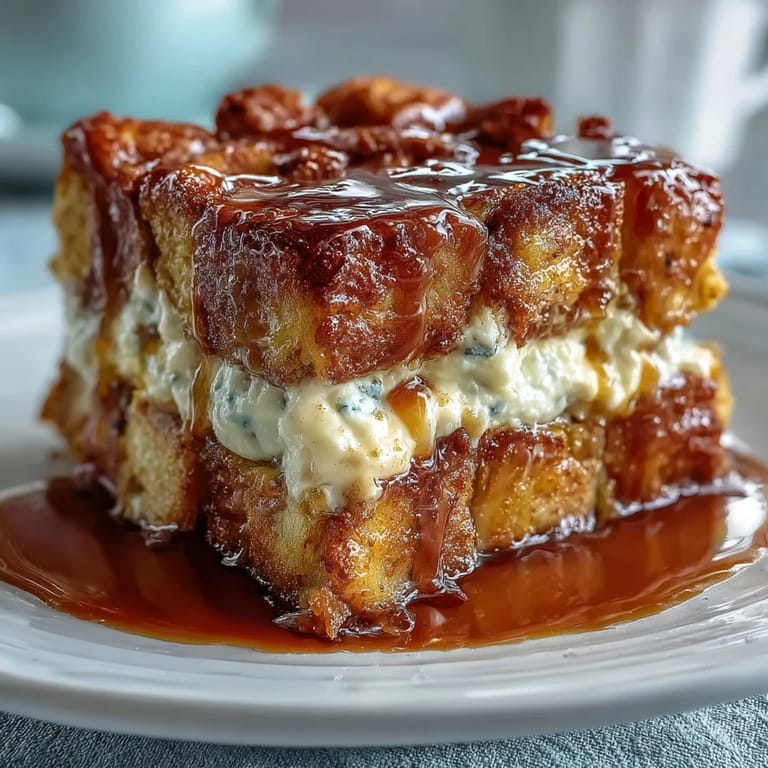 Save
Save This casserole became my answer to the question of how to feed people something that tastes indulgent without requiring you to stand at the stove while guests arrive. Make it the night before and you're just as much a guest at your own brunch.
Recipe Guide
- → Can I use regular sandwich bread instead of brioche?
While brioche or challah provides the richest, buttery result, you can substitute day-old French bread, sourdough, or thick-cut Texas toast. The texture will be slightly less tender but still delicious.
- → How long should I refrigerate the casserole before baking?
For best results, refrigerate overnight (8-12 hours) to allow the bread to fully absorb the custard. Minimum chilling time is 6 hours, but the longer rest creates a creamier, more cohesive texture.
- → Can I freeze this assembled but unbaked?
Yes, assemble the casserole, wrap tightly with plastic and foil, and freeze for up to 2 months. Thaw overnight in the refrigerator before baking as directed.
- → Why did my casserole turn out soggy in the middle?
This usually means the bread wasn't stale enough or the custard ratio was too high. Using day-old bread and not pressing down too firmly when assembling helps maintain structure. Also ensure it bakes until fully set in the center.
- → Can I prepare the caramel sauce ahead of time?
Absolutely! Make the caramel sauce up to 1 week in advance and store in an airtight container in the refrigerator. Gently reheat before pouring into the baking dish.
- → What toppings work well with this casserole?
Fresh berries, whipped cream, maple syrup, or powdered sugar complement the rich flavors beautifully. For extra crunch, sprinkle chopped pecans or walnuts over the top during the last 10 minutes of baking.